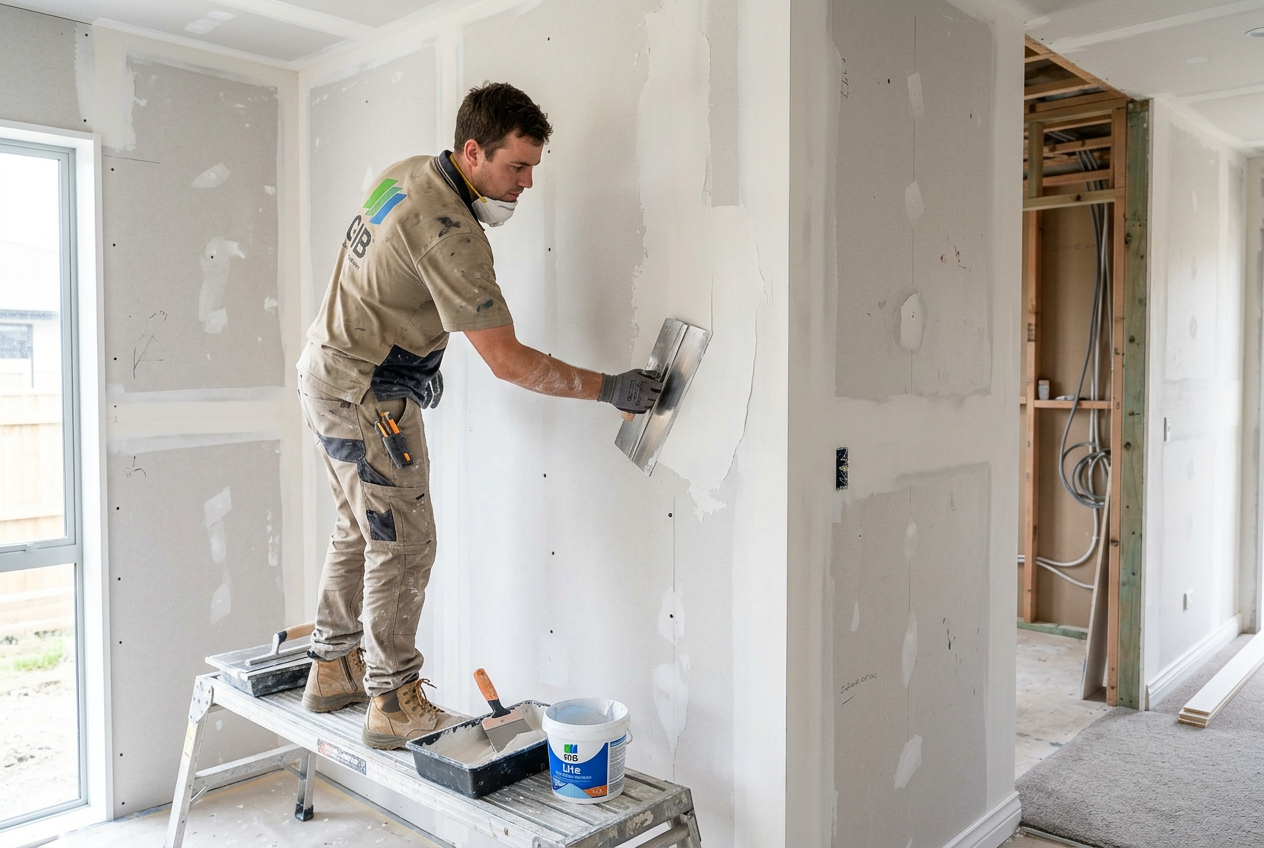
In most New Zealand renovation and building projects, coordinating between your plasterer and painter is your responsibility — unless you've engaged a main contractor or project manager to run the job. Understanding how these two trades interact will save you time, money, and a lot of frustration.
How the Plasterer–Painter Relationship Works
Plastering and painting are closely linked trades that must happen in the right order. Your plasterer finishes their work first, and your painter can only start once the plaster has fully cured. If the painter starts too early, moisture trapped beneath the paint can cause bubbling, peeling, and adhesion failures — problems that are expensive to fix.
In a typical NZ residential project, the two tradespeople rarely speak to each other directly. They each have their own schedules, other jobs on the go, and no formal obligation to liaise unless you set that expectation from the start.
Who Is Responsible for Coordination?
If you're the homeowner managing the project yourself
You are the de facto project manager. That means:
- Booking each trade in the right sequence
- Communicating timelines and access arrangements
- Allowing adequate drying and curing time between trades
- Chasing up if one trade runs late and adjusting the next booking accordingly
If you have a main contractor or licensed building practitioner (LBP)
A main contractor takes on the coordination role. They schedule subcontractors, manage sequencing, and are accountable for the finished result. If you're doing significant building work, check whether your contractor holds an LBP licence — this is important for restricted building work under the NZ Building Code.
If you're using a design-and-build firm
Coordination is typically included in their service. Confirm this in writing before signing any contract.
The Critical Step: Drying and Curing Time
This is where most homeowner-managed projects go wrong. Plaster must be fully dry before painting begins. The required drying time depends on:
- The type of plaster used (e.g. GIB stopping compounds, solid plaster, texture coatings)
- Thickness of the application
- Ambient temperature and humidity — NZ's damp winters and coastal climates can significantly extend drying times
- Ventilation in the space
As a general guide, freshly stopped GIB board may need anywhere from 24 hours to several days before painting, while solid plaster or render can take considerably longer — sometimes weeks. Always ask your plasterer to give you a written sign-off or verbal confirmation that the surface is ready for paint. Your painter should also inspect the surface before starting.
BRANZ provides research and guidance on building materials and finishing systems that both trades should be familiar with.
Practical Tips for Smooth Coordination
- Book both trades early. Good plasterers and painters in NZ are often booked weeks or months in advance, especially in Auckland, Wellington, and Christchurch.
- Build buffer time into your schedule. Allow extra days between the plasterer finishing and the painter starting — weather delays happen.
- Introduce the trades to each other. A quick group text or email with both tradespeople's contact details means they can sort minor queries directly.
- Confirm access arrangements. Who has a key? What hours can each trade work? Are there pets or children to consider?
- Get everything in writing. Quotes, start dates, and scope of work should all be documented.
What Each Trade Expects From the Other
| Trade | What they need from the other |
|---|---|
| Painter | Plaster fully cured, surface sanded smooth, no cracks or hollows |
| Plasterer | Clear access to walls/ceilings, no painter's drop sheets or equipment in the way |
Your painter may also apply a sealer or primer coat over new plaster before the topcoats go on. Brands like Resene, Dulux, and Wattyl all produce primers specifically designed for new plaster — make sure your painter is using the right product for the substrate.
What Happens If Coordination Goes Wrong?
Poor sequencing can lead to:
- Paint peeling or bubbling due to moisture in uncured plaster
- Cracks appearing through paint if plaster wasn't allowed to settle
- Delays and call-out fees if a painter arrives to find the plaster isn't ready
- Disputes over who is responsible for remedial work
If a dispute arises over defective work, Consumer NZ has useful guidance on your rights under the Consumer Guarantees Act.
When to Call a Professional Project Manager
If your renovation involves multiple trades, a tight timeline, or you simply don't have the time to manage the sequencing yourself, consider engaging a licensed building practitioner or a professional project manager. This is especially worthwhile for:
- Full house renovations
- New builds or major additions requiring building consent (check requirements with your local council and MBIE Building Performance)
- Commercial or rental property upgrades under Healthy Homes standards
You can find qualified local plasterers and painters on tradedirectory.co.nz — look for tradespeople with good reviews and ask upfront whether they're comfortable liaising directly with other trades on your project.

 Master Painters NZ member