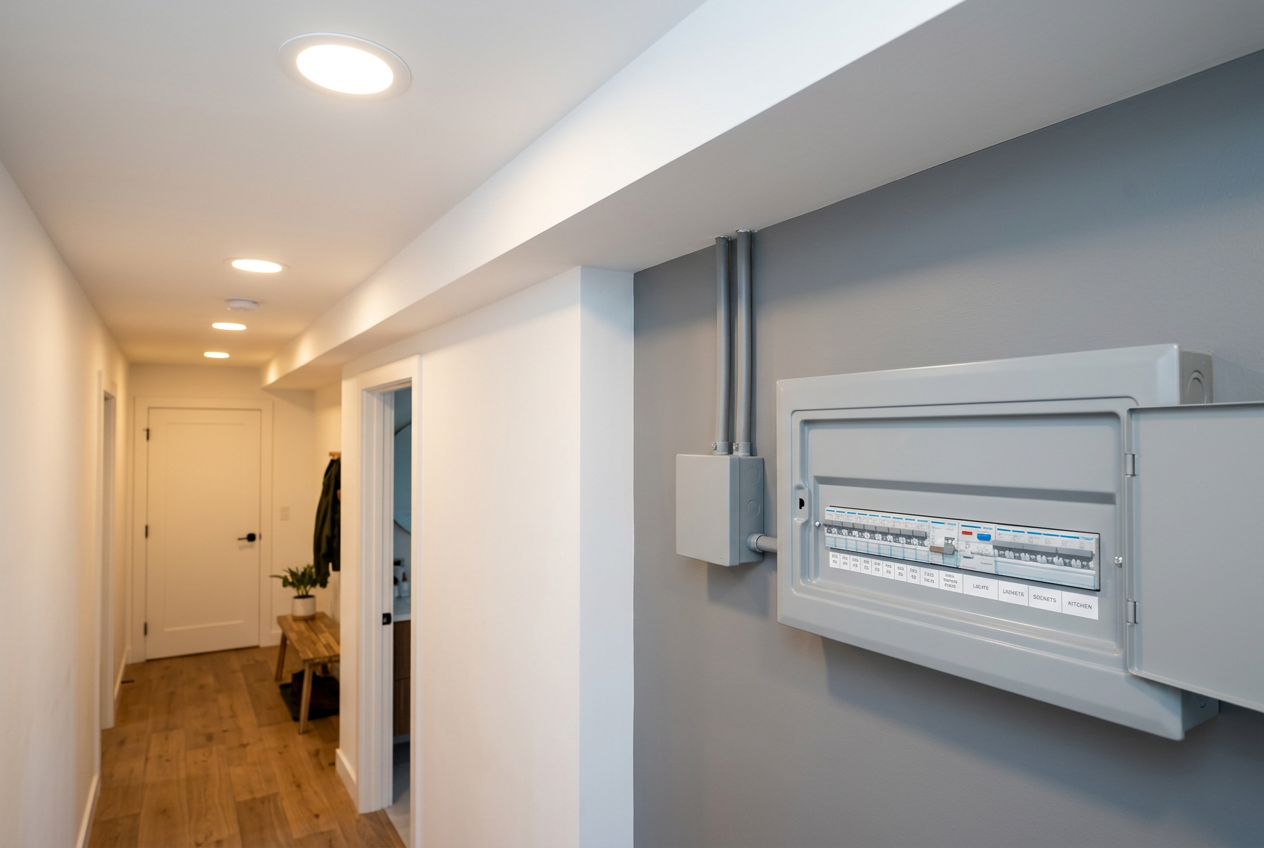
Yes — unlicensed electrical work can absolutely affect your home insurance in New Zealand, and in many cases it will void your policy entirely. Insurers routinely investigate the cause of electrical fires and faults, and if they find work was carried out without the required licensing and certification, they can decline your claim. Beyond insurance, there are serious legal and safety consequences every homeowner should understand before picking up a screwdriver near a switchboard.
What Does NZ Law Say About Electrical Work?
In New Zealand, most electrical work is restricted work under the Electricity Act 1992. This means it must be carried out by — or under the direct supervision of — a licensed electrician registered with the Electrical Workers Registration Board (EWRB). Once the work is complete, the electrician must issue a Certificate of Compliance (CoC), which is your legal proof that the work meets the required standard.
Restricted electrical work includes (but is not limited to):
- Installing or altering wiring, switchboards, or consumer mains
- Fitting fixed appliances such as ovens, hot water cylinders, and heat pumps
- Installing power points, light fittings connected to fixed wiring, and ceiling fans
- Any work on your home's main electrical installation
Breaching these rules can result in fines of up to $10,000 for homeowners, and potentially more for repeat offences.
How Unlicensed Work Affects Your Home Insurance
This is where things get very serious. Most New Zealand home and contents insurance policies contain clauses requiring that any building work — including electrical work — complies with all relevant laws and regulations. When you make a claim, your insurer has the right to investigate.
If an electrical fault, fire, or injury is traced back to unlicensed work, your insurer can:
- Decline your claim for the damage caused
- Void your policy entirely, leaving you uninsured for all future claims
- Pursue recovery of costs if a third party (such as a neighbour) is affected
This applies even if you didn't do the work yourself — if you knowingly hired an unlicensed person, or if a previous owner did, the risk can still fall on you. Always ask for a Certificate of Compliance for any electrical work done on your property and keep it with your important documents.
What About DIY Electrical Work?
Some very minor tasks are not restricted work and can be done by a competent homeowner. These include:
- Replacing a light bulb or fluorescent tube
- Replacing a fuse wire or resetting a circuit breaker
- Connecting a plug to a flexible cord (for portable appliances)
- Replacing a socket outlet or light switch cover plate only (not the wiring behind it)
If you are ever unsure whether a task is restricted work, the safest approach is to contact a licensed electrician or check guidance from the EWRB before starting. When in doubt, don't.
The NZ Building Code Connection
Electrical installations in NZ homes must also comply with the NZ Building Code, specifically Clause G9 (Electricity). Work that requires a building consent must be carried out and signed off correctly. Even work that falls under Schedule 1 exemptions (meaning no consent is needed) must still comply with the Building Code and relevant standards — always confirm with your local council what applies to your specific situation.
BRANZ is a useful resource for understanding how building standards apply to residential properties in NZ.
Safety: The Most Important Reason to Use a Licensed Electrician
Beyond insurance and legal compliance, the core reason these rules exist is safety. Faulty electrical work is one of the leading causes of house fires in New Zealand. Poor connections, undersized wiring, and incorrect earthing can cause fires that start inside walls — often hours or days after the work is done, and with no visible warning.
Safety note: If you suspect unlicensed or unsafe electrical work in your home — flickering lights, tripping breakers, burning smells, or scorch marks near outlets — turn off the relevant circuit at the switchboard and contact a licensed electrician immediately. Do not attempt to investigate inside walls or switchboards yourself.
For workplace electrical safety obligations, WorkSafe NZ provides further guidance.
Buying or Selling a Home With Unlicensed Electrical Work
If you are purchasing a property, it pays to ask for Certificates of Compliance for any electrical work done. If records are missing, a licensed electrician can carry out an electrical inspection and, where necessary, bring the installation up to standard and issue the appropriate documentation. This protects both your insurance position and your safety.
If you are selling, undisclosed unlicensed work can expose you to legal liability under the Consumer Guarantees Act and the Fair Trading Act.
When to Call a Professional
For virtually all electrical work beyond the minor tasks listed above, you must engage a licensed electrician. A qualified professional will:
- Carry out the work safely and to the correct standard
- Issue a Certificate of Compliance
- Ensure your insurance remains valid
- Protect you from legal liability
You can find qualified, local licensed electricians on tradedirectory.co.nz — always check that your electrician is registered with the EWRB before work begins.
Sources & Further Reading
- Electrical Workers Registration Board (EWRB) — check licences and understand restricted work
- MBIE Building Performance — NZ Building Code and consent information
- WorkSafe NZ — electrical safety obligations
- BRANZ — building research and standards guidance
- Consumer NZ — homeowner rights and insurance advice

 Site Safe
 Licensed Electrical Inspector







