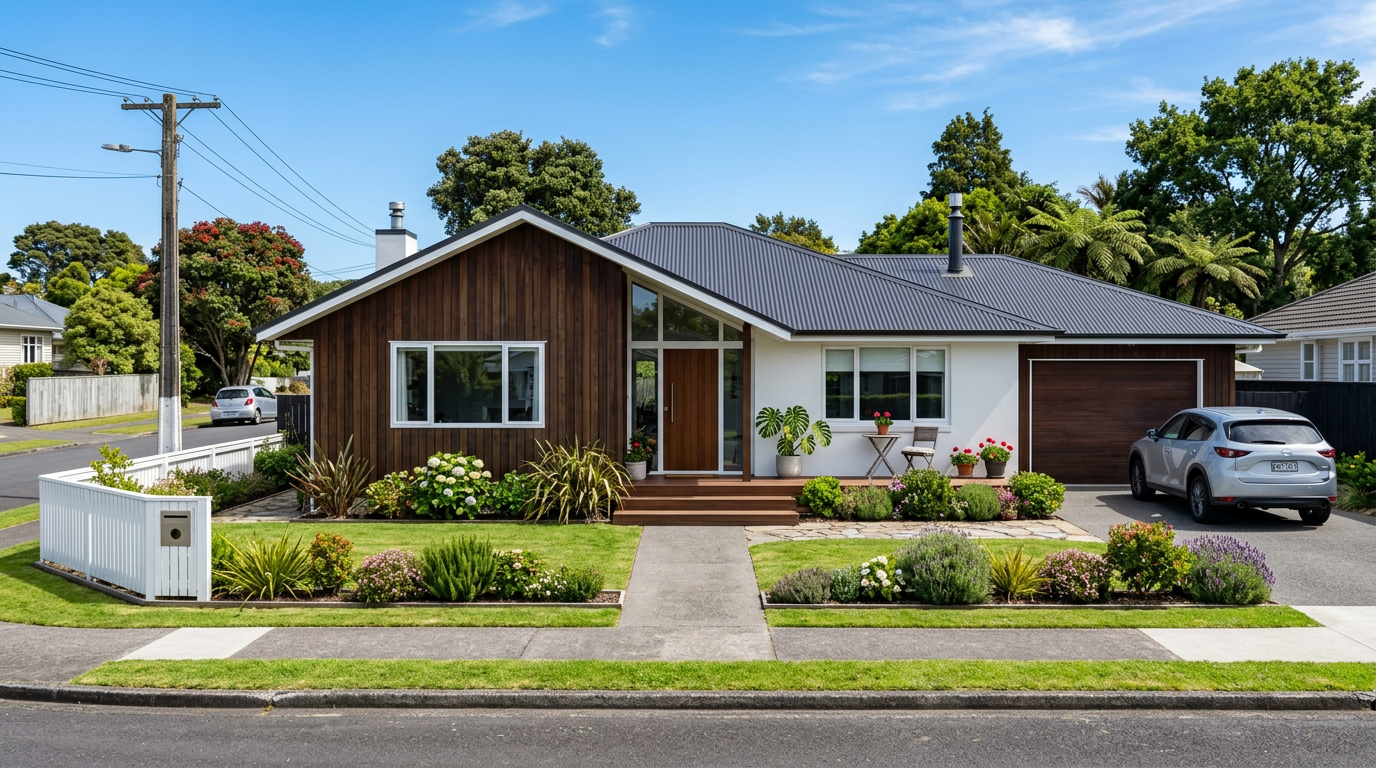
Yes, many New Zealand home insurers do set minimum lock requirements as a condition of cover — and if your locks don't meet those requirements, you could find a claim declined or reduced. The exact standards vary between insurers, so checking your policy wording carefully is essential before assuming you're fully covered.
Why Insurers Care About Lock Grades
Insurers assess risk, and a poorly secured home is a higher risk. If a burglar can defeat your locks quickly and easily, the insurer may argue that you didn't take reasonable steps to protect your property. Most policies include a general clause requiring you to maintain your home in a secure condition — and some go further by specifying the type or grade of lock that must be fitted to external doors and windows.
Failing to meet these conditions can mean:
- A claim being declined entirely
- A reduced payout (partial settlement)
- Your policy being voided at renewal
What Lock Standards Are Commonly Referenced?
New Zealand insurers most commonly refer to locks that comply with AS/NZS 4145 (the Australian/New Zealand standard for mechanical locks) or that meet a minimum security grade under that standard. Standards NZ publishes the relevant standards, though purchasing the full document has a cost.
In practice, insurers typically look for:
| Requirement | What It Usually Means |
|---|---|
| Deadlock or deadbolt | A lock that cannot be pushed back without a key — not just a spring latch |
| Five-lever mortice lock | Common on older NZ homes; must meet AS/NZS 4145.2 |
| Cylinder deadbolt | Common on modern doors; look for anti-pick, anti-drill features |
| Window locks | Lockable stays or key-operated locks on accessible windows |
| Sliding door security | Anti-lift devices and a secondary lock or bar |
Some insurers also reference Grade 1 or Grade 5 ratings under AS/NZS 4145, with higher grades indicating greater resistance to attack. Always check your specific policy — the wording differs between providers.
How to Find Out What Your Policy Requires
The clearest way is to:
- Read your policy document — look for sections titled "Security," "Conditions of Cover," or "Your Obligations."
- Call your insurer directly and ask them to confirm in writing what lock standards are required for your property type.
- Check at renewal — requirements can change between policy periods.
Consumer NZ has useful guidance on understanding home insurance policy terms and your rights if a claim is disputed.
Common Lock Situations in NZ Homes
Older Homes
Many older New Zealand homes still have rim latches (the simple spring-latch type) as the primary door lock. These almost never meet insurer requirements on their own. Upgrading to a quality deadbolt or mortice deadlock is usually straightforward and worthwhile.
New Builds
Modern homes built to the NZ Building Code (particularly the NZ Building Code) don't automatically guarantee insurance-grade locks. Lock selection is a builder's or owner's choice, so confirm your locks meet your insurer's standard even on a new home.
Rental Properties
If you're a landlord, the Healthy Homes Standards require rental properties to have functioning locks on all exterior doors and windows. See Tenancy Services for the full requirements. Your landlord insurance policy may have additional lock-grade requirements on top of these.
What Makes a Lock "Insurance Grade"?
While there's no single universal NZ definition, a lock that's likely to satisfy most insurers will typically:
- Be a deadlock (key-operated, no spring return)
- Have anti-pick pins and an anti-drill plate
- Be installed with long-throw bolts (at least 20 mm throw)
- Be fitted with long screws into the door frame (not just the door itself)
- Come from a reputable brand with documented compliance
A qualified locksmith can advise on products that meet these criteria. Brands available through NZ suppliers include Lockwood, Gainsborough, and Whitco — ask your locksmith which products they recommend for insurance compliance in your situation.
Does Installation Matter?
Absolutely. Even the best lock fitted poorly can be defeated quickly. Insurers can also argue that a lock was not "properly maintained" if it was installed incorrectly. A licensed locksmith will ensure the lock is fitted to manufacturer specifications, with the correct backset, reinforced strike plate, and appropriate fixings for your door material (timber, aluminium, or composite).
When to Call a Professional
You should engage a qualified locksmith if:
- You're unsure whether your current locks meet your insurer's requirements
- You want a security audit of your home before renewing your policy
- You need to upgrade locks after a break-in or near-miss
- You're buying or renting out a property and want to confirm compliance
- You've lost keys and need a lock re-keyed or replaced
Locksmithing in New Zealand does not currently require a government-issued licence in the same way electrical or plumbing work does — but choosing a locksmith who is a member of the Master Locksmiths Association of Australasia (MLAA) or similar professional body gives you confidence in their skills and ethics. You can find qualified local locksmiths on tradedirectory.co.nz.
Safety note: Never leave your home with only a spring latch as your sole security. In an emergency or after a break-in, a locksmith can provide a temporary solution while a permanent fix is arranged.