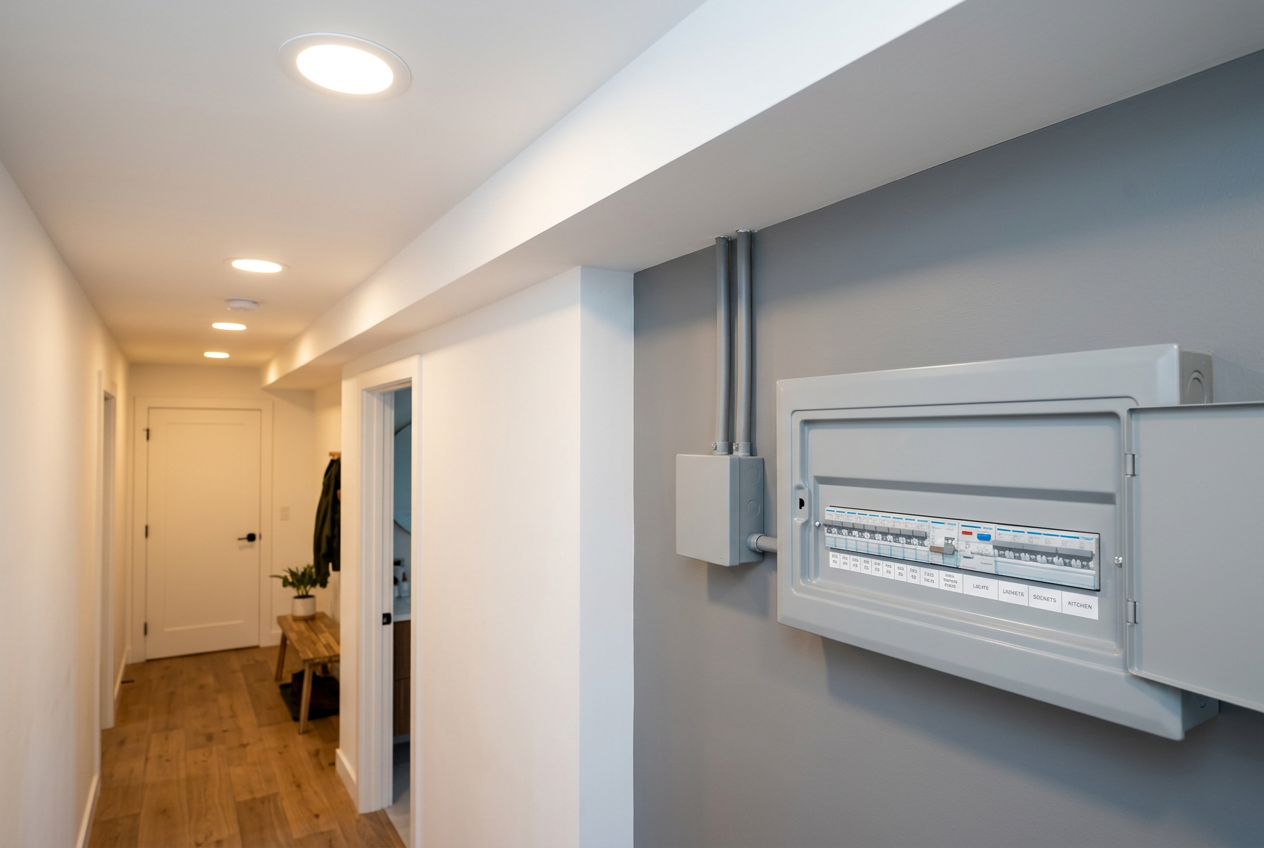
Yes — doing unlicensed electrical work in New Zealand can absolutely void your home insurance, and in many cases it is also illegal. Most insurers require that any electrical work complies with NZ law, and if a claim arises from non-compliant wiring or fittings, they are likely to decline it. Understanding what you can and cannot legally do yourself is essential before you pick up a screwdriver.
What Does NZ Law Say About Electrical Work?
In New Zealand, the vast majority of electrical work is restricted work that must only be carried out by a licensed electrician. This is governed by the Electricity Act 1992 and the Electricity (Safety) Regulations 2010. The Electrical Workers Registration Board (EWRB) is the body that licenses and regulates electricians in NZ.
Restricted electrical work includes:
- Installing, altering, or repairing any fixed wiring in your home
- Connecting or disconnecting switchboards, circuit breakers, or fuses
- Installing power points, light fittings (hardwired), or ceiling fans
- Any work on your meter board or main switchboard
- Installing electric hot water cylinders or hardwired appliances
Carrying out restricted work without a licence is a criminal offence and can result in significant fines.
What Can a Homeowner Legally Do?
There are a small number of low-risk tasks a homeowner can legally do themselves without a licence, including:
- Replacing a light bulb or fluorescent tube
- Replacing a plug on a flexible cord (e.g. a lamp cord)
- Replacing a fuse wire or resetting a circuit breaker
- Connecting a plug-in appliance
If you are unsure whether a task falls within these exemptions, always check with the EWRB or a licensed electrician before proceeding. When in doubt, don't do it yourself.
How Does Unlicensed Work Affect Your Home Insurance?
This is where many homeowners get caught out. Standard home and contents insurance policies in NZ typically include a clause requiring that all work on the property complies with applicable laws and regulations. If a fire, flood, or other damage is found to have been caused — or contributed to — by unlicensed electrical work, your insurer has strong grounds to decline your claim entirely.
Consider these scenarios:
| Scenario | Likely Insurance Outcome |
|---|---|
| Fire caused by DIY wiring | Claim likely declined |
| Water damage from incorrectly wired hot water cylinder | Claim likely declined |
| Shock injury to a visitor from faulty DIY wiring | Liability cover may be void |
| Licensed work done, Certificate of Compliance issued | Claim assessed normally |
Even if the unlicensed work did not directly cause the damage, some insurers may use non-compliance as grounds to void your policy altogether. Always read your policy wording carefully, and if you are unsure, contact your insurer directly.
Consumer NZ recommends reviewing your policy documents and asking your insurer specific questions about what work requires licensed tradespeople to maintain cover.
Certificates of Compliance — Why They Matter
When a licensed electrician completes restricted work, they are required to issue a Certificate of Compliance (CoC). This document confirms the work has been done to the required standard under the applicable NZ electrical safety standards and regulations. Keep all CoCs in a safe place — they are proof that your electrical work is legal and compliant, and they can be critical if you ever need to make an insurance claim or sell your home.
The MBIE Building Performance website has useful information on compliance documentation and when building consents may also be required for electrical work.
Safety: The Bigger Picture
Beyond insurance, there is a very real safety risk. Faulty electrical work is one of the leading causes of house fires in New Zealand. WorkSafe NZ takes electrical safety seriously, and non-compliant work puts you, your family, and your neighbours at risk. Even work that appears to function correctly can have hidden faults that create fire or electrocution hazards years later.
Does Unlicensed Work Affect Selling Your Home?
Yes. When you sell a property, you are generally expected to disclose known defects. Unlicensed electrical work that lacks a CoC can complicate or delay a sale, reduce your property's value, or expose you to legal liability if a buyer later discovers the issue.
When to Call a Professional
For any electrical work beyond the minor exemptions listed above, you must engage a licensed electrician. This is not just best practice — it is the law. A qualified electrician will:
- Carry out the work safely and to code
- Issue a Certificate of Compliance
- Ensure your insurance remains valid
- Protect you from legal liability
You can find licensed, local electricians on tradedirectory.co.nz — always check that your electrician is registered with the EWRB before work begins.
Sources & Further Reading
- Electrical Workers Registration Board (EWRB) — licence checks and restricted work guidance
- MBIE Building Performance — building consents and compliance information
- WorkSafe NZ — electrical safety in the home
- Consumer NZ — insurance policy advice and consumer rights
- Standards NZ — NZ electrical standards and codes of practice

 Site Safe
 Licensed Electrical Inspector







