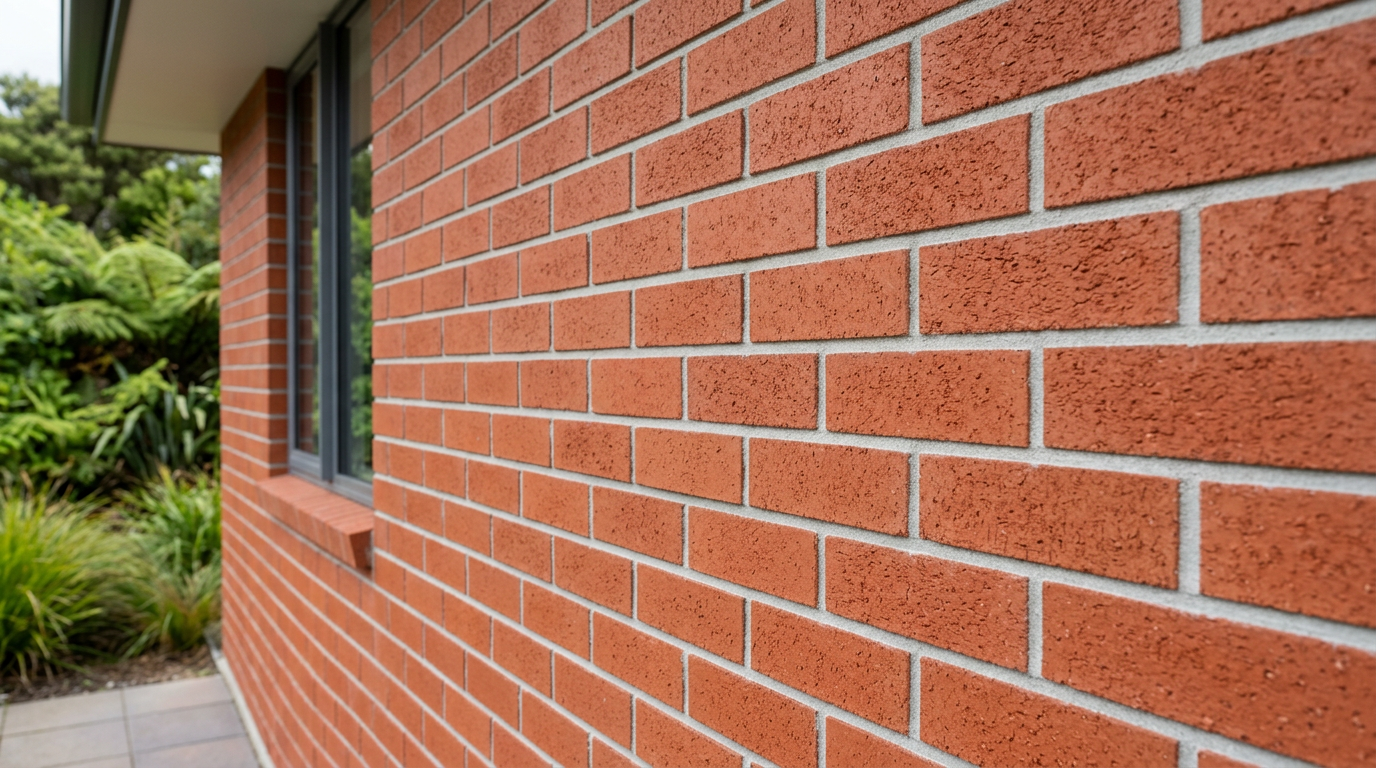
Yes, your bricklayer will generally coordinate with your builder and other tradespeople — and on most New Zealand projects, this coordination is essential for the job to run smoothly. Whether you're building a new home, adding a brick veneer feature wall, or laying a block retaining wall, brickwork rarely happens in isolation. It fits into a broader construction sequence that involves multiple trades working in a specific order.
Why Trade Coordination Matters in Brickwork
Brickwork is a sequenced trade, meaning it can only happen once certain other work is complete, and other trades often can't proceed until the brickwork is done. For example, a brick veneer cladding system can't be laid until the timber framing is up and the building wrap is installed. Equally, electricians and plumbers may need to run conduit or pipes through or behind brickwork before it's finished.
Poor coordination leads to costly mistakes — like having to cut into freshly laid brickwork to accommodate a pipe that wasn't planned for, or delays because scaffolding wasn't booked in time.
How Bricklayers Typically Work With Builders
On most NZ residential and light commercial projects, the head contractor or builder acts as the main coordinator. Your bricklayer will usually:
- Attend site meetings or check in regularly with the builder
- Review plans and confirm dimensions, tie spacings, and cavity details before starting
- Coordinate their start date around the framing and weathertight wrap schedule
- Communicate any issues (like out-of-square framing or missing lintels) back to the builder promptly
- Work alongside scaffolders, as scaffolding must be in place before brickwork begins at height
If you're managing the project yourself as an owner-builder, you'll need to take on this coordination role — which is more demanding than many homeowners expect.
Key Trades Your Bricklayer Will Interact With
| Trade | Why They Interact With the Bricklayer |
|---|---|
| Builder / Carpenter | Framing must be complete; lintels and ties installed |
| Scaffolder | Scaffolding needed before brickwork rises above 1.5 m |
| Plumber | Penetrations through brickwork planned before laying |
| Electrician | Conduit routes confirmed before walls are closed up |
| Waterproofer / Plasterer | Cavity and flashing details must be correct first |
| Concretor | Footings and slab must be cured and level before brickwork starts |
NZ Building Code and Compliance Considerations
Brickwork in New Zealand must comply with the NZ Building Code, particularly clauses relating to structure, weathertightness, and durability. Brick veneer construction is commonly built to NZS 4210 (Masonry Construction) and must also meet the requirements of NZS 3604 where it interfaces with timber-framed construction.
For weathertightness, the cavity behind brick veneer cladding is critical — it must be correctly detailed with flashings, weep holes, and a drained cavity to meet MBIE Building Performance requirements. Your bricklayer and builder need to be on the same page about these details before a single brick is laid.
Most brickwork on new builds or significant alterations will require a building consent. Your local council is the authority on what requires consent — always check with them before starting. Some minor work may fall under Schedule 1 exemptions, but confirm this with your council rather than assuming.
What You Can Do as a Homeowner
If you're overseeing a project, there are a few practical things you can do to help coordination go smoothly:
- Share the full set of plans with your bricklayer early, not just the sections that seem relevant to them
- Confirm the programme — agree on start dates and milestones in writing
- Ask your bricklayer if they've worked with your builder before; existing relationships often mean smoother communication
- Don't rush the sequence — pushing trades to start before the site is ready is a common cause of defects and disputes
- Check that your bricklayer is experienced with the specific system being used (e.g., brick veneer vs. double brick vs. concrete block)
BRANZ is an excellent resource for understanding best-practice construction details in New Zealand, including masonry and cladding systems.
Communication Is the Key
The best outcomes happen when everyone on site communicates openly. A good bricklayer won't just show up and lay bricks — they'll flag potential issues, ask questions about penetrations and fixings, and make sure their work integrates properly with the rest of the build. If your bricklayer seems reluctant to engage with the builder or other trades, that's worth addressing early.
For larger projects, it's worth asking whether a site foreman or project manager will be coordinating the programme. On smaller jobs, a quick group chat or shared schedule can be enough to keep everyone aligned.
When to Call a Professional
Bricklaying is skilled, physically demanding work that directly affects the structural integrity and weathertightness of your home. While homeowners can do some minor brickwork (like garden edging or small garden walls) without a consent, anything structural, load-bearing, or part of your home's cladding system should be done by a qualified, experienced bricklayer.
For work that requires a building consent, your bricklayer may need to be a Licensed Building Practitioner (LBP) or work under the supervision of one. Check this with your builder and council before work begins.
You can find qualified local bricklayers on tradedirectory.co.nz — look for tradespeople with solid reviews and experience in the type of brickwork you need.


 Licensed Building Practitioner (LBP)





