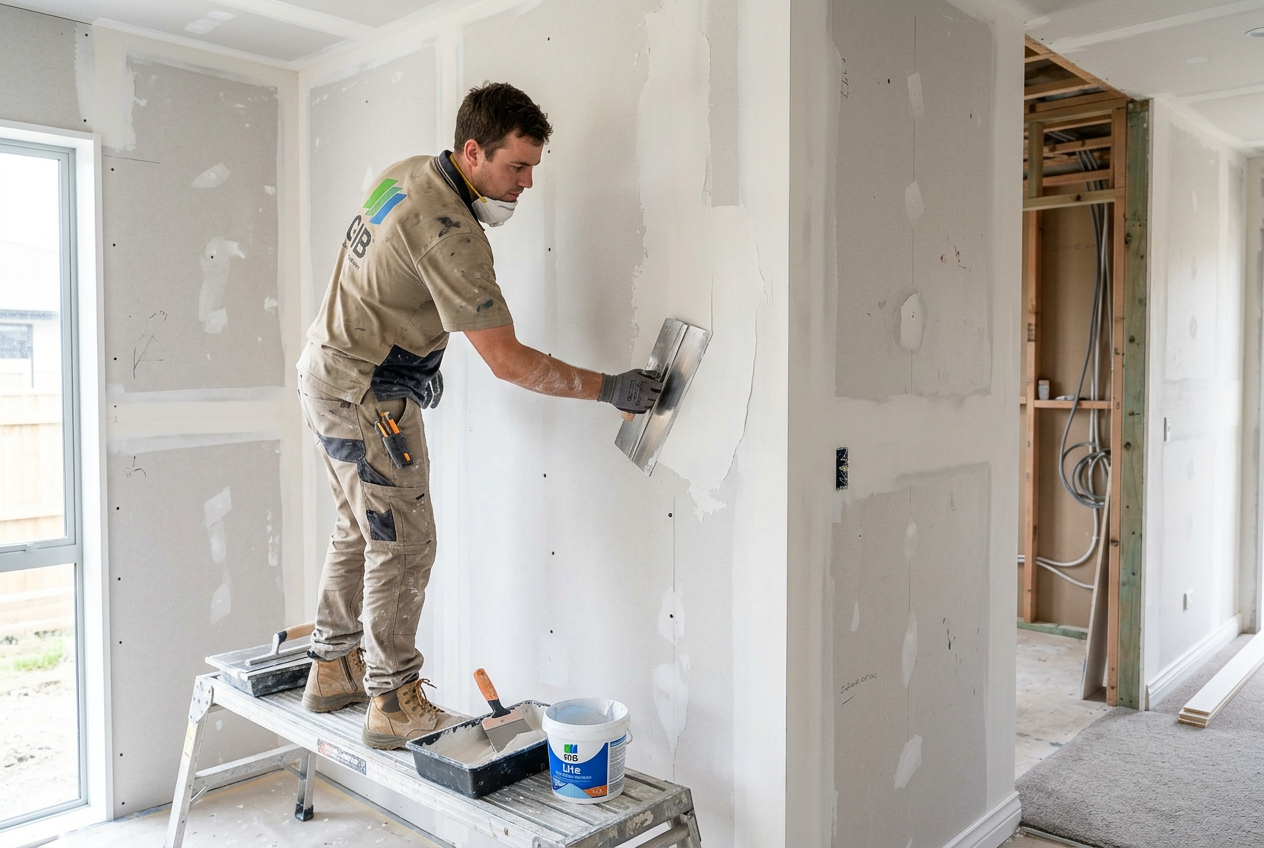
In New Zealand, most professional plasterers will supply their own materials and include the cost in their quote — but this isn't a hard-and-fast rule. The arrangement can vary depending on the plasterer, the size of the job, and the type of plastering work involved. Knowing what to expect before work starts will save you confusion and potential cost blowouts.
The Most Common Arrangement: Plasterer Supplies Everything
For the majority of plastering jobs — whether that's interior stopping and finishing, exterior plaster systems, or decorative work — your plasterer will typically source and supply all the materials themselves. This is the most straightforward approach for both parties.
When a plasterer supplies materials, they usually:
- Have established trade accounts with suppliers, often getting better pricing than retail
- Know exactly which products are compatible with each other and suit your substrate
- Take responsibility for product performance as part of their workmanship
- Include materials as a line item (or bundled total) in their written quote
This approach means less hassle for you as the homeowner, and it ensures the right products are used correctly.
When You Might Be Asked to Supply Materials
There are situations where a plasterer may ask you to purchase some or all materials:
- Specific product requests: If you've specified a particular brand or finish — for example, a specific Resene texture coat or a James Hardie fibre cement substrate — the plasterer may ask you to source it, or they'll order it on your behalf.
- Larger projects: On big builds or renovations, the builder or project manager may coordinate all material procurement centrally, including plasterboard from suppliers like GIB.
- Supply shortages or lead times: Occasionally, specialist products need to be ordered in advance, and the plasterer may ask you to place the order early to avoid delays.
- Owner-builder arrangements: If you're managing your own build, you may prefer to purchase materials directly from PlaceMakers or Mitre 10 and have the plasterer quote labour only.
What's Typically Included in a Plastering Quote
A well-written plastering quote should clearly spell out what is and isn't included. Here's a general guide to what materials may be covered:
| Material | Usually Supplied By |
|---|---|
| Stopping compounds and jointing tape | Plasterer |
| Bonding agents and primers | Plasterer |
| Plasterboard / GIB board | Builder or plasterer (varies) |
| Exterior plaster base coat | Plasterer |
| Texture coat or finishing plaster | Plasterer (or homeowner if specified) |
| Mesh, beads and trims | Plasterer |
| Paint (if plastering only) | Homeowner / painter |
Always ask for a written, itemised quote so you know exactly what's included. If materials aren't listed, ask the plasterer to clarify before signing anything.
Interior vs Exterior Plastering: Does It Make a Difference?
For interior work (stopping GIB board, skim coating, patching), plasterers almost always supply their own stopping compounds and tools. The plasterboard itself is often supplied by the builder or purchased separately, as it's a structural/lining product that may require a building consent depending on the scope of work.
For exterior plastering (monolithic cladding systems, roughcast, texture coatings), the plasterer will typically supply the full system — base coat, mesh, and finish coat — because product compatibility is critical. Exterior plaster systems must comply with the NZ Building Code, particularly Clause E2 (External Moisture), and using mismatched products can void warranties and cause serious weathertightness issues.
Tips for Homeowners Before Work Starts
- Get at least two or three quotes and make sure they're comparing like for like (labour only vs. supply and install).
- Ask about product brands — a good plasterer should be able to tell you what they're using and why.
- Check warranties: Some plaster system manufacturers (such as James Hardie) offer product warranties that may require installation by an approved applicator using their specified system.
- Confirm who disposes of waste — offcuts, empty bags, and packaging can add up on a big job.
- Don't buy materials speculatively without checking with your plasterer first. Buying the wrong product or quantity can cause delays and extra cost.
Does a Plasterer Need to Be Licensed?
In New Zealand, plastering is not a legally restricted trade in the same way as electrical or plumbing work. However, for structural or weathertightness-related work — such as exterior cladding systems — you should look for a plasterer who holds a Licensed Building Practitioner (LBP) licence in the relevant category — check the LBP register at lbp.govt.nz to confirm which category applies to the specific work being carried out. LBPs can carry out or supervise restricted building work and sign off on the work legally.
For interior stopping and finishing, licensing isn't legally required, but experience and a solid reputation still matter enormously for a quality result.
When to Call a Professional
Always use a qualified, experienced plasterer for:
- Any exterior plaster cladding or re-cladding work (weathertightness is critical)
- Repairs to existing monolithic cladding systems
- Large interior lining projects that may require building consent
- Heritage or decorative plasterwork requiring specialist skills
You can find qualified local plasterers in your area through tradedirectory.co.nz.

 Master Painters NZ member