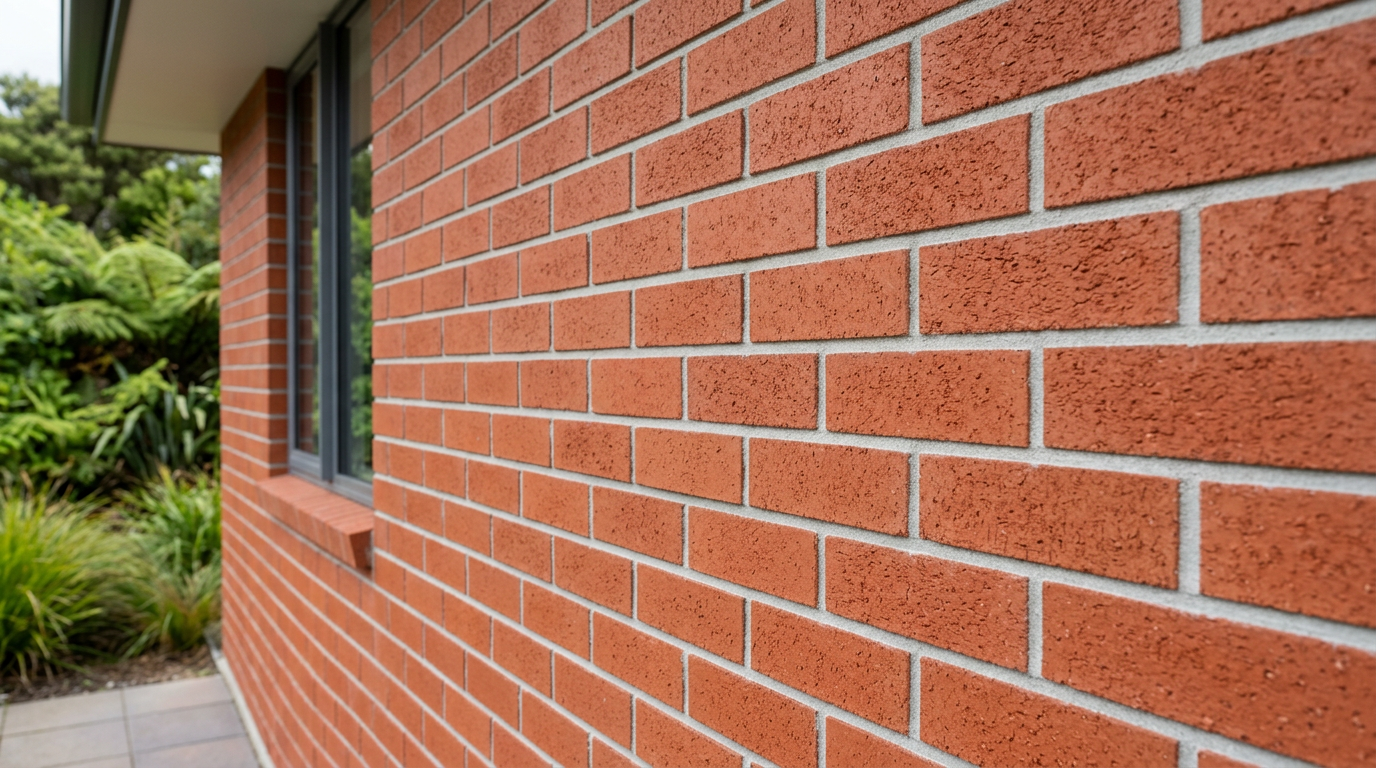
Yes — on a new build in New Zealand, your bricklayer will generally coordinate directly with your builder (or head contractor). In most cases, you won't need to manage that relationship yourself. However, knowing how the process works means you can ask the right questions, avoid costly delays, and make sure everyone is on the same page from the start.
Who Is Responsible for Coordination?
On a typical new build, the head contractor or licensed building practitioner (LBP) acts as the project manager. They are responsible for scheduling all the subcontractors — including the bricklayer — so that each trade arrives on site at the right time and in the right sequence.
Your bricklayer is usually engaged as a subcontractor, either hired directly by your builder or recommended by them. Either way, the builder remains your main point of contact and is accountable for the overall programme. You can check whether your builder holds the appropriate licence at Licensed Building Practitioners.
How the Scheduling Works
Bricklaying on a new build must happen at specific stages of construction. Getting the sequencing wrong can cause significant delays and extra cost. Here's a typical order of events:
- Foundation and slab are completed first (concrete must be cured and signed off).
- Framing goes up and is inspected.
- Bricklayer arrives to lay the veneer or structural brickwork, including installing wall ties, flashings, and weepholes to meet the NZ Building Code (particularly Clause E2 – External Moisture).
- Other trades (plumbers, electricians, roofers) work around or after the brickwork as required.
Your builder will typically book the bricklayer well in advance, since good bricklayers in New Zealand are often booked out weeks or months ahead — especially in busy regions like Auckland, Christchurch, and Wellington.
What the Bricklayer Needs From the Builder
For bricklaying to go smoothly, the builder needs to provide:
- Accurate plans and specifications — brick type, mortar colour, bond pattern, and any architectural details.
- Site access and a clean, level working area — including scaffolding where required by WorkSafe NZ regulations.
- Timely inspections — council inspections at key stages (such as foundation and pre-line) must be completed before the bricklayer can proceed.
- Material delivery coordination — bricks, mortar, and accessories need to be on site before work begins. Suppliers like Placemakers or Mitre 10 can supply many bricklaying materials, though specialist brick suppliers are often used for larger orders.
Your Role as the Homeowner
While the builder manages the day-to-day coordination, there are a few things you should stay across:
- Confirm your brick selection early. Brick availability in NZ can vary, and some products have long lead times. Changing your mind mid-build can be very expensive.
- Understand what's in each contract. Is the bricklayer contracted directly to you, or through your builder? This affects who you go to if there's a dispute.
- Ask about the NZ Building Code compliance. Brick veneer construction must comply with NZS 3604 (for timber-framed buildings) and relevant clauses of the NZ Building Code. Your builder and bricklayer should both be across this — but it's worth asking.
- Check whether a building consent is required. Most new builds require a full building consent. Your local council is the authority on this. MBIE Building Performance has useful guidance on the consent process.
Communication Tips to Keep Things Running Smoothly
| Situation | Who to Contact |
|---|---|
| Scheduling delays or site readiness | Your builder |
| Brick selection or product queries | Your bricklayer or brick supplier |
| Workmanship concerns | Your builder first, then the bricklayer |
| Building consent or inspection queries | Your local council |
| Disputes about contract or defects | Consumer NZ or a solicitor |
Keep a written record of key decisions — especially around brick type, mortar colour, and any design changes. Email is ideal for this.
What Could Go Wrong Without Good Coordination?
Poor coordination between a builder and bricklayer is one of the more common causes of new build delays. Issues can include:
- Bricklayer arriving before scaffolding is erected (a WorkSafe issue).
- Bricks not on site when the crew arrives, leading to wasted time and call-out fees.
- Framing not plumb or square, causing problems with brick coursing and window reveals.
- Flashings or cavity details not installed correctly, risking moisture ingress — a serious issue under Clause E2 of the NZ Building Code.
BRANZ provides excellent technical guidance on brick veneer construction that both your builder and bricklayer should be familiar with.
When to Call a Professional
Bricklaying on a new build is skilled, physically demanding work that directly affects the weathertightness and structural integrity of your home. It should always be carried out by an experienced, qualified bricklayer. While bricklaying is not legally restricted work in the same way as electrical or plumbing, poor workmanship can lead to costly remediation and may affect your building consent sign-off.
If you're planning a new build and want confidence in your team, you can find qualified local bricklayers and builders on tradedirectory.co.nz. Always ask for references, check their previous work, and make sure contracts are in writing before work begins.


 Licensed Building Practitioner (LBP)





