A sky-high power bill is one of those unwelcome surprises that can leave you scratching your head. The good news is that most causes are identifiable, and many can be fixed without calling a tradie. This guide walks you through the most common culprits, how to diagnose them step by step, and what's safe for you to tackle yourself.
Common Causes of a High Power Bill
Before you can fix the problem, it helps to know what's likely driving it. In New Zealand homes, the usual suspects are:
- Hot water heating – Electric hot water cylinders are often the single biggest energy user in a NZ home, sometimes accounting for 30–40% of your bill.
- Space heating – Plug-in panel heaters, old electric fan heaters, and poorly sized heat pumps all chew through electricity.
- Old or inefficient appliances – Older fridges, freezers, washing machines, and dryers can use significantly more power than modern equivalents.
- Always-on devices (phantom loads) – TVs, gaming consoles, and chargers left on standby add up quietly over a month.
- Leaking hot water – A dripping hot tap means your cylinder is constantly reheating water.
- Tariff or meter issues – You may be on the wrong power plan, or in rare cases your meter could be faulty.
- Seasonal changes – NZ winters mean longer heating hours, shorter days (more lighting), and colder incoming water that takes more energy to heat.
- New occupants or behaviour changes – An extra person, a new baby, or working from home can noticeably increase consumption.
How to Diagnose the Problem Step by Step
Step 1: Compare Your Bills
Pull out your last 12 months of power bills (most retailers provide these online). Look for:
- Which month spiked, and whether it aligns with a cold snap or a change at home.
- Whether your daily kWh usage has increased, not just the dollar amount (prices change too).
Step 2: Check Your Hot Water Cylinder
- Feel the pipes coming off your cylinder — if the outlet pipe is warm when no hot water has been used recently, the thermostat may be set too high or the cylinder may be losing heat through poor insulation.
- Check for dripping taps or a running toilet — these force your cylinder to reheat constantly.
- If your cylinder is uninsulated or older than 15–20 years, it is likely inefficient.
⚠️ Restricted work note: Adjusting the thermostat on an electric hot water cylinder, replacing elements, or any work on the wiring or plumbing connections must be done by a registered electrician or licensed plumber. This is restricted work under NZ law. See EWRB and PGDB for what's covered.
Step 3: Do a Walkthrough for Phantom Loads
Go room by room and note every device that has a standby light or is plugged in but not actively used. Common offenders:
- Gaming consoles (can use 10–15W on standby)
- Older TVs and set-top boxes
- Microwave clocks
- Phone and laptop chargers left plugged in
Plug these into a smart power strip or simply switch them off at the wall.
Step 4: Check Your Heating
- Note how many hours per day your heaters run and what type they are. Plug-in resistive heaters (panel heaters, fan heaters) are the least efficient option.
- A heat pump on a correct setting (around 19–20°C) is typically 3–4 times more efficient than a resistive heater.
- Check that your heat pump filters are clean — a clogged filter makes the unit work harder.
Step 5: Use a Power Meter
A plug-in energy monitor (available from Bunnings or Mitre 10 for a modest cost) lets you measure exactly how many watts any appliance draws. Plug in your fridge, dryer, or old heater and check the reading against modern equivalents.
Step 6: Review Your Power Plan
Visit your retailer's website or use a comparison tool to check whether you're on the best plan for your usage pattern. If you use most power in the evenings and weekends, a time-of-use or low-night-rate plan may suit you better.
What You Can Safely Fix Yourself
| Issue | DIY Fix | Call a Pro? |
|---|---|---|
| Standby/phantom loads | Switch off at wall, use smart strips | No |
| Dripping tap wasting hot water | Replace tap washer (simple tap) | Plumber for complex valves |
| Dirty heat pump filter | Clean filter per manufacturer guide | No |
| Old incandescent bulbs | Replace with LED equivalents | No |
| Fridge/freezer door seals | Replace seals (usually clip-on) | No |
| Hot water cylinder thermostat | Do not touch — restricted work | Yes — electrician |
| Meter query | Contact your retailer | Retailer/lines company |
Switching to LED lighting is one of the easiest wins. A standard LED bulb uses around 8–10W compared to 60W for an incandescent, and they last far longer.
Insulating your hot water cylinder and pipes with a cylinder wrap (if it's an older uninsulated model) is a DIY-friendly job that can reduce heat loss noticeably. Check Energywise for guidance on this and other energy-saving tips.
How to Prevent It Recurring
- Set your hot water cylinder to 60°C (the minimum safe temperature to prevent Legionella growth) — no higher, as every extra degree costs energy.
- Use timer controls on your hot water cylinder to heat water overnight on a low-rate tariff if your plan supports it.
- Draught-proof your home — gaps under doors and around windows force your heater to work harder. BRANZ has excellent guidance on NZ-specific insulation and draught sealing.
- Upgrade old appliances when they fail rather than repairing them — look for the Energy Star rating.
- Consider a heat pump water heater as a long-term replacement for your cylinder; they can be significantly more efficient than a standard resistive element cylinder.
When to Call a Professional
Some issues genuinely require a licensed tradesperson — both for safety and because NZ law requires it:
- Suspected faulty meter or wiring — if your bill has spiked with no obvious behavioural cause, a registered electrician can check for faults such as a failing element running continuously, a wiring fault, or a meter issue. Find a local electrician on tradedirectory.co.nz.
- Hot water cylinder work — thermostat replacement, element replacement, or any electrical or plumbing connections are restricted work requiring a registered electrician and/or licensed plumber.
- Heat pump installation or major servicing — installation must comply with the NZ Building Code and is best handled by a qualified HVAC technician.
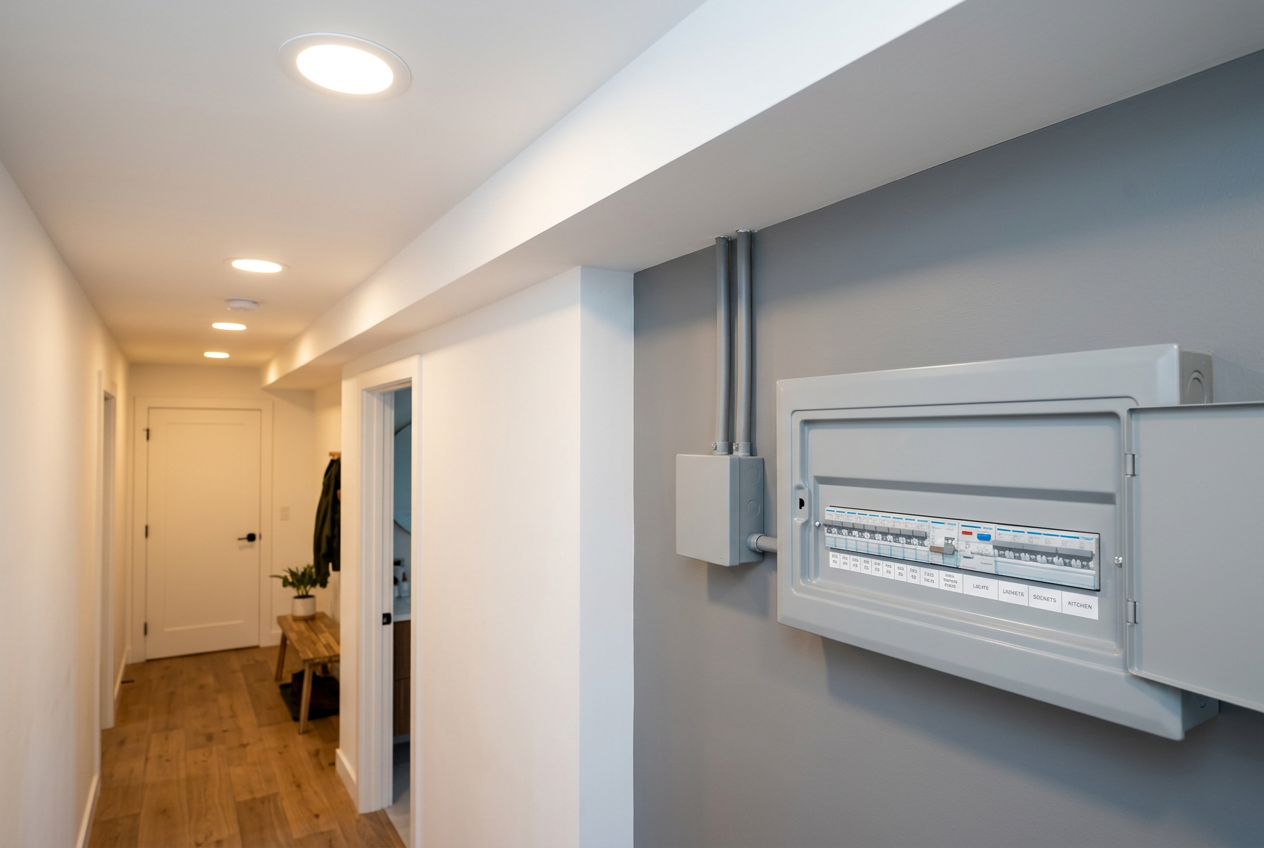
- Any work inside your switchboard — this is always restricted electrical work under the EWRB framework. Never attempt it yourself.
If you're unsure whether your meter is accurate, contact your lines company or retailer first — they can arrange a meter test.

 Site Safe
 Licensed Electrical Inspector







