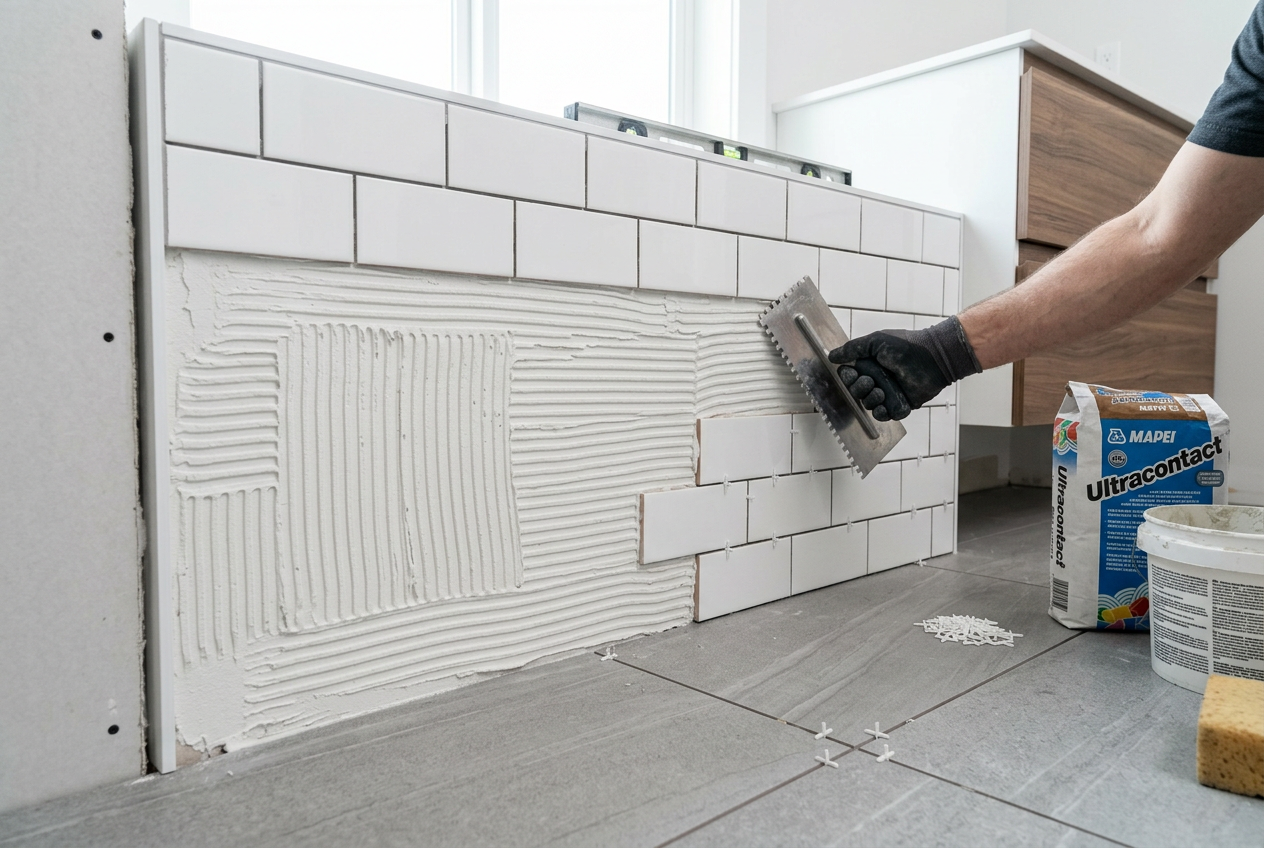
Discovering cracked tiles shortly after a tiler has packed up and left is frustrating — and it raises an immediate question: whose fault is it? The honest answer is that responsibility depends on the cause of the cracking, and that cause isn't always obvious. It could be the tiler's workmanship, the materials used, the substrate beneath the tiles, or even the building itself settling. Understanding the likely culprits will help you have a productive conversation with your tiler and, if needed, escalate the matter appropriately.
Common Causes of Tile Cracking
Before pointing fingers, it helps to know what typically causes tiles to crack after installation:
- Inadequate substrate preparation – If the floor or wall surface wasn't properly levelled, primed, or allowed to cure before tiling, movement in the substrate can crack tiles above it.
- Wrong adhesive or insufficient coverage – Using the wrong tile adhesive for the tile type or substrate, or not achieving the recommended adhesive coverage (typically 95% for wet areas, 80% for dry areas under NZS standards), leaves tiles unsupported and vulnerable.
- Missing or incorrectly placed movement joints – Tiles expand and contract with temperature changes. Without adequate movement joints (as specified in standards like AS/NZS 3958.1), stress builds up and tiles crack or pop off.
- Structural movement – New builds or homes with timber subfloors can experience normal settling. If the structure moves, tiles can crack regardless of how well they were laid.
- Defective tiles – Occasionally, tiles have manufacturing faults such as hairline cracks or inconsistent thickness that only become apparent after installation.
- Impact damage – A heavy object dropped on tiles can cause cracking that looks like a workmanship fault but isn't.
Who Bears Responsibility?
The Tiler
Your tiler is responsible for workmanship — that is, how the job was carried out. If cracking is caused by poor adhesive coverage, failure to install movement joints, incorrect product selection, or not following the tile or adhesive manufacturer's specifications, the tiler is liable to remedy the defect at no cost to you.
Under the Consumer Guarantees Act 1993, services must be carried out with reasonable care and skill. If the tiler's work falls short of this standard, you are entitled to have the problem fixed. Keep all invoices, photos, and any written quotes or specifications — these are your evidence.
The Tile Supplier or Manufacturer
If the tiles themselves are defective, responsibility shifts to the supplier or manufacturer. The Consumer Guarantees Act also covers goods, meaning tiles must be of acceptable quality and fit for purpose. Document the cracking with clear photos and contact the supplier promptly.
The Homeowner
If you supplied the tiles yourself (a common arrangement), you may bear responsibility for any defects in those tiles. Similarly, if you directed the tiler to use a specific product against their professional advice, or if damage occurred after the job was completed (impact, flooding, etc.), the tiler is unlikely to be liable.
The Builder or Other Trades
If tiles were laid over a substrate prepared by another trade — say, a builder who poured a concrete slab or installed a particleboard floor — and that substrate was defective or not ready, the builder may share responsibility. This is particularly relevant in new builds.
What to Do When Tiles Crack
- Document everything – Photograph all cracked tiles, noting their location. Do this as soon as you notice the problem.
- Contact your tiler in writing – Email or text is best, as it creates a record. Describe the issue calmly and ask them to inspect the work.
- Allow the tiler to investigate – A reputable tiler will want to understand the cause. They may need to lift a cracked tile to inspect adhesive coverage and the substrate beneath.
- Get an independent assessment if needed – If you and the tiler can't agree on the cause, consider engaging a building inspector or an independent assessor for an independent opinion.
- Escalate if necessary – If the dispute can't be resolved, you can lodge a complaint with Consumer NZ or pursue the matter through the Disputes Tribunal (for claims up to $30,000).
The Role of the NZ Building Code
For tiled wet areas such as bathrooms and showers, the NZ Building Code — particularly Clause E3 (Internal Moisture) — sets performance requirements. Cracked tiles in wet areas are a serious concern because they can allow water ingress, leading to structural damage and mould. If cracking compromises waterproofing, this becomes a building compliance issue, not just a cosmetic one.
Tile adhesives and grouts from reputable suppliers like Ardex, Mapei, or Sika come with technical data sheets specifying correct use — a professional tiler should always follow these.
When to Call a Professional
If cracked tiles are in a shower, bathroom, or other wet area, don't delay. Water getting behind tiles can cause serious damage to framing and linings. Contact a qualified tiler promptly — you can find licensed local tilers on tradedirectory.co.nz. If the cracking is widespread or you suspect a structural cause, a Licensed Building Practitioner (LBP) should assess the substrate and structure before any remedial tiling begins.
Protecting Yourself Next Time
- Get a written contract that specifies materials, adhesive type, movement joint locations, and a defects liability period.
- Ask your tiler about their experience with your specific tile type and substrate.
- Keep leftover tiles from the original batch — replacements from a different batch may not match.
- Check that your tiler carries public liability insurance.

 Site Safe
 SiteWise


 BCITO Qualified





