If your tiles crack within months of a professional installation, you're not alone — and you're not necessarily stuck with the bill. In New Zealand, liability depends on the cause of the cracking, the quality of workmanship, the products used, and your rights under consumer law. Understanding who is responsible is the first step to getting it sorted.
Your Rights Under the Consumer Guarantees Act
The Consumer Guarantees Act 1993 (CGA) is your most important protection here. When you hire a professional tiler, the CGA guarantees that the work will be carried out with reasonable care and skill and that the result will be fit for purpose. If tiles crack within months of installation due to poor workmanship, the tiler is obliged to remedy the problem — either by repairing or replacing the affected tiles at no cost to you.
Similarly, if the tiles themselves were defective, the supplier or manufacturer may be liable under the CGA's guarantee of acceptable quality. This applies whether you purchased the tiles yourself or the tiler supplied them.
Common Causes of Tile Cracking — and Who's Responsible
Pinning down the cause is key. A qualified tiler or building inspector can help identify the root issue. Common causes include:
- Inadequate substrate preparation — If the tiler didn't properly prepare or level the floor or wall substrate, movement can cause tiles to crack. This is generally the tiler's responsibility.
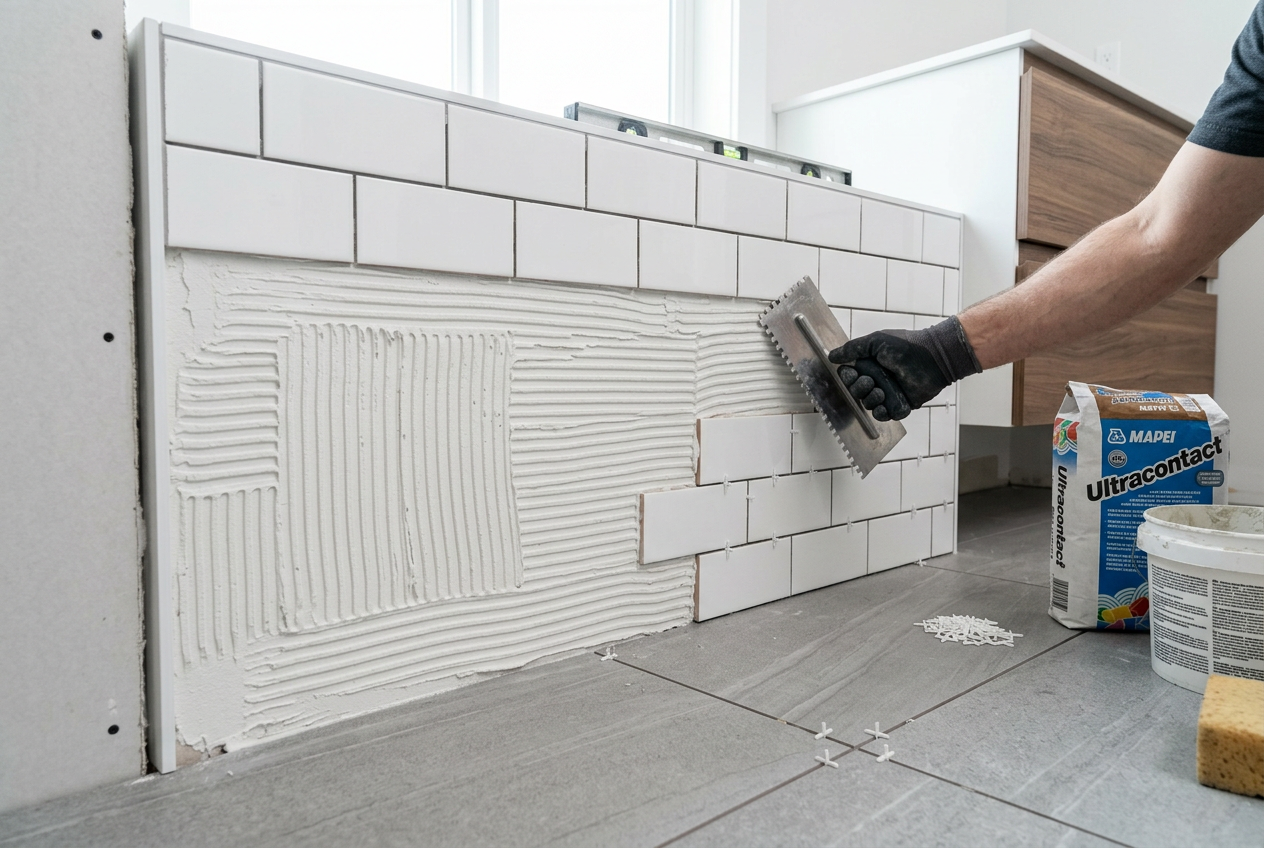
- Wrong adhesive or insufficient coverage — Using the wrong tile adhesive, or not achieving adequate coverage (typically at least 80% on floors, more in wet areas), can lead to hollow spots and cracking. Products from reputable suppliers like Ardex or Mapei come with technical data sheets specifying correct use — if the tiler didn't follow these, that's on them.
- No or insufficient movement joints — NZ tiling standards require movement/expansion joints at regular intervals and at junctions. Omitting these is a workmanship fault.
- Structural movement — If the building itself is moving (e.g., subfloor deflection, settling foundations), the tiler may not be at fault, though they should have flagged any concerns before starting.
- Defective tiles — Manufacturing faults such as inconsistent thickness or internal stresses can cause cracking. In this case, the tile supplier or manufacturer carries liability.
- Incorrect tile choice — Using a tile rated for walls in a high-traffic floor application, for example, is a specification error. If the tiler recommended the tile, they may share responsibility.
What the NZ Building Code Says
Tiling in wet areas (bathrooms, showers, laundries) must comply with NZ Building Code Clause E3 (Internal Moisture). Poor tiling that allows water ingress can also trigger issues under Clause B2 (Durability), which requires building elements to last a minimum of 15 years in most cases. MBIE Building Performance provides guidance on these requirements. If your tiling job required a building consent and the work doesn't meet code, the tiler (and potentially the consenting authority) may have further obligations.
For tiling over timber-framed substrates, BRANZ publishes best-practice guidance that professional tilers should follow.
Steps to Take If Your Tiles Crack
- Document everything — Photograph the cracking in detail, noting dates and locations.
- Review your contract or quote — Check what was agreed, including any product specifications and warranties offered.
- Contact the tiler in writing — Raise the issue formally (email is fine) and give them a reasonable opportunity to inspect and remedy the problem.
- Get an independent assessment — If the tiler disputes liability, a building inspector or another qualified tiler can provide a written opinion on the cause.
- Escalate if needed — If the tiler won't engage, you can lodge a complaint with the Disputes Tribunal (for claims up to $30,000) or seek advice from Consumer NZ.
Tile and Product Warranties
Many tile adhesives, grouts, and waterproofing membranes come with manufacturer warranties when applied correctly. If the tiler used a product incorrectly, the manufacturer's warranty may be void — putting liability back on the tiler. Always ask your tiler for the product data sheets and any warranty documentation before work begins.
A Note on Licensed Building Practitioners
While tiling itself is not restricted building work in the same way as structural or weathertightness work, some tiling in wet areas may form part of a restricted building work scope. Check with Licensed Building Practitioners if you're unsure whether your project required an LBP. Using an LBP provides an additional layer of accountability.
When to Call a Professional
If you're dealing with cracked tiles, it's worth having a qualified tiler or building inspector assess the situation before attempting any DIY repairs. Patching over a structural or waterproofing issue without fixing the root cause can make things significantly worse — and more expensive. You can find qualified local tilers on tradedirectory.co.nz to get an independent assessment or carry out remedial work.

 Site Safe
 SiteWise


 BCITO Qualified