Understanding the difference between an approved evacuation scheme and basic evacuation procedures can save building owners from compliance headaches — and more importantly, help keep people safe in an emergency. In New Zealand, the rules are set out under the Fire and Emergency New Zealand Act 2017, and whether your building needs a formal approved scheme depends on how the building is used and who occupies it.
What Is an Approved Evacuation Scheme?
An approved evacuation scheme is a formal, documented plan that has been submitted to and approved by Fire and Emergency New Zealand (FENZ). It sets out exactly how everyone in a building will be safely evacuated in the event of a fire or emergency. The scheme must be reviewed and re-approved periodically — check with FENZ for the current review timeframes, as these can vary.
The scheme typically covers:
- The layout of the building and all escape routes
- Roles and responsibilities of wardens
- Procedures for people who need assistance to evacuate
- How occupants will be alerted (alarm systems, verbal warnings)
- Assembly points and headcount procedures
- Evacuation drills and their frequency
FENZ must approve the scheme before it is put into use, and the building owner or manager is responsible for keeping it current and carrying out drills.
What Buildings Require an Approved Evacuation Scheme?
Under the Fire and Emergency New Zealand Act 2017, certain categories of buildings must have an approved evacuation scheme. As a general guide, these include buildings that are:
- Places of assembly — such as churches, halls, theatres, cinemas, sports venues, or any space where large numbers of people gather
- Accommodation buildings — hotels, motels, boarding houses, backpacker hostels, and similar
- Hospitals, rest homes, and care facilities — where occupants may have limited mobility or need assistance
- Early childhood centres and schools
- Premises where hazardous substances are present in significant quantities
- Multi-storey buildings above a certain height threshold
- Workplaces that meet specific occupancy thresholds
This is not an exhaustive list. The exact criteria are defined in the Fire and Emergency New Zealand Act 2017 and associated regulations. Always confirm with FENZ or a licensed fire protection specialist whether your specific building triggers the requirement — the rules can depend on occupancy numbers, building height, use, and other factors.
What Are Evacuation Procedures?
Buildings that do not meet the threshold for a formal approved scheme are still legally required to have sensible, workable evacuation procedures in place. Under the Health and Safety at Work Act 2015, employers must ensure emergency procedures exist for any workplace. These don't need FENZ approval, but they must be practical, communicated to all occupants, and regularly reviewed.
For most small, single-storey commercial premises or owner-occupied workplaces with few staff, a clear written procedure, posted escape route maps, and a nominated warden may be all that is required. However, this is a minimum — good practice always goes further.
Residential homes (private dwellings) are not required to have a formal evacuation scheme, but FENZ strongly encourages every household to have a home escape plan. At a minimum, rental properties must comply with smoke alarm requirements under the Residential Tenancies Act — see Tenancy Services for the current rules on alarm types and placement.
Key Differences at a Glance
| Feature | Approved Evacuation Scheme | Evacuation Procedures |
|---|---|---|
| FENZ approval required | Yes | No |
| Formal documentation | Yes, detailed | Yes, but simpler |
| Warden structure required | Yes | Recommended |
| Regular drills mandated | Yes | Best practice |
| Applies to | Specified building types | All other workplaces/buildings |
| Periodic review | Yes, set timeframes | Ongoing, as needed |
The Role of Building Compliance
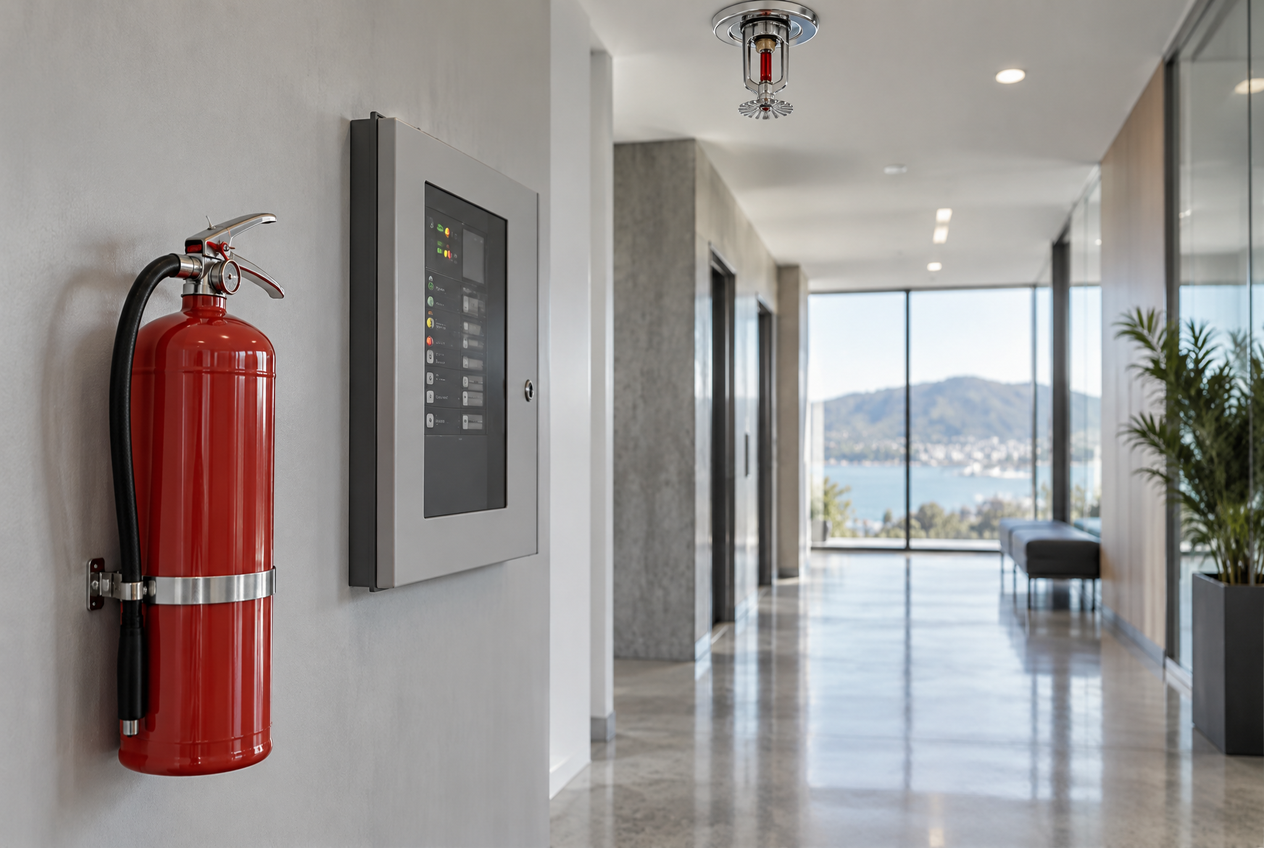
For commercial and public buildings, fire safety systems such as automatic alarms, sprinklers, emergency lighting, and fire doors are often specified systems on the building's compliance schedule. These must be maintained by a suitably qualified person, and the building owner must provide an annual Building Warrant of Fitness (BWOF) to the local council confirming those systems are performing. This is separate from the evacuation scheme but closely related — both are part of a building's overall fire safety picture. For guidance on the Building Code's fire protection requirements (Clause C), visit MBIE Building Performance.
For technical standards covering fire detection, alarm systems, and sprinklers, refer to the relevant NZ Standards (such as those covering fire detection and alarm systems, and automatic sprinkler systems) — confirm the applicable standards with a fire protection specialist or Standards NZ.
When to Call a Professional
If you are unsure whether your building needs an approved evacuation scheme, don't guess. Contact FENZ directly — they can advise on requirements and the application process. For larger or more complex buildings, a licensed fire protection specialist can assess your building, prepare the scheme documentation, liaise with FENZ on your behalf, and ensure your fire systems meet the relevant NZ Standards.
For buildings with specified systems, you will also need a council-registered Independent Qualified Person (IQP) to inspect and certify those systems. Your local council can provide a list of registered IQPs.
You can find qualified fire protection specialists in your area at tradedirectory.co.nz.