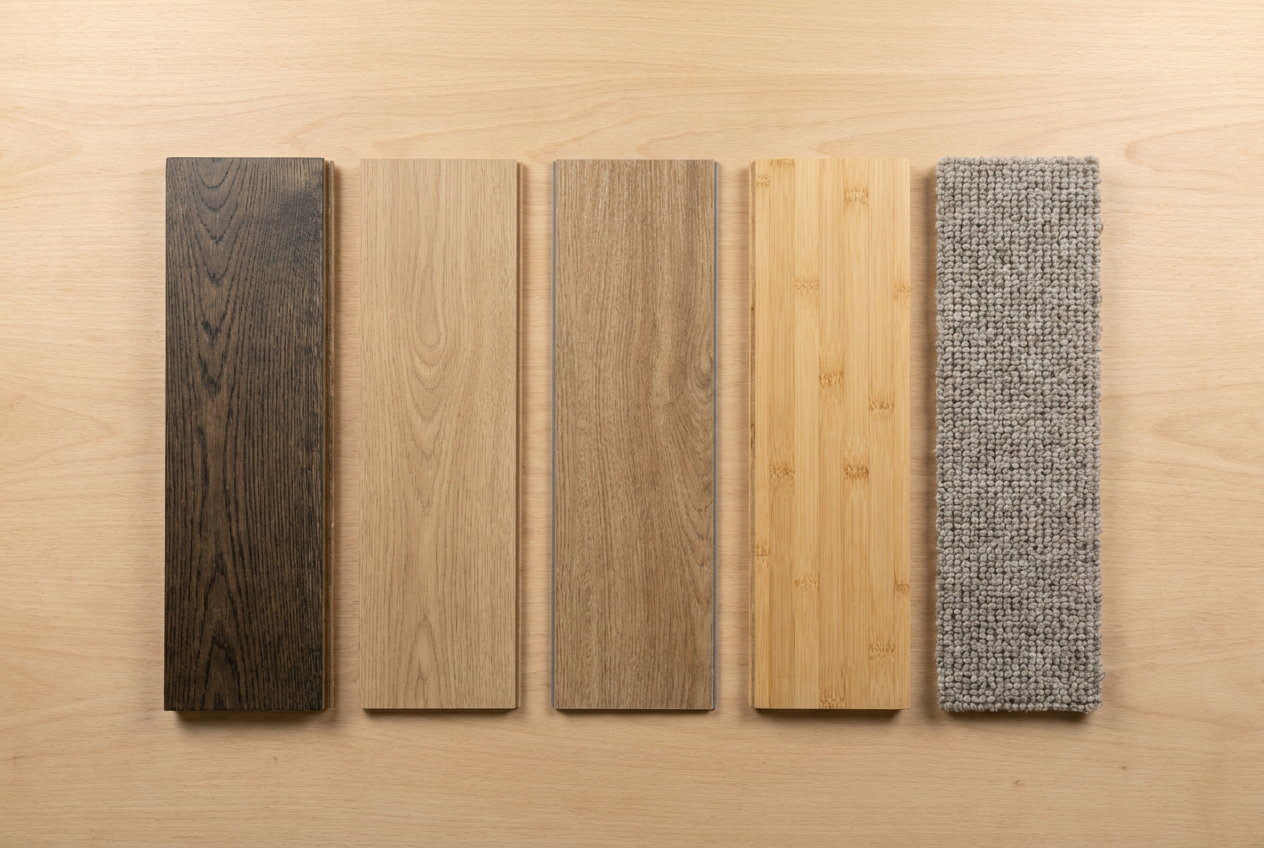
Most professional floor sanders in New Zealand recommend water-based polyurethane as their go-to finish for residential timber floors. It offers an excellent balance of durability, clarity, low odour, and quick dry times — making it practical for both tradespeople and homeowners who want minimal disruption. That said, the right finish depends on your floor species, traffic levels, aesthetic preferences, and budget.
Why Water-Based Polyurethane Is the Top Pick
Water-based polyurethane has become the dominant choice among NZ floor sanding professionals over the past decade, largely replacing older solvent-based products. Here's why it's so popular:
- Low VOCs (volatile organic compounds): Far less fume and odour than solvent-based finishes, making it safer for families and easier to apply in occupied homes.
- Fast dry times: Most coats are touch-dry within 1–2 hours and recoatable within 2–4 hours, so a full three-coat job can often be completed in a single day.
- Clear, non-yellowing finish: Water-based products stay clear over time, preserving the natural colour of light timbers like rimu, pine, and ash.
- Durability: Modern water-based polyurethanes are highly abrasion-resistant and suitable for high-traffic areas including hallways and living rooms.
- Easier clean-up: Tools clean up with water rather than solvents.
Brands such as Wattyl, Dulux, and Resene all offer quality water-based floor coating systems that professional sanders commonly specify.
Solvent-Based Polyurethane: Still Used in Some Situations
Solvent-based (oil-modified) polyurethane was the industry standard for many years and is still used by some professionals, particularly for:
- Older, heavily worn floors where deeper penetration is beneficial
- Darker timber species like kwila or jarrah, where the amber tone of solvent-based products can enhance warmth
- Exterior-adjacent areas where extra flexibility is needed
The trade-offs are significant: strong fumes require good ventilation and respiratory protection, dry times are longer (often 24 hours between coats), and the finish yellows noticeably over time. WorkSafe NZ guidelines around solvent use and ventilation should always be followed.
Hardwax Oils: A Natural Alternative
Hardwax oil finishes (sometimes called penetrating oils) are growing in popularity, especially for homeowners who prefer a more natural, matte look. Rather than forming a surface film, these products soak into the timber and harden within the grain.
Pros of hardwax oil:
- Natural, low-sheen appearance that feels like bare wood
- Spot-repairable — damaged areas can be touched up without resanding the whole floor
- Good for character-grade or rustic timbers
Cons of hardwax oil:
- Less water-resistant than polyurethane — not ideal for kitchens or bathrooms
- Requires periodic maintenance (re-oiling every 1–3 years depending on traffic)
- Initial application can take longer
Choosing the Right Sheen Level
Once you've chosen your finish type, you'll need to select a sheen level. Most professionals offer:
| Sheen Level | Appearance | Best For |
|---|---|---|
| Matte | Flat, natural look | Rustic, character floors |
| Satin | Subtle soft sheen | Most residential floors |
| Semi-gloss | Moderate shine | Traditional or formal spaces |
| Gloss | High shine | Feature floors, period homes |
Satin is by far the most popular choice in NZ homes today — it looks elegant without showing every footprint and scratch.
NZ-Specific Considerations
New Zealand's climate varies significantly from the humid north to the cold, dry south. Timber floors expand and contract with humidity changes, so your finish needs to be flexible enough to move with the wood. This is particularly relevant in older villas and bungalows with native timber floors like rimu, kauri, or matai, which are softer and more reactive than many imported hardwoods.
For heritage or character homes, it's worth checking with BRANZ resources or your local council if any heritage covenants apply to interior finishes. Most floor finishing work does not require a building consent under Schedule 1 of the Building Act, but always confirm with your council if you're unsure.
How Many Coats Do You Need?
Professional floor sanders typically apply three coats of finish:
- Sealer coat — penetrates and seals the timber
- First topcoat — builds the protective layer
- Final topcoat — provides the finished surface
Light sanding (screening) between coats ensures good adhesion and a smooth result. Cutting corners to two coats will reduce the lifespan of the finish significantly.
When to Call a Professional
Floor sanding and finishing is a skilled trade. Hiring an experienced professional ensures:
- The correct grit sequence is used to avoid deep scratches
- Finish is applied evenly without lap marks, bubbles, or fish-eyes
- The right product is matched to your specific timber species and conditions
- Dust is managed safely (fine timber dust is a respiratory hazard per WorkSafe NZ guidelines)
Floor finishing is not restricted work under NZ law (unlike electrical or plumbing), so homeowners can legally DIY — but the results from a professional are typically far superior. You can find qualified local floor sanding professionals on tradedirectory.co.nz.