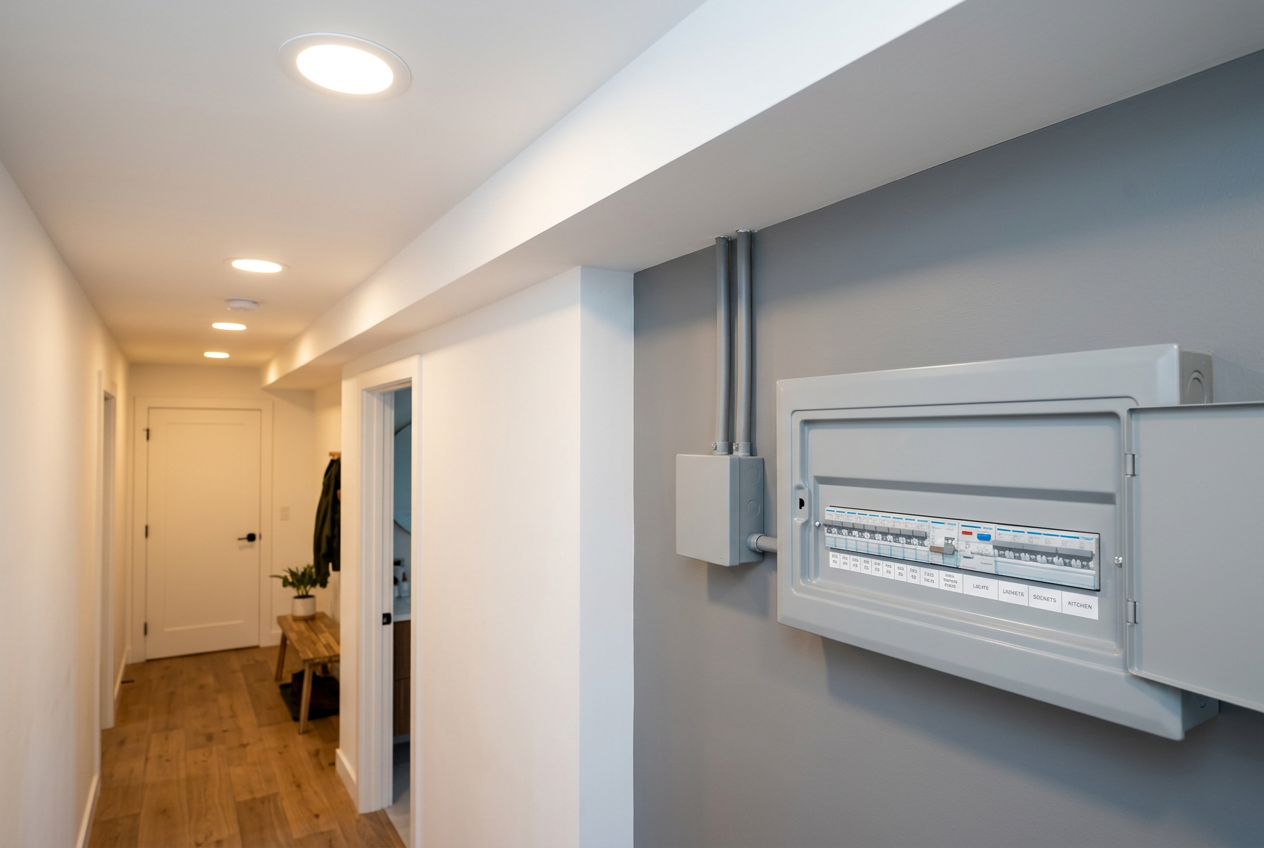
A faulty switchboard is one of those household problems you should never ignore or attempt to fix yourself. In most cases, the answer is straightforward: you need a qualified electrician. Switchboard work is legally restricted electrical work in New Zealand, meaning only a licensed professional can carry it out safely and lawfully. Here's everything you need to know before you pick up the phone.
Why a Qualified Electrician Is the Right Trade
Your switchboard (also called a consumer unit or distribution board) is the nerve centre of your home's electrical system. It receives power from the network and distributes it through individual circuits protected by fuses or circuit breakers. When something goes wrong — tripping breakers, burning smells, flickering lights, or a complete loss of power — the switchboard is often the first place to investigate.
A qualified electrician is the primary trade you need for this job. They have the training, tools, and experience to handle this type of work safely and effectively. Under the Electrical Workers Registration Board (EWRB) framework, all electrical installation work in New Zealand must be carried out by a registered electrical worker. Switchboard work sits firmly in this category — it is restricted work that a homeowner or general handyperson cannot legally perform.
What Is Restricted Electrical Work?
New Zealand's Electricity Act 1992 and the Electricity (Safety) Regulations 2010 define restricted electrical work as any work on fixed wiring, switchboards, circuit breakers, fuses, and connections to the mains supply. This includes:
- Replacing or upgrading a switchboard or consumer unit
- Installing new circuit breakers or residual current devices (RCDs)
- Adding new circuits from the board
- Diagnosing and repairing faults in the board itself
- Any work on the main switch or mains connections
What a homeowner can do: You may safely replace a like-for-like light fitting, swap a plug, or reset a tripped breaker — but the moment work involves the fixed wiring or the board itself, you must call a licensed electrician. If in doubt, call a professional. Unlicensed electrical work can void your home insurance and create serious fire and electrocution hazards.
Safety note: If you smell burning from your switchboard, see scorch marks, or hear crackling sounds, treat it as an emergency. Turn off the main switch if it is safe to do so, vacate the area, and call an electrician immediately. Do not attempt to open the switchboard yourself.
What Will the Electrician Do?
A qualified electrician will assess the situation, diagnose the cause, and recommend the best course of action. They will provide a quote for the work before starting. A typical switchboard service call may involve:
- Visual inspection — checking for signs of overheating, corrosion, loose connections, or outdated components such as ceramic fuse holders (common in older NZ homes built before the 1980s).
- Testing — using a multimeter and insulation resistance tester to check circuit integrity and identify faults.
- Diagnosis — pinpointing whether the fault lies in the board itself, a specific circuit, or a connected appliance.
- Repair or upgrade recommendation — this might be as simple as replacing a faulty circuit breaker, or as involved as a full switchboard upgrade to meet current standards.
- Issuing a Certificate of Compliance (CoC) — all restricted electrical work must be certified. Your electrician is legally required to provide this document, which confirms the work meets the requirements of the New Zealand Wiring Rules (AS/NZS 3000).
Signs Your Switchboard Needs Attention
| Symptom | Likely Cause | Urgency |
|---|---|---|
| Breaker trips repeatedly | Overloaded circuit or faulty breaker | High — call soon |
| Burning smell or scorch marks | Loose connection or arcing | Emergency — call now |
| Flickering lights throughout house | Loose mains connection or failing board | High — call soon |
| No RCDs (safety switches) installed | Older board, non-compliant for rental | Upgrade recommended |
| Ceramic fuse holders (old rewirable fuses) | Outdated system, fire risk | Upgrade strongly advised |
| Breaker won't reset | Persistent fault on circuit | High — call soon |
NZ Building Code and Compliance Considerations
Switchboard upgrades and new electrical installations must comply with the New Zealand Building Code, particularly Clause G9 (Electricity). Most switchboard repair work does not require a building consent, but a full switchboard replacement or upgrade may — always confirm with your local council before work begins, as requirements vary by region.
For rental properties, New Zealand regulations require that rental homes have residual current devices (RCDs/safety switches) installed. If your switchboard lacks RCDs, a landlord may be legally obliged to have them installed. An electrician can advise on compliance.
NZ's high-UV environment, coastal salt air, and damp conditions (particularly in older homes in Northland, the West Coast, and Wellington) can accelerate corrosion inside switchboards — another reason regular inspection by a qualified electrician is worthwhile.
Could Other Trades Be Involved?
Sometimes a job involves multiple trades. Your primary tradesperson — the electrician — can advise if other specialists are needed. For example:
- If the switchboard fault has caused damage to appliances, an appliance repair technician may be needed.
- If water ingress has contributed to the fault (e.g., a leaking roof above the board), a plumber or roofer may need to address the moisture source first.
- For large commercial or industrial switchboard work, a registered electrical inspector may need to be involved for sign-off.
How to Choose the Right Electrician
- Check registration: Verify your electrician is registered with the EWRB — you can search their public register online.
- Get multiple quotes: Always get at least two or three written quotes before committing to significant switchboard work.
- Ask about experience: Switchboard upgrades on older NZ homes (particularly those with aluminium wiring or ceramic fuses) require specific experience — ask directly.
- Confirm they will issue a CoC: A reputable electrician will always provide a Certificate of Compliance for restricted work. If they won't, walk away.
- Check reviews and ask for references: Word of mouth and online reviews are valuable in the NZ trades market.
You can search for qualified local electricians on tradedirectory.co.nz to find professionals in your area.
When to Call a Professional
Call a qualified electrician immediately if you notice any of the following:
- Burning smells, scorch marks, or visible heat damage on or near your switchboard
- Repeated tripping of the same circuit breaker
- Loss of power to part or all of your home
- Flickering or dimming lights that aren't caused by a faulty bulb
- Buzzing or crackling sounds from the switchboard
- An older board with ceramic fuse holders or no RCDs — especially in a rental property
Do not delay. Electrical faults are a leading cause of house fires in New Zealand. A qualified electrician is the only person who should open, test, or work inside your switchboard.

 Site Safe
 Licensed Electrical Inspector







