Getting your home ready before an electrician arrives is one of the easiest ways to keep the job running smoothly and your bill down. A bit of preparation means your tradesperson can get straight to work rather than spending paid time clearing clutter or tracking down your switchboard. Here's what to do.
Know What Work You Need Done
Before the electrician arrives, write down a clear list of everything you want looked at or fixed. Be as specific as you can — for example, "the power point in the kitchen sparks when I plug something in" or "we need two new lights installed in the lounge." If you have multiple jobs, prioritise them so the most important work gets done first in case time runs out.
If you're unsure whether your job requires a building consent, check with your local council or visit MBIE Building Performance for guidance. Many straightforward electrical jobs are exempt under Schedule 1 of the Building Act, but it's always worth confirming.
Locate Your Switchboard
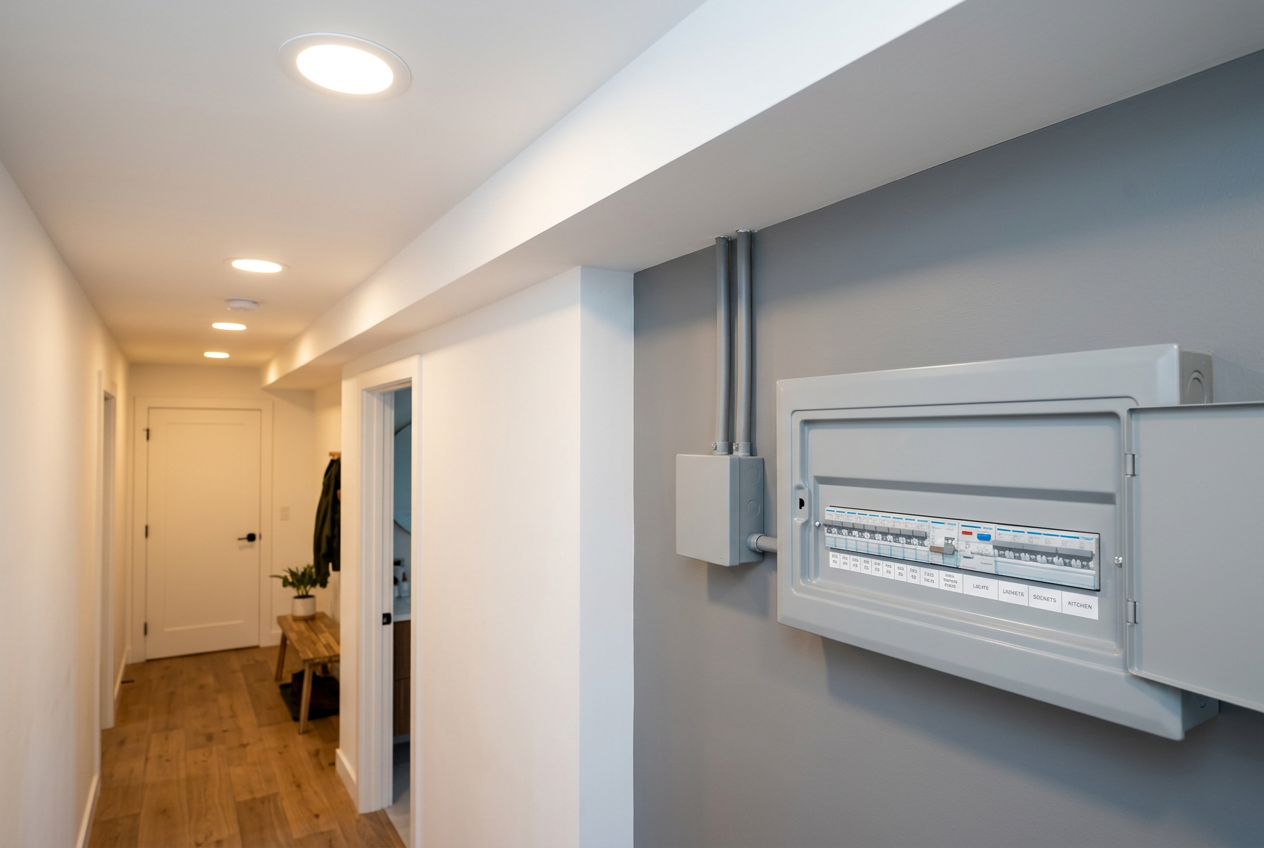
Know where your main switchboard (consumer unit) is before the electrician arrives. In most NZ homes it's in the garage, hallway, or on an exterior wall. Make sure it's accessible — move any furniture, boxes, or stored items away from it. The electrician will almost certainly need to access it, and a clear path saves time.
While you're there, check whether your switchboard has RCDs (residual current devices) — the safety switches that protect against electric shock. If your board looks old or you're not sure, mention this to your electrician. Older NZ homes may still have fuse wire boards that don't meet current safety expectations.
Clear the Work Area
Tidy up around wherever the work is being done. This means:
- Moving furniture away from walls where cables or power points are being installed
- Removing wall art, shelving, or decorations near the work zone
- Clearing bench space in kitchens or laundries if appliances are being connected
- Keeping pets and children out of the work area for safety
If the electrician needs roof or subfloor access, make sure those entry points (manhole covers, access hatches) are clear and easy to open.
Gather Relevant Documents
If you have them, dig out:
- Previous electrical certificates of compliance (CoCs) — these show what work has been done and signed off before
- House plans or wiring diagrams if you have them (useful for renovations)
- Appliance manuals for anything being installed or connected
- Your tenancy agreement if you're a landlord — Tenancy Services outlines Healthy Homes electrical requirements that may be relevant
Make a Note of Any Faults or Symptoms
If you're having an electrical problem, jot down exactly what's happening before the electrician arrives. Note things like:
- When the fault occurs (e.g. only when the oven is on)
- Whether a breaker or RCD trips
- Any burning smells, flickering lights, or warm power points
- How long the issue has been happening
This information helps the electrician diagnose the problem faster, which saves you money.
Understand What Is Restricted Electrical Work
In New Zealand, almost all electrical wiring work is restricted and must be carried out by a registered electrician. This is governed by the Electricity Act 1992 and overseen by the Electrical Workers Registration Board (EWRB). Homeowners are not permitted to do their own wiring, install power points, or connect fixed appliances — even if they feel confident doing so.
What homeowners can do includes changing a lightbulb, replacing a plug on a flexible cord (with care), or resetting a tripped breaker. If in doubt, leave it to the professional.
Safety note: Never attempt to work inside your switchboard or on fixed wiring yourself. Electrical faults are a leading cause of house fires in New Zealand. If you smell burning or see scorch marks near an outlet, switch off the circuit at the board and call an electrician promptly. For emergencies, call 111.
Arrange Parking and Access
Electricians often carry tools, cable drums, and equipment. Make sure there's a clear parking spot close to your home. If you live in an apartment or have a gated property, let the building manager know or arrange access in advance. If you won't be home, make sure you've arranged a key or code for entry — and check with your electrician whether they're comfortable working unsupervised.
Discuss the Quote and Scope Upfront
If you received a quote beforehand, have it handy so you can confirm the scope of work before anything starts. If the job is being done on a time-and-materials basis, ask for an estimate of hours. This avoids bill shock later. A reputable electrician will be happy to walk through the plan with you before starting.
When to Call a Professional
Always use a registered electrician for any fixed wiring work in your home. You can verify a tradesperson's registration through the EWRB. After completing any restricted electrical work, your electrician must provide you with a Certificate of Compliance (CoC) — keep this in a safe place as you'll need it when you sell your home.
For reliable, local electricians across New Zealand, you can search tradedirectory.co.nz to find qualified professionals in your area.
Sources & Further Reading
- Electrical Workers Registration Board (EWRB) — verify electrician registration and understand restricted work
- MBIE Building Performance — building consent information and the NZ Building Code
- WorkSafe NZ — electrical safety in the home
- Tenancy Services – Healthy Homes — electrical requirements for rental properties
- BRANZ — building research and best practice guidance for NZ homes

 Site Safe
 Licensed Electrical Inspector







