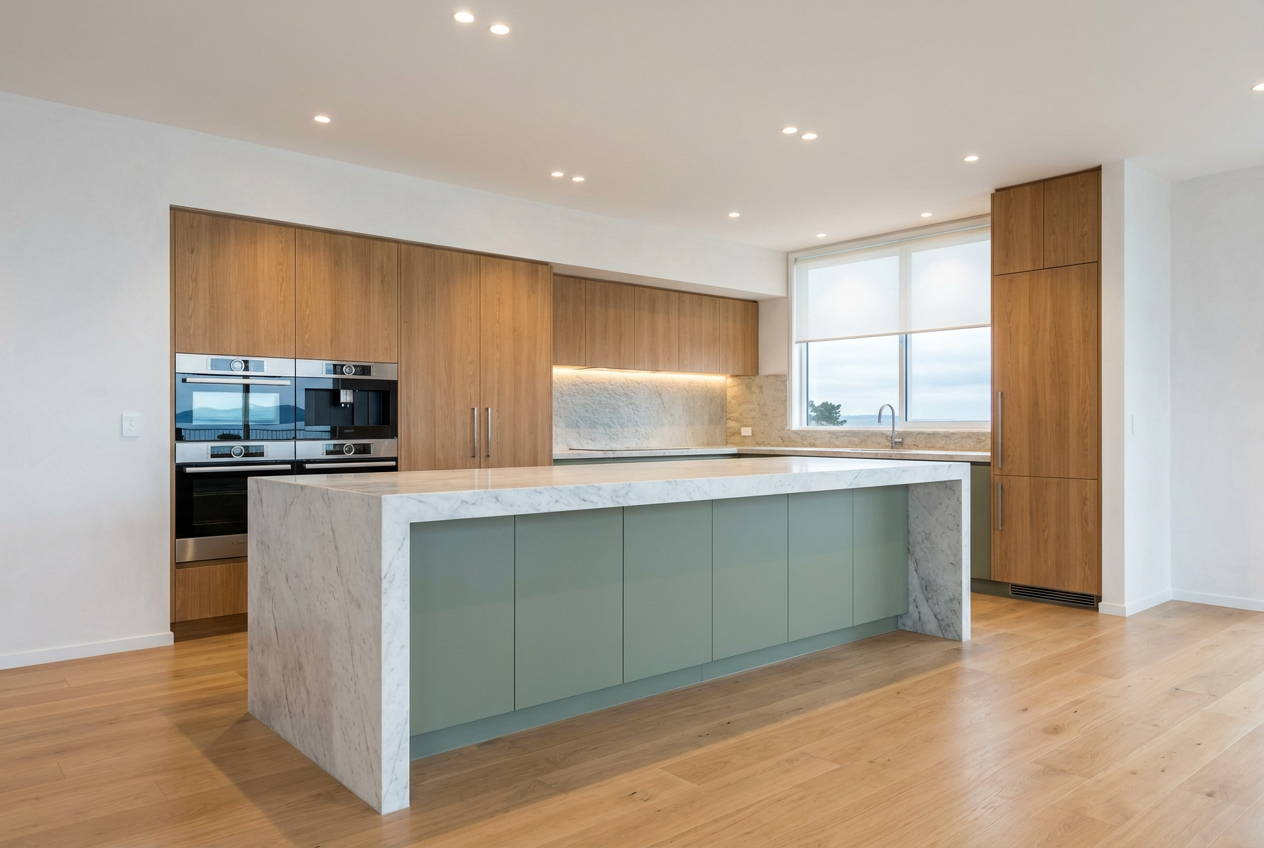
A written contract is one of the most important steps you can take before any cabinetry work begins in your home. It sets clear expectations for both parties, protects your investment, and gives you a straightforward path to resolution if something goes wrong. Whether you're having a new kitchen installed, a laundry fitted out, or custom wardrobes built, here's what a solid NZ cabinet maker contract should cover.
Scope of Work
The contract should clearly describe exactly what is being built and installed. This means detailed descriptions of each cabinet unit — dimensions, configuration (drawers, shelves, doors), and location in your home. Vague language like "kitchen cabinetry" isn't enough. Ask for a floor plan or elevation drawing to be attached as part of the contract so there's no ambiguity about what you're getting.
- Number and size of cabinets
- Door and drawer configurations
- Handles, hinges, and soft-close mechanisms
- Benchtop type and dimensions (if included)
- Any cut-outs for sinks, appliances, or rangehoods
Materials and Specifications
The contract should specify the materials, brands, and grades to be used. For example, is the carcass made from moisture-resistant MDF, solid timber, or particleboard? What brand and colour is the laminate or veneer? If you've chosen a specific paint colour from Resene or a particular finish, it should be named in writing.
This matters because substituting a cheaper material after signing is a common source of disputes. A good contract locks in what you've agreed on.
Pricing and Payment Schedule
The contract must include the total price (GST inclusive) and a clear payment schedule. In NZ, it's standard practice to pay a deposit upfront, a progress payment at certain milestones (such as delivery of materials or completion of installation), and a final payment on completion.
| Payment Stage | Typical Timing |
|---|---|
| Deposit | On signing (often 30–50%) |
| Progress payment | On delivery or mid-installation |
| Final payment | On practical completion |
Be cautious of contracts that ask for 100% upfront. Retaining a portion until the job is finished gives you leverage if issues arise.
Timeline and Key Dates
The contract should state the expected start date, key milestones, and estimated completion date. Cabinet making often involves lead times for materials and manufacturing, so delays can happen — but the contract should outline what happens if deadlines are missed and whether any compensation applies.
Variations
Any changes to the original scope after signing should be handled through a written variation. The contract should explain the process for requesting changes, how additional costs will be calculated, and that no variation is valid unless both parties sign off on it. This protects you from unexpected charges and protects the tradesperson from scope creep.
Warranties and Defects
A reputable cabinet maker should offer a workmanship warranty — typically 12 months is common in NZ, though this can vary. The contract should state:
- The length of the warranty period
- What is covered (workmanship vs. materials)
- The process for raising a defect
- Any manufacturer warranties that apply to hardware or benchtops
For guidance on consumer rights and what to expect from tradespeople, Consumer NZ is a useful resource.
Licensing and Insurance
While cabinet making itself is not a licensed trade in NZ (unlike electrical or plumbing work), the contract should confirm that the tradesperson holds public liability insurance. This protects you if your property is damaged during the job. Ask to see a current certificate of currency before work starts.
Note that if your cabinetry project involves any electrical work (such as under-cabinet lighting or rangehood wiring), that portion must be carried out by a registered electrician — this is restricted work under NZ law. Check the Electrical Workers Registration Board to verify any electrician's registration. Similarly, any plumbing connections must be done by a licensed plumber registered with the Plumbers Gasfitters & Drainlayers Board.
Building Consent Considerations
Most standard cabinetry installations don't require a building consent, but there are exceptions — for example, if structural walls are being modified or if the work forms part of a larger renovation. Always check with your local council if you're unsure. MBIE Building Performance has helpful guidance on when consent is required and what falls under Schedule 1 exemptions.
Dispute Resolution
The contract should outline a clear process for resolving disputes — for example, written notice of a complaint, a timeframe for the tradesperson to respond, and escalation steps if the issue isn't resolved. In NZ, disputes can be taken to the Disputes Tribunal (check the current claims limit with the Ministry of Justice, as thresholds can change), which is a practical option for homeowners.
Cancellation Terms
Understand what happens if either party needs to cancel. The contract should state what portion of the deposit is refundable if you cancel, and what happens if the tradesperson is unable to complete the work.
When to Call a Professional
If you're unsure whether a contract is fair or complete, consider having a solicitor review it before you sign — especially for large or complex projects. For the cabinetry work itself, hiring a skilled local cabinet maker gives you the best chance of a quality result. You can find qualified cabinet makers in your area on tradedirectory.co.nz.