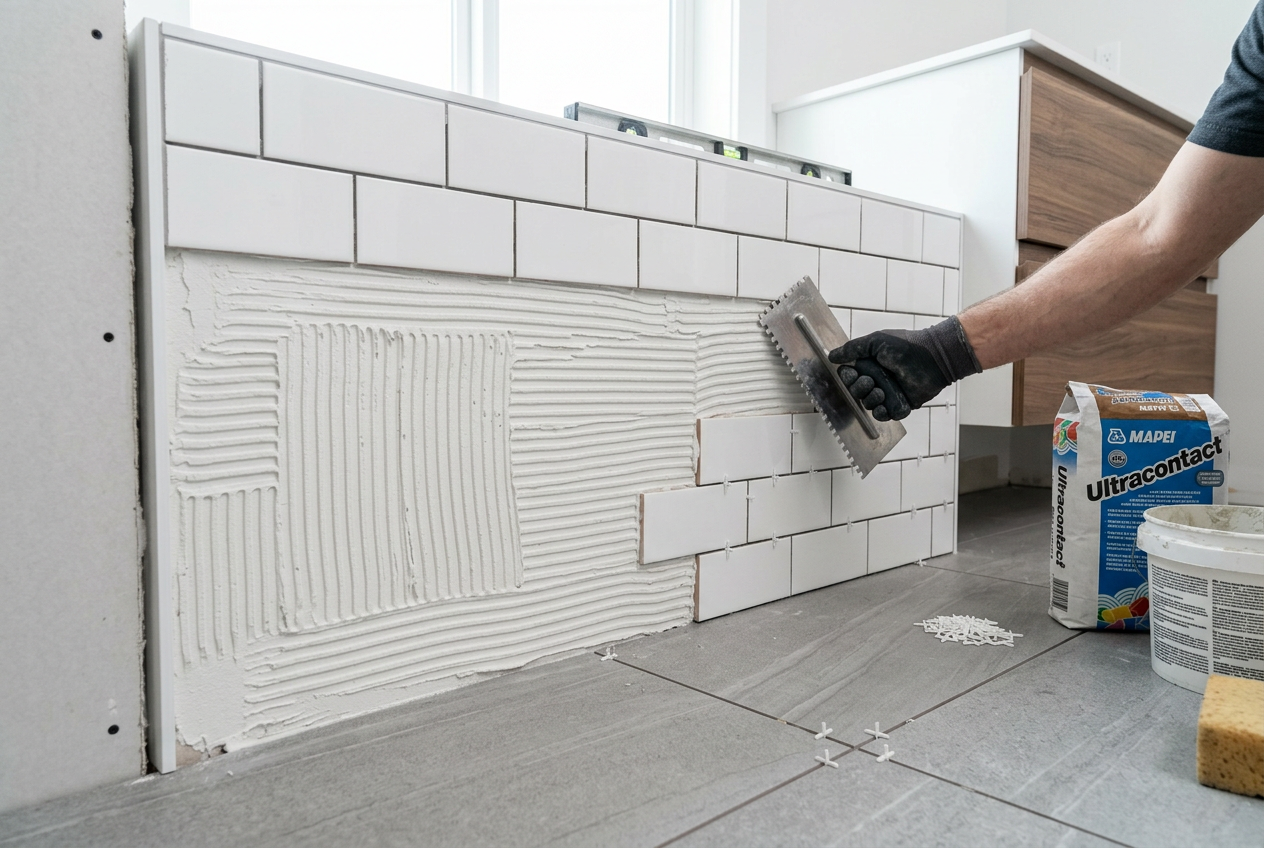
A detailed written quote is your best protection when hiring a tiler in New Zealand. It sets clear expectations, prevents nasty surprises, and gives you something to refer back to if a dispute arises. Before you accept any quote, make sure it covers the key elements outlined below.
Why a Written Quote Matters
A verbal agreement is hard to enforce. A written quote — ideally converted into a formal contract once accepted — spells out exactly what work is being done, what materials are being used, and what everything will cost. Under the Consumer Guarantees Act and Fair Trading Act, tradespeople must carry out work with reasonable care and skill, and a written quote helps hold both parties to that standard.
The Essential Elements of a Tiler's Quote
1. Tradesperson Details
The quote should clearly show:
- Full business name, trading name, and contact details (phone, email, physical or postal address)
- GST number if the business is GST-registered (GST registration thresholds and invoicing requirements should be confirmed with Inland Revenue or your accountant)
- LBP (Licensed Building Practitioner) number if the tiling work is part of restricted building work — for example, tiling work that forms part of the weathertight envelope or other restricted building work categories. You can verify an LBP licence at lbp.govt.nz
2. Scope of Work
This is the heart of the quote. It should describe in plain language:
- Which areas are being tiled (e.g., bathroom floor, shower walls, kitchen splashback) with approximate dimensions in square metres
- Surface preparation — will the tiler waterproof the substrate, apply a scratch coat, or fix any existing damage before tiling?
- Waterproofing — wet areas like showers must comply with NZ Building Code clause E3 (Internal Moisture). The quote should state whether waterproofing membrane is included and which product will be used
- Tile layout and pattern — straight lay, herringbone, diagonal, feature strips?
- Grouting and sealing — type of grout, colour, and whether a sealer is included
- Edge and trim details — schluter strips, silicone joints at changes of plane, etc.
- Removal and disposal of existing tiles, if applicable
3. Materials Specified
A good quote lists the specific products being used, not just vague descriptions. Look for:
- Tile brand, range, size, and colour (or a note that tiles are supply-only by the homeowner)
- Adhesive type — standard cement-based, rapid-set, or flexible adhesive for heated floors or large-format tiles. Reputable adhesive brands used in NZ include Ardex, Mapei, and Sika
- Waterproofing membrane brand and system
- Grout brand and colour reference
- Tile quantities — a good tiler will include a 10–15% wastage allowance for cuts and breakages
4. Pricing Breakdown
The quote should separate costs so you can compare apples with apples:
| Item | Detail |
|---|---|
| Labour | Per m² rate or fixed price for the job |
| Materials | Tiles, adhesive, grout, membrane, trims |
| Surface prep | Waterproofing, substrate work |
| Removal/disposal | If old tiles are being removed |
| GST | Clearly stated (included or excluded) |
As a rough guide, tiling labour in NZ can range from around $60–$120+ per m² depending on tile size, complexity, and region — but always get at least three quotes to understand the market in your area.
5. Variations and Allowances
The quote should explain what happens if the scope changes — for example, if hidden damage is found once old tiles are removed. A variation clause protects both parties by requiring written agreement before extra costs are incurred.
6. Timeline and Programme
Look for:
- Estimated start date and completion date
- Curing and drying times — when can the area be used after grouting or waterproofing?
- Any dependencies (e.g., tiles need to be on-site before work begins)
7. Warranty and Defects Period
A reputable tiler should offer a workmanship warranty — typically 12 months is standard, though this can vary. The quote should also reference any manufacturer warranties on adhesives or membranes. BRANZ provides guidance on best-practice installation that underpins these warranties.
8. Payment Terms
- Deposit amount (a deposit of 10–20% is reasonable; be cautious of large upfront payments)
- Progress payments for larger jobs
- Final payment trigger — usually on practical completion
- Accepted payment methods
9. Building Consent
Most tiling work does not require a building consent, but if the project involves structural changes, new wet areas, or alterations to plumbing, consent may be needed. Always confirm with your local council. You can find general guidance at building.govt.nz. Note that plumbing work in wet areas is restricted work and must be carried out by a licensed plumber registered with the Plumbers, Gasfitters and Drainlayers Board.
Red Flags to Watch For
- No GST number on a quote for a large job
- Vague scope with no m² measurements
- No mention of waterproofing in a wet area quote
- Pressure to pay a large deposit before work starts
- No written warranty offered
When to Call a Professional
Tiling in wet areas, over underfloor heating, or on large-format tiles requires specialist knowledge and the right products. Poor installation can lead to water damage, mould, and costly repairs. If you're unsure about any part of a quote, ask the tiler to explain it — a good tradesperson will be happy to do so. You can find qualified local tilers on tradedirectory.co.nz.

 Site Safe
 SiteWise


 BCITO Qualified





