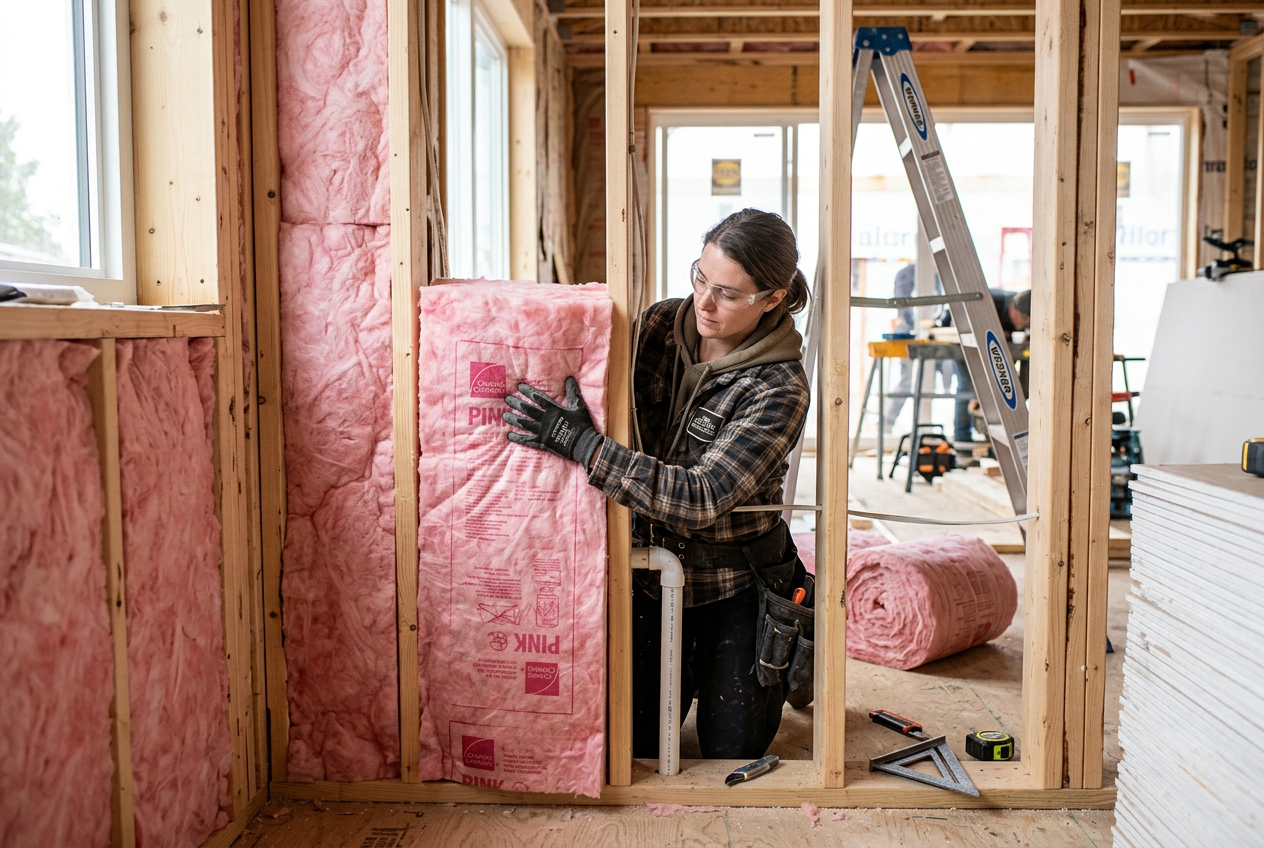
Installing glasswool insulation is a practical DIY job many Kiwi homeowners tackle, but without the right personal protective equipment (PPE), those tiny glass fibres can cause real discomfort and potential health issues. The good news is that with a simple kit of safety gear, you can protect yourself effectively and get the job done safely.
Why Glasswool Requires Special Care
Glasswool (also called fibreglass insulation) is made from fine strands of glass that can break off and become airborne during handling and installation. These fibres can irritate your skin, eyes, and respiratory tract. While glasswool is not classified as a carcinogen under current NZ guidelines, prolonged or repeated exposure without protection is uncomfortable and potentially harmful. WorkSafe NZ provides guidance on managing hazardous substances and airborne particles in the workplace, and the same principles apply to DIY work at home.
Essential PPE for Glasswool Installation
Here is a breakdown of the safety gear you should have before you start:
1. Respiratory Protection
This is arguably the most important item. When cutting or handling glasswool batts, fine fibres become airborne and can be inhaled.
- Use a P2-rated disposable respirator (sometimes labelled FFP2 or N95). A basic dust mask is not sufficient.
- Make sure the respirator fits snugly against your face with no gaps around the edges.
- Replace the respirator if it becomes damp, damaged, or breathing through it becomes difficult.
2. Eye Protection
- Wear safety goggles (not just safety glasses) to prevent fibres from getting into your eyes. Goggles with an indirect-vent design offer the best protection in enclosed spaces like ceiling cavities.
- If fibres do get in your eyes, do not rub them — flush with clean water.
3. Skin Protection
- Wear a long-sleeved shirt and long trousers — ideally a disposable coverall or an old set of clothes you don't mind discarding or washing separately.
- Disposable coveralls (Tyvek-style) are inexpensive and available at Bunnings or Mitre 10 and are the most practical option for ceiling and underfloor work.
- Tuck your shirt into your trousers and your trousers into your socks to stop fibres getting inside your clothing.
- Wear disposable nitrile or latex gloves to protect your hands.
4. Head and Neck Protection
- In ceiling cavities, fibres fall downward. Wear a beanie or disposable hood to protect your hair and scalp.
- A buff or neck gaiter helps protect the back of your neck.
5. Footwear
- Wear closed-toe shoes or boots — never jandals or bare feet, especially in ceiling or underfloor spaces where nails, rough timber, and other hazards are present.
PPE Summary Table
| Body Area | Recommended Protection |
|---|---|
| Lungs | P2/FFP2 disposable respirator |
| Eyes | Sealed safety goggles |
| Skin/body | Disposable coverall or long-sleeved clothing |
| Hands | Disposable nitrile gloves |
| Head/hair | Beanie or disposable hood |
| Feet | Closed-toe boots or shoes |
Working Safely in Ceiling and Underfloor Spaces
Beyond PPE, keep these practical safety points in mind:
- Ventilate the space as much as possible — open manhole covers and subfloor vents before starting.
- Work with the batts, don't fight them — tear or cut glasswool with a sharp utility knife on a firm surface to minimise fibre release.
- Never use a power saw to cut glasswool batts, as this generates far more airborne fibres.
- In ceiling spaces, always step on ceiling joists only, never on the plasterboard between them. A fall through the ceiling is a serious risk.
- Carry a torch or head lamp — good lighting reduces mistakes and trips.
- If working in a subfloor space, check for asbestos in older homes (pre-1990s) before disturbing any existing insulation. If in doubt, contact a licensed asbestos assessor before proceeding. WorkSafe NZ has detailed guidance on this.
After the Job: Cleaning Up
- Shower promptly after finishing — don't rub your skin, as this can drive fibres in further. Let water rinse them away.
- Wash your work clothes separately from your regular laundry.
- Bag and dispose of any offcuts and packaging in your general rubbish.
Does Installing Insulation Need a Building Consent?
In most cases, installing insulation in an existing home is exempt from building consent under Schedule 1 of the Building Act, but this can depend on the scope of work and your local council's interpretation. Always confirm with your local council before starting. For more information on the Building Code requirements around insulation (particularly NZ Building Code Clause H1 — Energy Efficiency), visit MBIE Building Performance.
If your home is a rental property, insulation requirements under the Healthy Homes Standards also apply — your insulation must meet minimum R-value requirements depending on your climate zone.
When to Call a Professional
While installing glasswool insulation is generally DIY-friendly, there are situations where you should bring in a qualified insulation installer:
- If you discover existing insulation that may contain asbestos (common in pre-1990 homes).
- If access to ceiling or underfloor spaces is very confined or difficult.
- If you need to work near electrical wiring — while touching existing wiring is not in itself restricted work, any connections or alterations to wiring must be done by a registered electrician (see EWRB).
- If you're unsure about the correct R-values or installation method for your climate zone.
You can find qualified, local insulation installers on tradedirectory.co.nz.