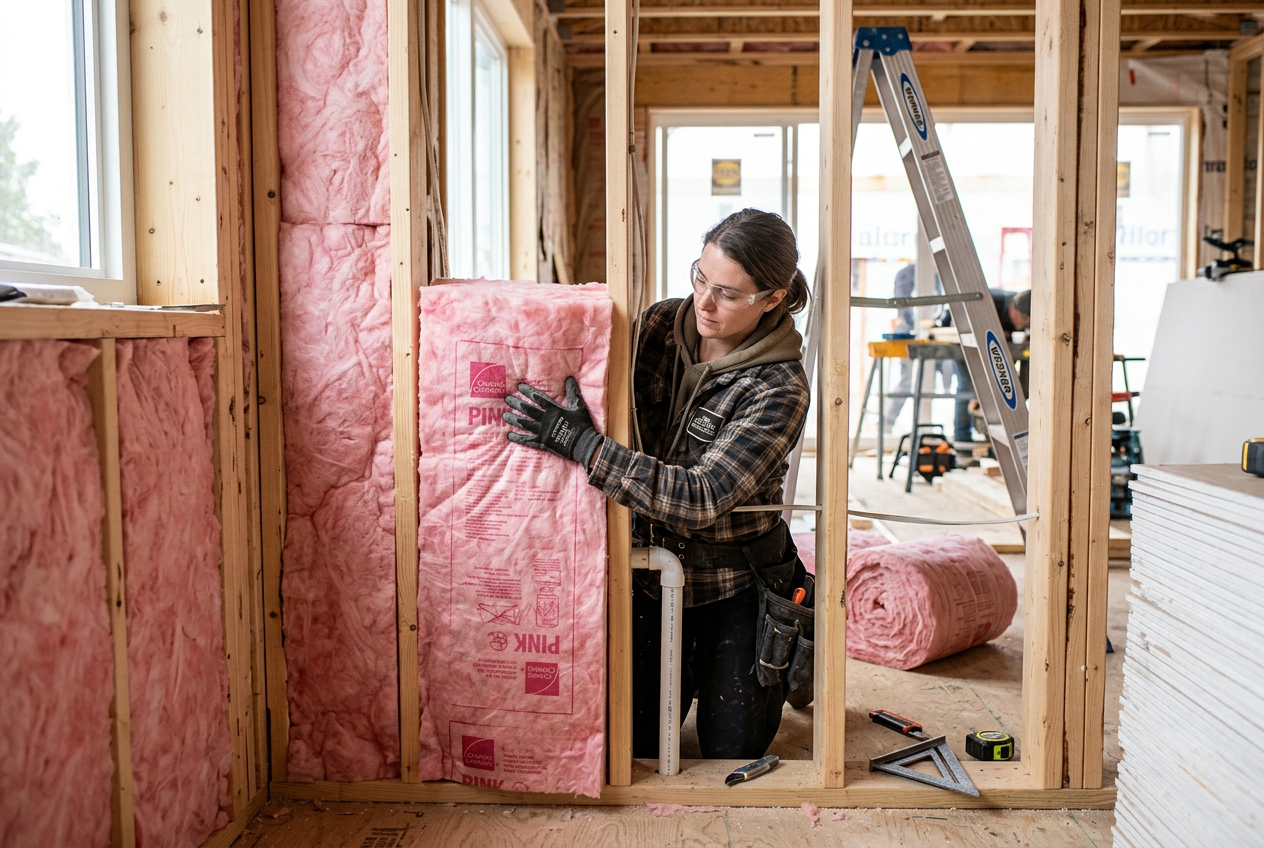
If an insulation installer has done a poor quality job on your home, you're not without options. New Zealand has a range of consumer protections, industry standards, and dispute resolution pathways that can help you get the situation remedied — whether that means a fix, a refund, or compensation.
Start With the Installer Directly
Your first step should always be to contact the installer in writing and clearly describe the problem. Be specific: note what was installed, where, and what the issue is (gaps in coverage, wrong R-value product used, insulation installed upside down, etc.). Keep copies of all correspondence, photos, invoices, and any quotes or specifications agreed before the work started.
Give the installer a reasonable opportunity to inspect the work and remedy the problem. Many disputes are resolved at this stage, especially if the business values its reputation.
Know Your Rights Under the Consumer Guarantees Act
The Consumer Guarantees Act 1993 (CGA) is your most powerful tool. When you hire a tradesperson to carry out services, they must:
- Carry out the work with reasonable care and skill
- Complete it within a reasonable time
- Use materials that are fit for purpose
- Achieve a result fit for the purpose you made known to them
If the installer fails to meet these guarantees, you are entitled to have the problem fixed at no extra cost. If they refuse or can't fix it, you may be entitled to have someone else do the remedial work and claim the cost back, or in serious cases, seek a price reduction or cancellation of the contract.
The Fair Trading Act 1986 also applies if the installer made misleading claims about the product or service — for example, promising a certain R-value outcome that wasn't delivered.
For more detail on your rights, Consumer NZ has excellent plain-English guidance on both Acts.
Check Whether the Work Meets NZ Standards
Insulation installation in New Zealand should comply with the NZ Building Code, particularly Clause H1 (Energy Efficiency). The required minimum R-values vary depending on your climate zone and the type of construction. If the installer used the wrong product or left significant gaps, the work may not meet Code.
For rental properties, the Healthy Homes Standards set specific insulation requirements for ceiling and underfloor insulation. Landlords and their contractors must meet these standards. Tenancy Services outlines exactly what's required.
If you suspect the work doesn't meet Code, you can contact your local council's building department for guidance. In some cases, insulation work may require a building consent — always confirm with your council whether consent was needed for your specific job.
BRANZ is New Zealand's building research authority and publishes technical guidance on correct insulation installation practices — useful if you need an independent reference point.
Get an Independent Assessment
If the installer disputes your concerns, consider getting an independent assessment from another qualified insulation installer or a building inspector. A written report documenting the defects will strengthen your case significantly if you need to escalate the dispute.
Escalate Through Formal Channels
If direct negotiation fails, you have several escalation options:
Disputes Tribunal
For claims up to a certain limit, the Disputes Tribunal (sometimes called the Small Claims Tribunal) is a low-cost, accessible option. You don't need a lawyer, and the process is relatively straightforward. Search for your nearest tribunal through the Ministry of Justice website.
Consumer Protection / MBIE
MBIE Building Performance oversees the building regulatory system and can provide guidance if the work relates to a building consent or Code compliance issue.
Industry Associations
If the installer is a member of an industry body (such as the Insulation Association of New Zealand), you may be able to lodge a complaint with that organisation. Check whether the installer advertises any membership and look up that body's complaints process.
WorkSafe NZ
If the poor installation created a health or safety hazard — for example, disturbed asbestos-containing material in an older home, or a fire risk — contact WorkSafe NZ immediately.
Document Everything
Throughout this process, keep a clear paper trail:
- Before and after photos of the installation
- Copies of your original quote and contract
- Written records of all communications with the installer
- Any independent reports or assessments
- Receipts for any additional costs you've incurred
When to Call a Professional
If the insulation work is clearly defective and the installer won't engage, bring in a qualified, reputable insulation installer to assess and remedy the work. A written assessment from a professional will support any formal complaint or Disputes Tribunal claim. You can find trusted local insulation installers on tradedirectory.co.nz.
Note that while insulation installation itself is not restricted licensed work in the same way as electrical or plumbing, it must still be done competently and to Code. If the poor installation has affected other building elements — for example, moisture issues linked to incorrect installation — you may also need to consult a Licensed Building Practitioner.