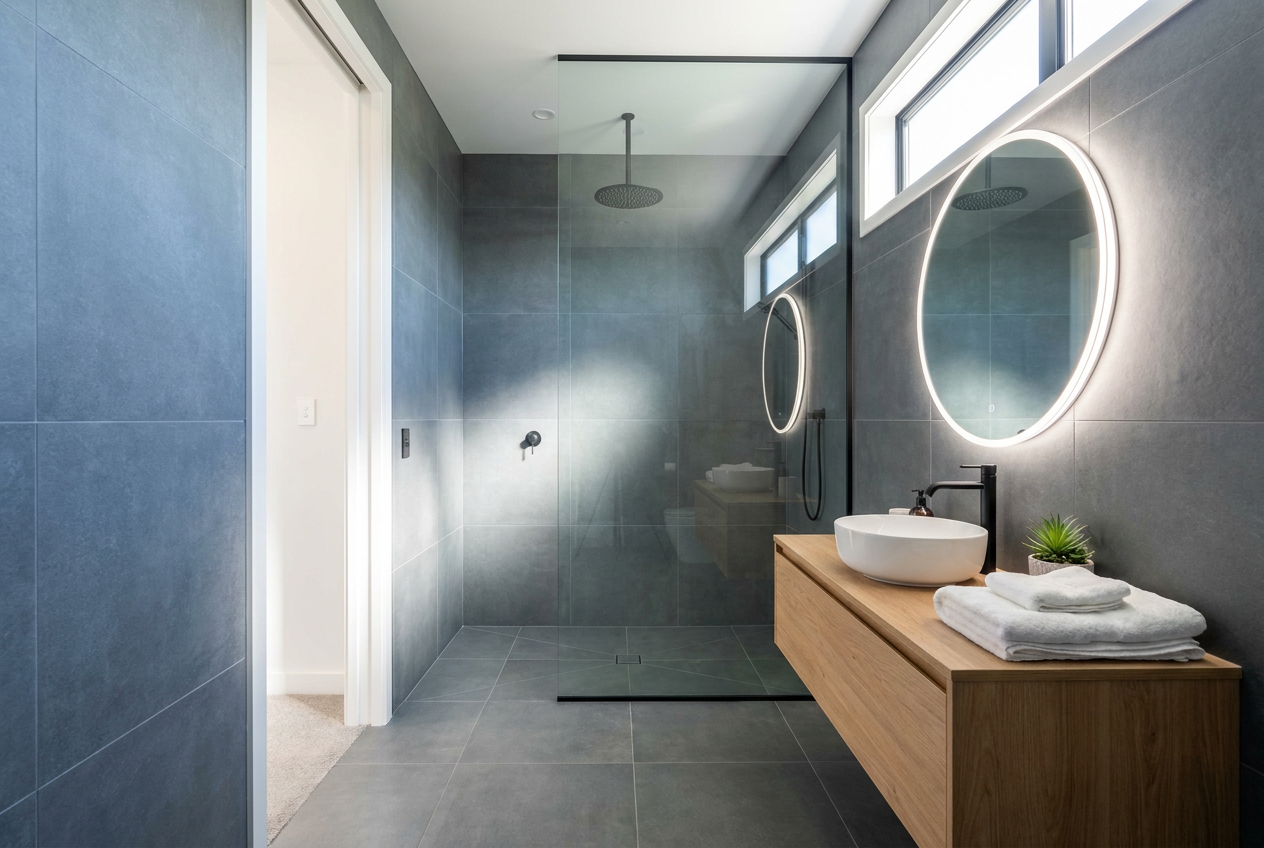
If a waterproofer's work fails in New Zealand, you are not without options. Whether it's a leaking shower, a wet basement, or a failed deck membrane, NZ law provides several avenues to seek repair or compensation — but acting promptly and keeping good records is essential.
Understanding Your Rights Under NZ Law
Waterproofing work is covered by a combination of the Consumer Guarantees Act 1993 (CGA), the Contract and Commercial Law Act 2017, and the Building Act 2004. Under the CGA, any trade service must be carried out with reasonable care and skill, using materials fit for purpose. If the work fails to meet that standard, you are entitled to have it remedied — or, if the failure is substantial, to seek a price reduction or damages.
The Building Act 2004 also provides a 10-year limitation period for bringing claims related to building work, which includes waterproofing. This means you may have recourse even years after the work was completed, provided you act within that window. Always check with a legal adviser about your specific timeframes.
Step 1 — Document Everything
Before taking any formal action, gather as much evidence as possible:
- Photographs and video of the failure, including water ingress, staining, bubbling membranes, or mould
- Original quotes, invoices, and contracts from the waterproofer
- Any warranties or guarantees provided in writing
- Correspondence (emails, texts) with the tradesperson
- Reports from other tradespeople or building inspectors who have assessed the failure
A written assessment from an independent waterproofer or building surveyor can be very useful if the matter goes to dispute.
Step 2 — Contact the Waterproofer Directly
Your first step should always be to contact the original waterproofer in writing, clearly describing the failure and requesting a remedy. Many issues are resolved at this stage. Give them a reasonable timeframe to respond — typically 10–15 working days is fair.
If the business has closed or the tradesperson is uncontactable, your options shift to insurance claims or formal dispute resolution (see below).
Step 3 — Check for Warranties and Insurance
Some waterproofing products carry manufacturer warranties — for example, membrane systems from suppliers like Sika or Ardex may have product guarantees if installed by an approved applicator. Check your paperwork carefully.
Reputable waterproofing contractors often carry public liability insurance and may offer workmanship warranties. If the contractor is a member of a trade association, that body may have a complaints process.
You should also check whether your home insurance policy covers consequential damage from failed waterproofing — for example, damage to flooring or framing caused by water ingress.
Step 4 — Formal Dispute Resolution
If direct negotiation fails, you have several formal options:
Disputes Tribunal
For claims up to $30,000 (or $50,000 by agreement), the Disputes Tribunal is a low-cost, straightforward option. You do not need a lawyer. The Tribunal can order the contractor to remedy the work or pay compensation.
District Court
For larger claims, you may need to pursue the matter through the District Court. Legal advice is strongly recommended at this stage.
Licensed Building Practitioners (LBP) Complaints
If the waterproofer is a Licensed Building Practitioner, you can lodge a complaint with the Licensed Building Practitioners board. LBPs are legally accountable for restricted building work they carry out or supervise, and the board can investigate and impose sanctions.
Building Consent and Council Involvement
If the waterproofing was part of consented building work and the work does not comply with the NZ Building Code (particularly Clause E3 – Internal Moisture), you may be able to raise a complaint with your local council's building department. MBIE Building Performance provides guidance on the Building Code and your rights as a homeowner.
When Is Waterproofing Restricted Building Work?
Certain waterproofing work may intersect with restricted building work (RBW) under the Building Act — for example, where waterproofing is part of broader structural or weathertightness work that requires an LBP. However, internal wet area waterproofing such as shower linings is not automatically classified as RBW. Check with your council or MBIE to confirm whether RBW requirements applied to your specific job. If unlicensed work was done where an LBP was required, this may strengthen your complaint and affect the contractor's liability.
For guidance on what constitutes RBW, visit MBIE Building Performance or speak with your local council.
When to Call a Professional
If you suspect waterproofing failure, do not delay. Water damage to framing, insulation, and linings can escalate quickly and become very costly. Engage a qualified, independent waterproofer or building inspector to assess the damage and provide a written report. This report will be valuable evidence if you pursue a claim.
You can find qualified local waterproofing professionals on tradedirectory.co.nz. Look for tradespeople who are Licensed Building Practitioners or who can demonstrate relevant experience and insurance.
For technical guidance on moisture management and building standards, BRANZ is an excellent NZ-specific resource.

 Site Safe


 SiteWise

 Licensed Building Practitioner (LBP)




