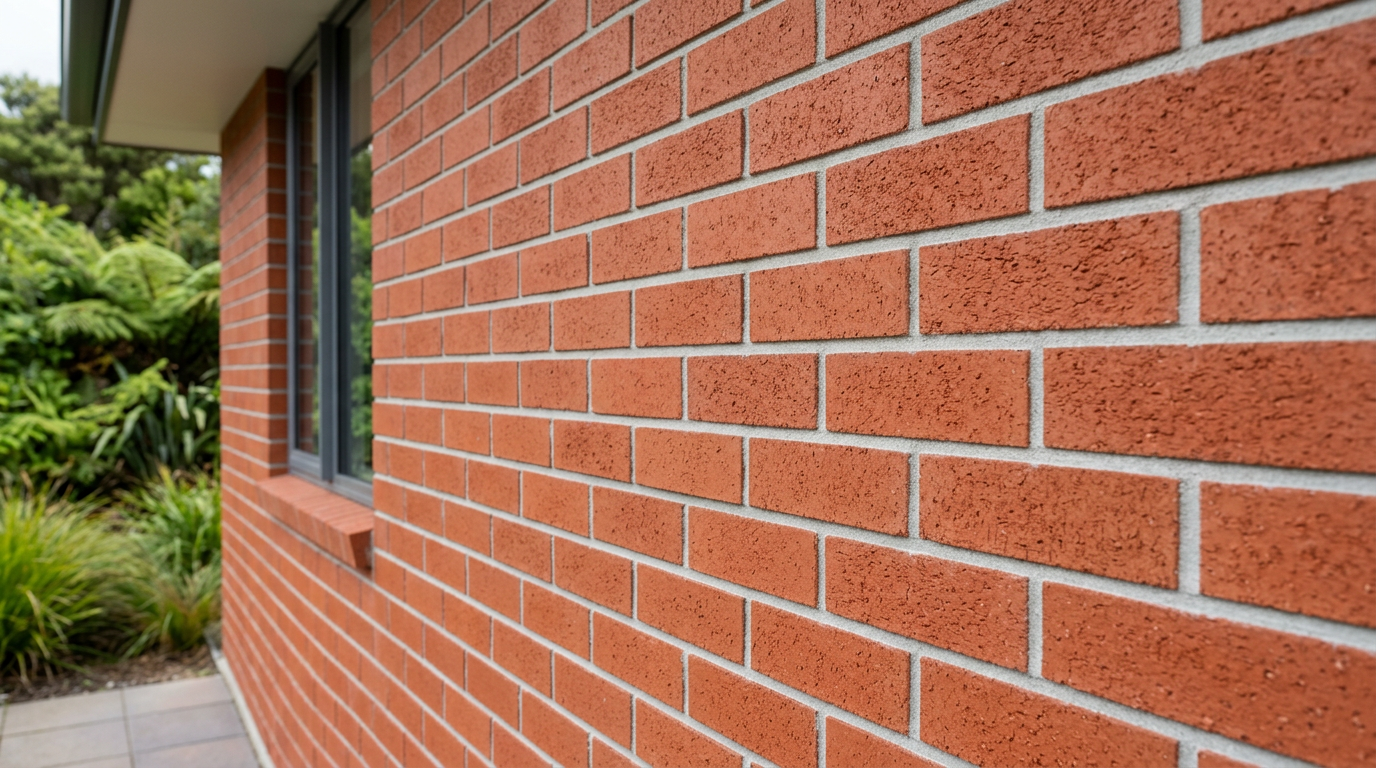
Earthquake strengthening of brick and masonry structures is one of the most technically demanding jobs a bricklayer can take on in New Zealand. Getting it wrong can have serious consequences for your home and your family's safety, so asking the right questions before you hire is absolutely essential. Here's a practical guide to help you have a confident, informed conversation with any bricklayer you're considering.
Why Experience With Earthquake Strengthening Matters
New Zealand sits on the Pacific Ring of Fire, making seismic resilience a genuine everyday concern — not just a box-ticking exercise. Unreinforced masonry (URM) buildings, including older brick homes, are among the most vulnerable structures in an earthquake. Strengthening work must comply with the NZ Building Code and relevant standards, and in most cases will require a building consent from your local council.
A bricklayer working in this space needs far more than general bricklaying skills. They need to understand structural reinforcement, work alongside engineers, and be familiar with current compliance requirements. MBIE Building Performance is a great starting point to understand what the code requires.
Key Questions to Ask About Licensing and Qualifications
- Are you a Licensed Building Practitioner (LBP)? Earthquake strengthening work on residential buildings is typically restricted building work under the Building Act 2004, meaning it must be carried out or supervised by an LBP. Ask for their LBP licence number and check it at Licensed Building Practitioners.
- What is your LBP licence class? Look for a licence in the Brick and Blocklaying or Foundations class, depending on the scope of work.
- Do you work with a structural engineer? Earthquake strengthening almost always requires engineering input. A reputable bricklayer will have an established relationship with a qualified structural engineer and should be able to explain how that collaboration works.
Questions About Specific Earthquake Strengthening Experience
- How many earthquake strengthening projects have you completed in New Zealand? Ask for specifics — how many jobs, what types of buildings (residential, commercial, heritage), and in which regions.
- Have you worked on unreinforced masonry (URM) buildings before? URM strengthening is a specialist area. Experience with standard brickwork is not the same thing.
- Can you provide references from previous earthquake strengthening projects? A confident, experienced tradesperson will be happy to connect you with past clients or show you completed work.
- Have you worked in high-seismic zones? Experience in Wellington, Hawke's Bay, Canterbury, or other high-risk regions is particularly valuable.
- Are you familiar with the relevant NZ standards? Ask specifically about NZS 3604 (timber-framed buildings, relevant where masonry ties into timber structure) and any masonry-specific standards. You can check standards at Standards NZ.
Questions About the Consent and Compliance Process
- Will this work require a building consent? In most cases, earthquake strengthening does require consent. Be cautious of any tradesperson who suggests otherwise without a clear, documented reason. Always confirm with your local council.
- Who will manage the consent application? Some bricklayers handle this themselves; others expect the homeowner or engineer to lead the process. Clarify this upfront.
- How will the work be inspected? Ask about council inspections and what documentation you'll receive at the end, including a Code Compliance Certificate (CCC).
- Will you provide a record of work? LBPs are legally required to provide a Record of Work on completion of restricted building work. Make sure this is included.
Questions About Methods and Materials
- What strengthening methods do you typically use? Common approaches include adding reinforcing rods and grout to existing masonry cavities, installing seismic ties, applying fibre-reinforced polymer (FRP) strapping, or rebuilding sections of wall. Ask them to explain what they'd recommend for your specific situation and why.
- What products and materials do you use? Quality matters. Products from reputable suppliers — including specialist mortars and grouts from brands like Sika or Ardex — are commonly used in structural masonry work. Ask whether the materials specified meet the engineer's requirements.
- How do you handle heritage or character brick? If your home has older or heritage brickwork, ask whether they have experience matching or preserving it during strengthening work.
Questions About Insurance and Risk
- Do you hold current public liability insurance? Ask for confirmation and the coverage amount.
- Are your workers covered by WorkSafe-compliant health and safety practices? Masonry work carries real physical risks. Check WorkSafe NZ for what's expected of contractors on site.
When to Call a Professional
Earthquake strengthening of masonry is not a DIY project. It is restricted building work under NZ law and must be carried out by or under the supervision of a licensed professional. If you're unsure whether your brick home needs strengthening, start with a structural engineer's assessment. You can find qualified bricklayers with earthquake strengthening experience right here on tradedirectory.co.nz.
For further guidance on what makes a building earthquake-prone, BRANZ publishes research and guidance relevant to NZ construction professionals and homeowners alike.


 Licensed Building Practitioner (LBP)





