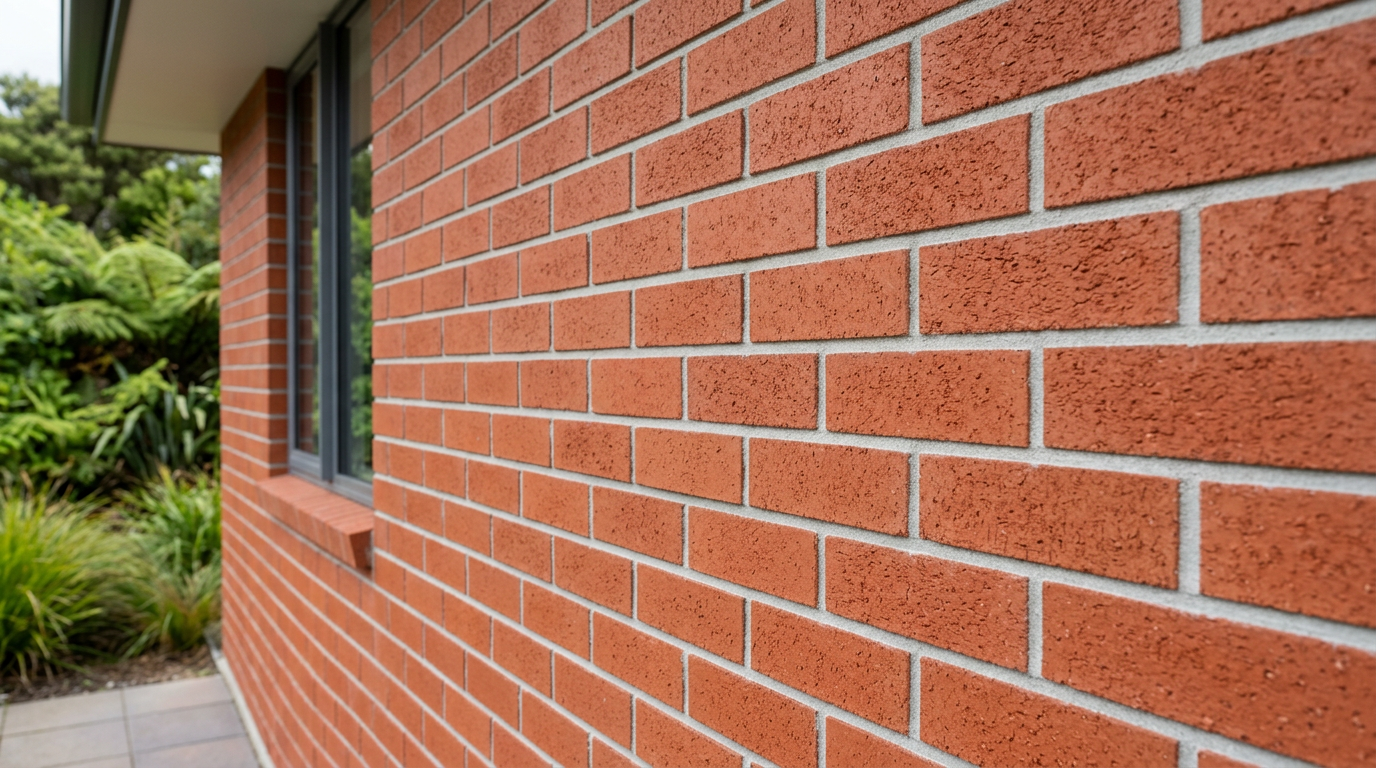
Hiring a bricklayer in New Zealand's earthquake-prone regions is a decision that deserves careful thought. Masonry work in seismic zones must meet strict requirements under the NZ Building Code and relevant New Zealand Standards, and not every bricklayer will have the specific experience needed. Asking the right questions upfront can protect your home, your family, and your investment.
Why Seismic Experience Matters for Masonry
Brick and block construction can be particularly vulnerable in earthquakes if it isn't designed and built correctly. Unreinforced masonry (URM) has been a significant cause of damage and injury in past NZ earthquakes. Modern reinforced masonry — where steel reinforcing bar (rebar) is grouted into the cores of blocks or cavities of brickwork — performs far better, but only when done to the right standard. A bricklayer working in an earthquake-prone district needs to understand these requirements thoroughly.
You can check whether your property sits in an earthquake-prone building (EPB) area through your local council or by reviewing guidance from MBIE Building Performance.
Key Questions to Ask Your Bricklayer
1. Have you worked in earthquake-prone districts before?
Ask for specific examples — suburbs, towns, or regions. Experience in places like Wellington, Hawke's Bay, Marlborough, or Canterbury carries real weight. A bricklayer who has worked through post-earthquake rebuild programmes (such as the Canterbury rebuild) will have hands-on familiarity with seismic detailing.
2. Are you familiar with NZS 4210 and NZS 4229?
NZS 4210 covers masonry construction generally, while NZS 4229 specifically addresses concrete masonry construction in seismic zones. Ask whether your bricklayer has worked to these standards and whether they understand how they apply to your project. You can find information on these standards through Standards NZ.
3. Can you explain how you handle reinforcing and grouting?
In seismic zones, masonry walls typically require vertical and horizontal steel reinforcement grouted into place. Ask the bricklayer to walk you through their process — how they position rebar, how they ensure full grout consolidation, and how they avoid voids. A confident, detailed answer is a good sign.
4. Do you work alongside a structural engineer?
For any significant masonry work in an earthquake-prone zone, a structural engineer should be involved in the design. Ask whether the bricklayer is comfortable working from engineered drawings and whether they have established relationships with local engineers. This collaboration is essential for consent-required work.
5. What building consents will this work require?
Most structural masonry work — including new brick or block walls, retaining walls over certain heights, and repairs to earthquake-damaged masonry — will require a building consent. Ask your bricklayer what consents they expect to be needed and whether they can assist with the application process. Always confirm consent requirements with your local council, as requirements can vary. MBIE Building Performance provides helpful guidance on when consents are required.
6. Are you a Licensed Building Practitioner (LBP)?
For restricted building work — which includes structural masonry — the work must be carried out or supervised by a Licensed Building Practitioner. Ask to see their LBP licence number and check which licence class they hold. The relevant class for bricklaying and blocklaying is Bricklaying and Blocklaying. Verify their licence on the LBP register.
7. Can you provide references from seismic-zone projects?
Ask for references from previous clients in earthquake-prone areas, and follow up on them. Ask those referees specifically about the quality of the work, how the bricklayer handled council inspections, and whether there were any issues identified during the consent process.
8. How do you stay up to date with seismic building requirements?
Building standards and best practice guidance evolve, particularly following major earthquake events. A good bricklayer will mention things like attending industry training, reading updates from BRANZ, or working closely with engineers and building inspectors to stay current.
What to Look for in Their Answers
Use this quick checklist when evaluating responses:
| Question Area | Green Flag | Red Flag |
|---|---|---|
| Seismic experience | Specific projects, locations, details | Vague or evasive answers |
| Standards knowledge | Names NZS 4210 / NZS 4229 confidently | Unfamiliar with these standards |
| Reinforcing process | Clear, step-by-step explanation | Can't explain grouting or rebar placement |
| LBP licence | Current licence, correct class | No licence or unsure |
| Engineer collaboration | Works regularly with engineers | Dismisses need for engineering input |
| Consents | Proactively raises consent requirements | Suggests consents aren't needed |
Understanding Earthquake-Prone Building (EPB) Obligations
If your existing building has been identified as earthquake prone, there are legal timeframes for remediation under the Building Act 2004. Your bricklayer should be aware of these obligations and be able to work within the requirements set by your council and any structural engineer involved. Check your council's EPB register and seek advice from MBIE Building Performance if you're unsure of your obligations.
When to Call a Professional
All structural masonry work in New Zealand is restricted building work and must be carried out or supervised by a Licensed Building Practitioner. This is non-negotiable, particularly in earthquake-prone zones where the consequences of substandard work can be severe. If you're in any doubt about whether your project requires an LBP, a building consent, or structural engineering input, contact your local council before work begins. You can find qualified, experienced bricklayers in your area through tradedirectory.co.nz.
Safety note: Never attempt structural masonry repairs or modifications yourself in an earthquake-prone zone. Incorrect work can compromise the integrity of the entire structure.


 Licensed Building Practitioner (LBP)





