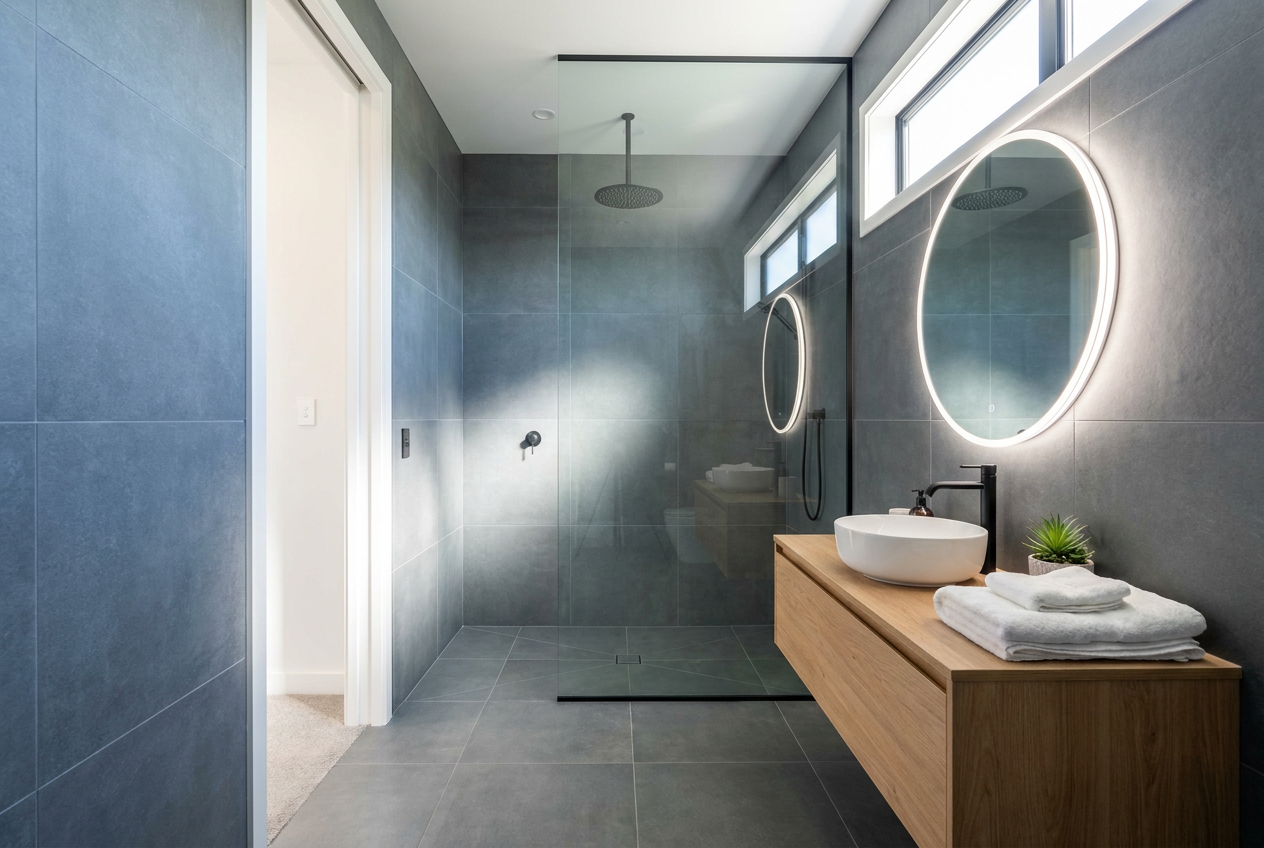
Waterproofing in New Zealand doesn't have one single mandatory licence the way electrical or plumbing work does, but that doesn't mean anyone can do it well. The right qualifications, trade experience, and understanding of the NZ Building Code are essential — especially given New Zealand's leaky-building history and our demanding coastal and high-rainfall climates.
Is Waterproofing Licensed or Restricted Work in NZ?
Unlike electrical or gas work, waterproofing is not classified as restricted building work (RBW) in its own right — but it often forms part of a project that is restricted. For example, waterproofing a deck or wet area that is part of the building envelope or structural system may require a Licensed Building Practitioner (LBP).
Under the Building Act 2004, certain work affecting the weathertightness or structural integrity of a home must be carried out or supervised by an LBP. Waterproofing membranes applied to roofs, decks, balconies, and wet areas attached to the building envelope frequently fall into this category. Always check with your local council and visit MBIE Building Performance to confirm whether your specific project requires an LBP.
What Is an LBP and Why Does It Matter?
A Licensed Building Practitioner (LBP) is someone who has demonstrated competency in a specific area of building work. The LBP scheme is administered by MBIE, and you can verify any practitioner's licence at Licensed Building Practitioners.
For waterproofing, the most relevant LBP licence classes include:
- Roofing — covers membrane roofing and associated waterproofing
- Carpentry — relevant when waterproofing is part of broader structural or cladding work
- Cladding — for external waterproofing systems tied to the building envelope
If your waterproofing project requires a building consent, the LBP must provide a Record of Work on completion, giving you legal protection and documentation for future property sales.
Trade Qualifications to Look For
Beyond LBP registration, look for waterproofers who hold recognised trade qualifications:
- New Zealand Certificate in Waterproofing (Level 3 or 4) — offered through providers like BCITO (now part of Te Pūkenga). This is the most directly relevant qualification.
- New Zealand Certificate in Roofing — applicable for membrane roof waterproofing.
- Manufacturer training and accreditation — many reputable waterproofing product manufacturers require installers to be trained and approved before they'll back their product warranty. Ask whether the tradesperson is accredited by the brand they're using.
Manufacturer Accreditation and Product Knowledge
This is often overlooked by homeowners but is critically important. Products from suppliers like Sika and Ardex have specific application requirements, and an incorrectly applied membrane can void the product warranty entirely — leaving you with no recourse if it fails.
A qualified waterproofer should be able to tell you:
- Which product system they're using and why it suits your substrate
- Whether they are manufacturer-trained or accredited for that system
- What warranty the product carries and whether their workmanship is also warranted
NZ Building Code Compliance
Waterproofing work must comply with the NZ Building Code, particularly:
- Clause E2 (External Moisture) — governs how buildings resist water ingress from outside
- Clause E3 (Internal Moisture) — covers wet areas such as bathrooms, laundries, and showers
A competent waterproofer will be familiar with these clauses and with BRANZ guidance documents, which provide technical detail on acceptable waterproofing solutions. You can explore BRANZ resources at BRANZ.
For wet-area waterproofing specifically, NZS 4858 (Wet Area Membranes) is the key standard. Ask your waterproofer whether their work meets this standard.
What to Ask Before Hiring a Waterproofer
Use this checklist when getting quotes:
| Question | Why It Matters |
|---|---|
| Do you hold an LBP licence? | Required for restricted building work |
| What trade qualifications do you have? | Shows formal training |
| Are you manufacturer-accredited for this product? | Protects product warranty |
| Can you provide a Record of Work? | Required for consented work |
| Do you carry public liability insurance? | Protects you if something goes wrong |
| Can you provide references for similar jobs? | Demonstrates relevant experience |
When to Call a Professional
You should always engage a qualified waterproofer — rather than attempting DIY — when:
- The work involves a roof, deck, balcony, or any part of the building envelope
- A building consent is required (check with your council)
- The area is a wet room such as a shower, bathroom, or laundry
- You are dealing with a leaky building or suspected moisture damage
- The property is a rental, where Healthy Homes Standards may apply — see Tenancy Services for more information
Poor waterproofing is one of the most costly building failures in New Zealand. Getting it right the first time by hiring a properly qualified tradesperson is always the better investment. You can find qualified local waterproofers on tradedirectory.co.nz.

 Site Safe


 SiteWise

 Licensed Building Practitioner (LBP)




