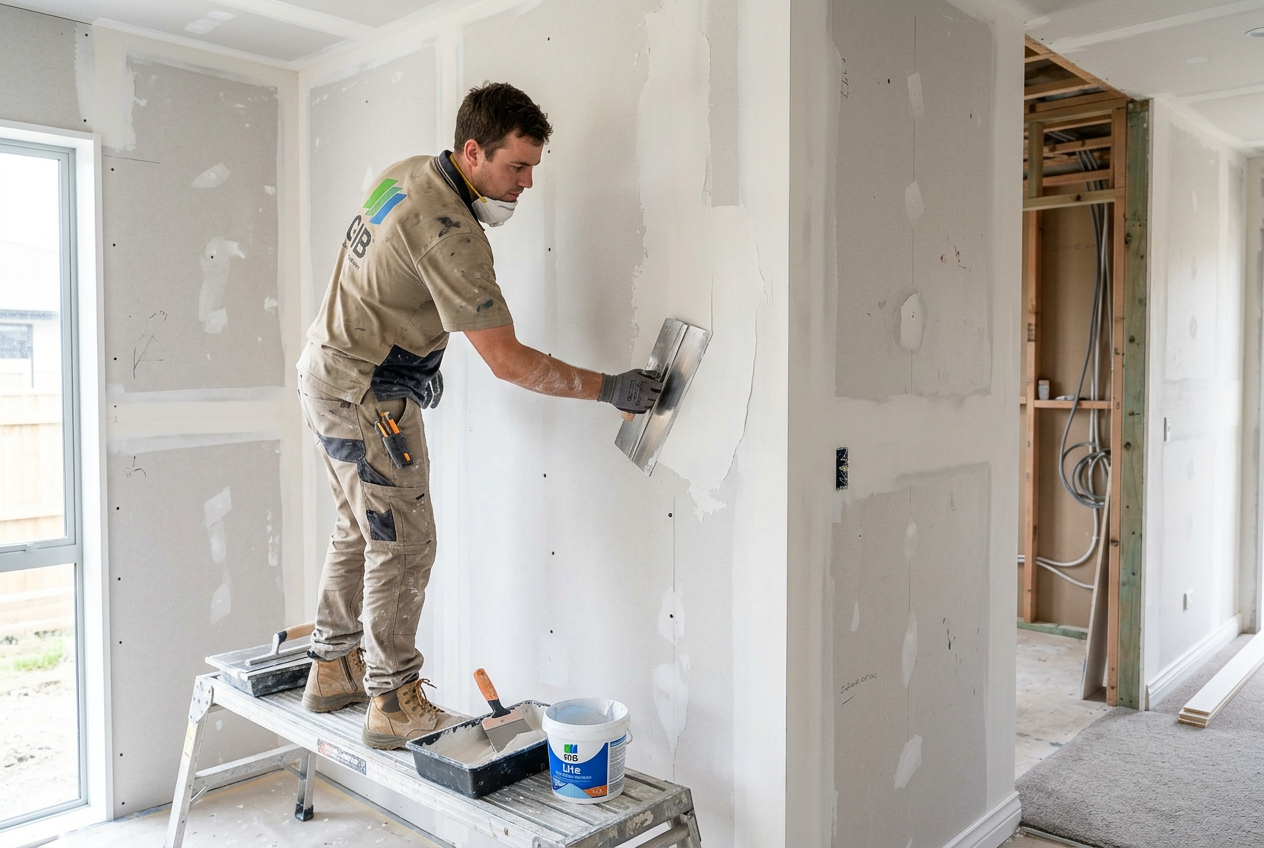
Rendering is not a legally licensed trade in New Zealand the way electrical or plumbing work is, but that doesn't mean any qualifications go. A skilled renderer should hold recognised trade credentials, and in many situations — particularly on new builds or consented work — Licensed Building Practitioner (LBP) registration is either required or strongly advisable. Knowing what to look for before you hire can save you from costly defects and compliance headaches down the track.
Is Rendering a Licensed or Restricted Trade in NZ?
Unlike electrical or gas work, rendering is not restricted work under New Zealand law, meaning there is no single mandatory licence that every renderer must hold. However, certain rendering work carried out as part of a building consent — particularly on weathertight or structural elements — may need to be done or supervised by an LBP. Always check with your local council about consent requirements before work begins.
For context on what restricted building work means and when an LBP is required, the MBIE Building Performance website is the authoritative source.
Trade Qualifications to Look For
A professional renderer in New Zealand should ideally hold one or more of the following:
- New Zealand Certificate in Solid Plastering (Level 4) — This is the primary nationally recognised qualification for renderers and solid plasterers, delivered through providers such as BCITO (now Workforce Development Council aligned). It covers substrate preparation, mix design, application techniques, and finishing.
- New Zealand Certificate in Construction and Infrastructure (Plastering) — A broader construction qualification that may include rendering as a strand.
- Trade Certificate or Apprenticeship completion — Older tradespeople may hold legacy City & Guilds or NZQA unit standard-based certificates from completed apprenticeships, which are still well regarded.
When interviewing a renderer, ask to see their NZQA record of achievement or qualification certificate. A reputable tradesperson will have no hesitation showing you these.
Licensed Building Practitioner (LBP) Registration
The LBP scheme is administered by MBIE and covers specific licence classes. For renderers, the most relevant class is External Plastering. An LBP in External Plastering is authorised to carry out or supervise restricted building work related to the weathertight envelope — which includes many rendering jobs on new homes or major renovations.
If your project requires a building consent and involves the exterior cladding system, hiring an LBP-registered renderer is strongly recommended and may be legally required. You can verify a tradesperson's LBP status on the Licensed Building Practitioners register.
Why Qualifications Matter for Rendering
Rendering is more technically demanding than it looks. Getting it wrong can lead to:
- Moisture ingress and weathertightness failures — a major issue in NZ given our variable climate, from the wet West Coast to the freeze-thaw conditions of Central Otago.
- Cracking and delamination — caused by incorrect mix ratios, poor substrate prep, or applying render in unsuitable weather conditions.
- Non-compliance with NZ Building Code — particularly Clause E2 (External Moisture), which sets performance requirements for cladding systems including render.
Product manufacturers such as James Hardie (who supply fibre cement substrates commonly used with render) and adhesive/render system suppliers like Sika and Ardex publish detailed application specifications. A qualified renderer will follow these to the letter, which is often a condition of the product warranty.
What Experience and Insurance Should They Have?
Beyond formal qualifications, look for:
- Proven experience with the specific render system you're using (e.g., acrylic, cement-based, texture coat, or proprietary EIFS systems).
- Public liability insurance — ask for a current certificate of currency. This protects you if something goes wrong.
- Manufacturer training or accreditation — some render system suppliers run their own applicator training programmes. Ask if your renderer has completed any.
- References and a portfolio — ask to see completed jobs, ideally ones that are a few years old so you can assess how the work has held up.
A Quick Checklist When Hiring a Renderer
| What to Check | Why It Matters |
|---|---|
| NZQA trade qualification | Confirms formal training |
| LBP registration (External Plastering) | Required for consented weathertight work |
| Public liability insurance | Protects you financially |
| Manufacturer system training | Ensures warranty compliance |
| References from past clients | Real-world proof of quality |
When to Call a Professional
While a confident DIYer might tackle small patch repairs, any rendering that forms part of the weathertight envelope of your home should be done by a qualified professional. This includes full exterior re-renders, rendering over new cladding substrates, or any work tied to a building consent. Getting it wrong can void your home insurance, breach the Building Code, and lead to expensive remediation. You can find qualified, local renderers on tradedirectory.co.nz.
For guidance on healthy, dry homes and the role cladding plays, BRANZ is an excellent independent research resource.

 Licensed Building Practitioner (LBP)