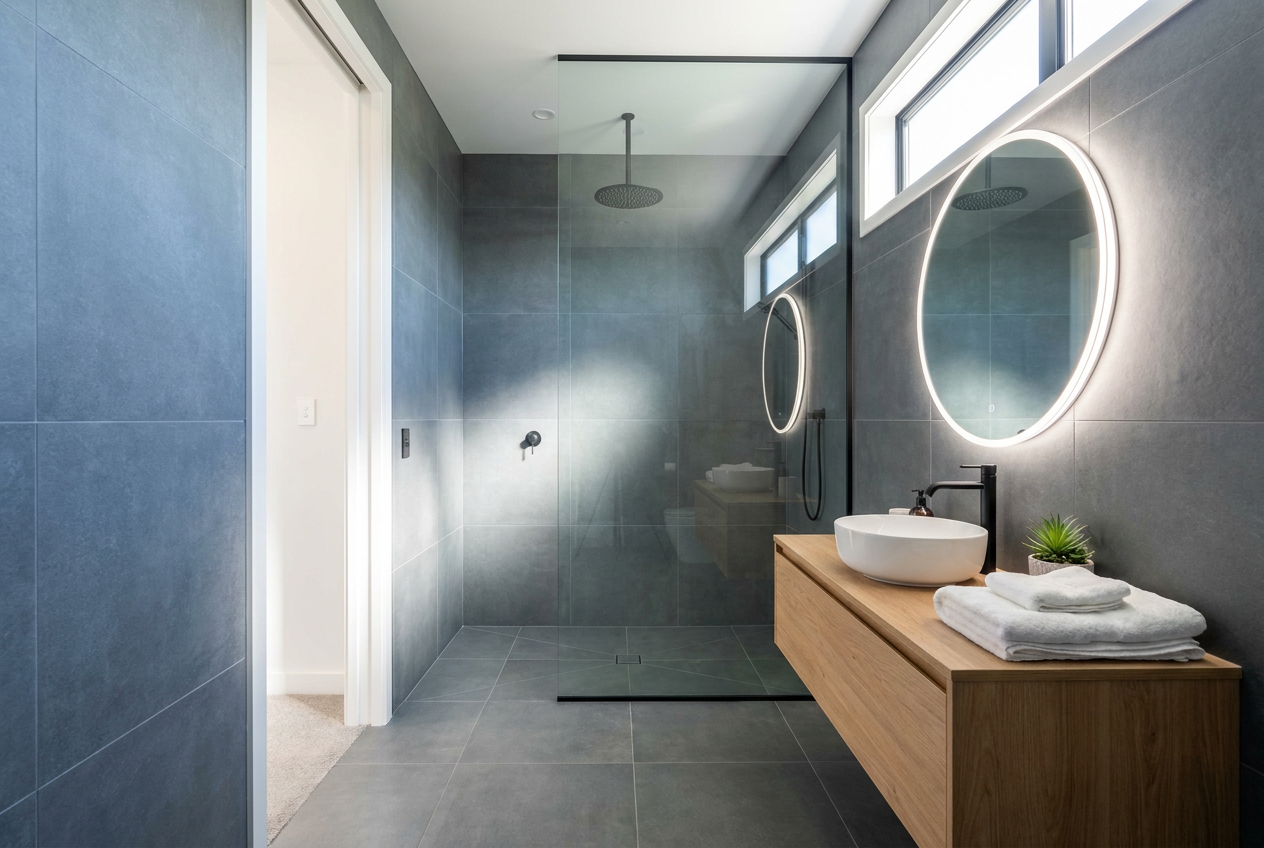
Waterproofing in New Zealand doesn't sit neatly under a single licensed trade category — it depends on where the waterproofing is being applied and what building system it forms part of. In some situations a Licensed Building Practitioner (LBP) is required; in others a licensed plumber or drainlayer may be involved; and in many cases a specialist waterproofing contractor carries out the work under the oversight of a licensed tradesperson or building consent. Understanding who does what will help you hire the right person and stay on the right side of the NZ Building Code.
Why There's No Single 'Waterproofing Licence' in NZ
Unlike electrical or gas work — which are tightly defined restricted trades — waterproofing is treated as a building work activity under the Building Act 2004. This means the licensing requirements depend on the context:
- Is it restricted building work (RBW)? If the waterproofing is part of the weathertight envelope of a habitable building (e.g. a deck membrane over a living space, or wet-area waterproofing in a bathroom that forms part of the structure), it is likely restricted building work and must be carried out or supervised by an LBP.
- Does it involve plumbing systems? Waterproofing around showers, baths, and sanitary fixtures is closely tied to plumbing work, which is a restricted trade under the Plumbers, Gasfitters and Drainlayers Act 2006.
- Is it a commercial or specialist application? Large-scale membrane waterproofing on commercial roofs or below-ground structures may require a building consent and a suitably qualified contractor.
Licensed Building Practitioners (LBPs) and Waterproofing
For most residential waterproofing that forms part of the weathertight envelope, you need an LBP. LBPs are licensed under specific licence classes, and the most relevant ones for waterproofing work include:
- Carpentry — for installing decking systems, flashings, and associated framing
- Roofing — for roof membrane systems and roof-level waterproofing
- External Plastering — for systems like EIFS (exterior insulation and finish systems) that include a waterproof coating layer
There is no standalone 'waterproofing' LBP licence class. Instead, the waterproofing element is captured within the broader scope of the relevant class. If the work is restricted building work, the LBP must provide a Record of Work on completion.
Wet-Area Waterproofing and Plumbing
Internal wet-area waterproofing — such as tanking a shower tray or applying a membrane under tiles in a bathroom — is closely linked to plumbing. While applying a waterproof membrane itself is not always restricted plumbing work, the surrounding work (waste pipes, shower bases, floor wastes) must be carried out by a licensed plumber registered with the Plumbers, Gasfitters and Drainlayers Board (PGDB).
In practice, many tiling and waterproofing contractors work alongside licensed plumbers to ensure the full wet-area installation complies with NZ Building Code clause E3 (Internal Moisture) and relevant plumbing requirements.
When a Building Consent Is Required
Not all waterproofing work requires a building consent, but some does. As a general guide:
| Waterproofing Scenario | Consent Likely Required? |
|---|---|
| Re-waterproofing an existing shower (like-for-like) | Often no (Schedule 1 exemption may apply) |
| New bathroom or wet area in a renovation | Usually yes |
| Deck membrane over habitable space | Usually yes |
| Below-ground tanking (basement) | Usually yes |
| Roof membrane replacement (like-for-like) | Check with your council |
Always confirm with your local council before starting work — Schedule 1 exemptions under the Building Act can be complex, and what qualifies as exempt varies by situation. MBIE Building Performance has useful guidance on when consents are needed.
NZ Building Code Standards That Apply
Waterproofing work must meet the requirements of the NZ Building Code, particularly:
- Clause E2 (External Moisture) — keeping water out of the building envelope
- Clause E3 (Internal Moisture) — managing moisture in wet areas like bathrooms and laundries
- NZS 3604 — timber-framed buildings standard, which includes requirements for decks and weathertightness details
BRANZ publishes technical guidance on waterproofing systems and moisture management that both tradespeople and homeowners will find helpful.
What Homeowners Can Do Themselves
Some minor waterproofing tasks — such as applying a sealant around an external window frame or touching up a small area of roof paint — may fall within what a homeowner can legally do themselves, provided no building consent is required and the work isn't restricted building work. However, getting it wrong can be very costly, particularly given New Zealand's history of leaky building issues.
For anything beyond very minor maintenance, it's strongly advisable to engage a qualified professional.
When to Call a Professional
You should always hire a qualified tradesperson for waterproofing when:
- The work forms part of the weathertight envelope of your home
- A building consent is required
- The waterproofing is in a wet area connected to plumbing fixtures
- You are dealing with a basement or below-ground structure
- The work involves membrane systems on a deck over a habitable space
Look for contractors who can demonstrate relevant experience, hold the appropriate LBP licence class, and work with licensed plumbers where needed. You can find qualified local waterproofing professionals on tradedirectory.co.nz.

 Site Safe


 SiteWise


 Licensed Building Practitioner (LBP)




