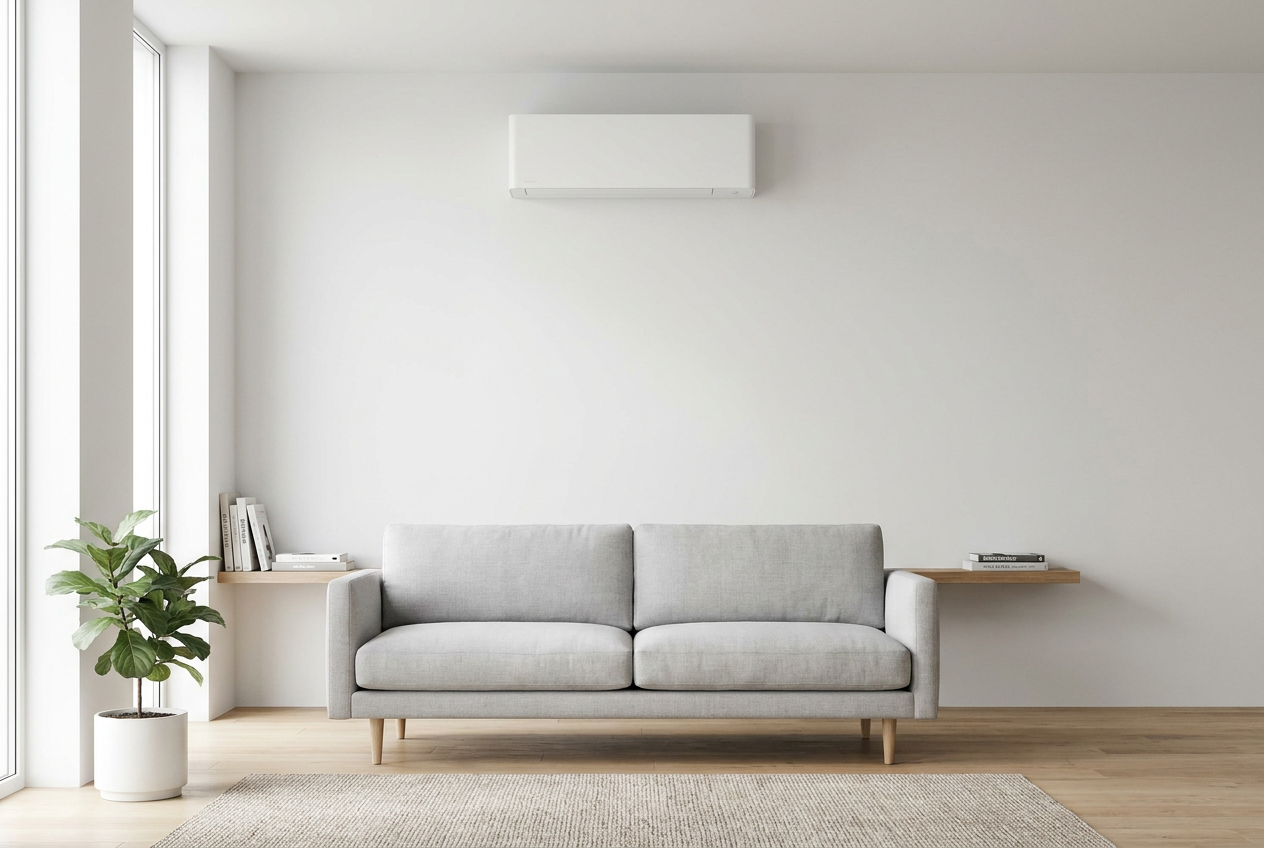
The Healthy Homes heating standard is a New Zealand law that requires landlords to install a fixed, energy-efficient heater capable of warming the main living room of a rental property to at least 18°C. If you're a landlord, property manager, or tenant, this standard almost certainly affects you — and non-compliance can result in significant financial penalties.
What Is the Healthy Homes Standard?
The Healthy Homes Standards are a set of minimum requirements introduced under the Residential Tenancies Act 1986. They cover heating, insulation, ventilation, moisture and drainage, and draught stopping. The heating standard is one of the most important — and most commonly misunderstood — of these requirements.
All private rental properties in New Zealand must comply with the full set of Healthy Homes standards. For detailed information on compliance timelines and requirements, visit Tenancy Services.
The 18°C Heating Requirement
The core rule is straightforward: the main living room must have a fixed heater that can heat that room to at least 18°C on a cold day (based on the World Health Organization's recommended minimum indoor temperature for healthy living).
The required heating capacity is calculated using a formula that takes into account:
- The size (floor area and ceiling height) of the living room
- The level of insulation in the room
- The climate zone the property is located in (New Zealand is divided into three climate zones)
- The number and type of windows and doors
This means a heat pump that's perfectly adequate for a well-insulated flat in Auckland may not meet the standard for a draughty villa in Dunedin. Getting the sizing right matters.
Which Heaters Qualify?
Not all heaters meet the standard. The following fixed heaters are generally accepted:
- Heat pumps (the most common and recommended option)
- Wood burners and pellet fires (must meet clean air requirements)
- Flued gas heaters
- Electric panel heaters (only if they meet the required kilowatt output)
The following heaters do not qualify on their own:
- Portable plug-in heaters
- Unflued gas heaters
- Open fireplaces
- Bathroom heat lamps
Heat pumps are by far the most popular choice because they are energy-efficient, provide both heating and cooling, and are straightforward to size and install. Energywise has useful guidance on choosing efficient heating for your home.
How Is the Required Capacity Calculated?
The required heating capacity (in kilowatts) is worked out using the formula set out in the Healthy Homes regulations. In simple terms:
| Factor | Effect on Required Capacity |
|---|---|
| Larger room | Higher kW needed |
| Poor insulation | Higher kW needed |
| Colder climate zone | Higher kW needed |
| More glazing/doors | Higher kW needed |
A qualified heat pump installer will carry out this calculation for you and recommend a unit that meets or exceeds the required output. It's important not to simply guess — undersizing a heat pump means you won't comply with the standard, and oversizing wastes money.
Does the Standard Affect Homeowners (Not Landlords)?
If you own and live in your home, the Healthy Homes heating standard does not legally apply to you. It is a rental property requirement only. However, the 18°C benchmark is still a useful guide for your own comfort and health, and a correctly sized heat pump is a smart investment for any home.
If you are a landlord, the standard applies to all your tenancies. Compliance statements must be included in new or renewed tenancy agreements.
Compliance Timelines
Compliance deadlines have been phased in over time. As of mid-2024, all private rental properties should already be compliant. If you are unsure about your obligations or current status, check the latest information directly with Tenancy Services or seek advice from a property manager.
Installing a Qualifying Heat Pump
Heat pump installation is restricted electrical work under New Zealand law. This means it must be carried out by a registered and licensed electrician or an authorised heat pump installer — you cannot legally do this yourself. The installer must issue you with a Certificate of Compliance (CoC) for the electrical work.
For more on what constitutes restricted electrical work, see the Electrical Workers Registration Board (EWRB).
A good installer will:
- Calculate the required heating capacity for your specific room and climate zone
- Recommend a suitably sized, energy-efficient unit
- Install and commission the heat pump to manufacturer specifications
- Provide all compliance documentation
Safety note: Never attempt to wire or install a heat pump yourself. Incorrect installation is a serious fire and electrocution risk, and unlicensed electrical work is illegal in New Zealand.
When to Call a Professional
You should contact a qualified heat pump installer if:
- You are a landlord who needs to meet the Healthy Homes heating standard
- You are unsure whether your existing heater qualifies or is correctly sized
- Your current heat pump is not heating the room adequately
- You want to upgrade to a more efficient system
A professional installer will handle the capacity calculation, product selection, installation, and compliance paperwork. You can find qualified local heat pump installers on tradedirectory.co.nz.



 ISO 9001






