In New Zealand, the terms bricklayer and blocklayer are often used interchangeably — and for good reason. Most tradespeople in this field are trained and experienced in both skills. However, there are some genuine differences in the materials they work with, the techniques they use, and the types of projects each speciality suits best.
What Does a Bricklayer Do?
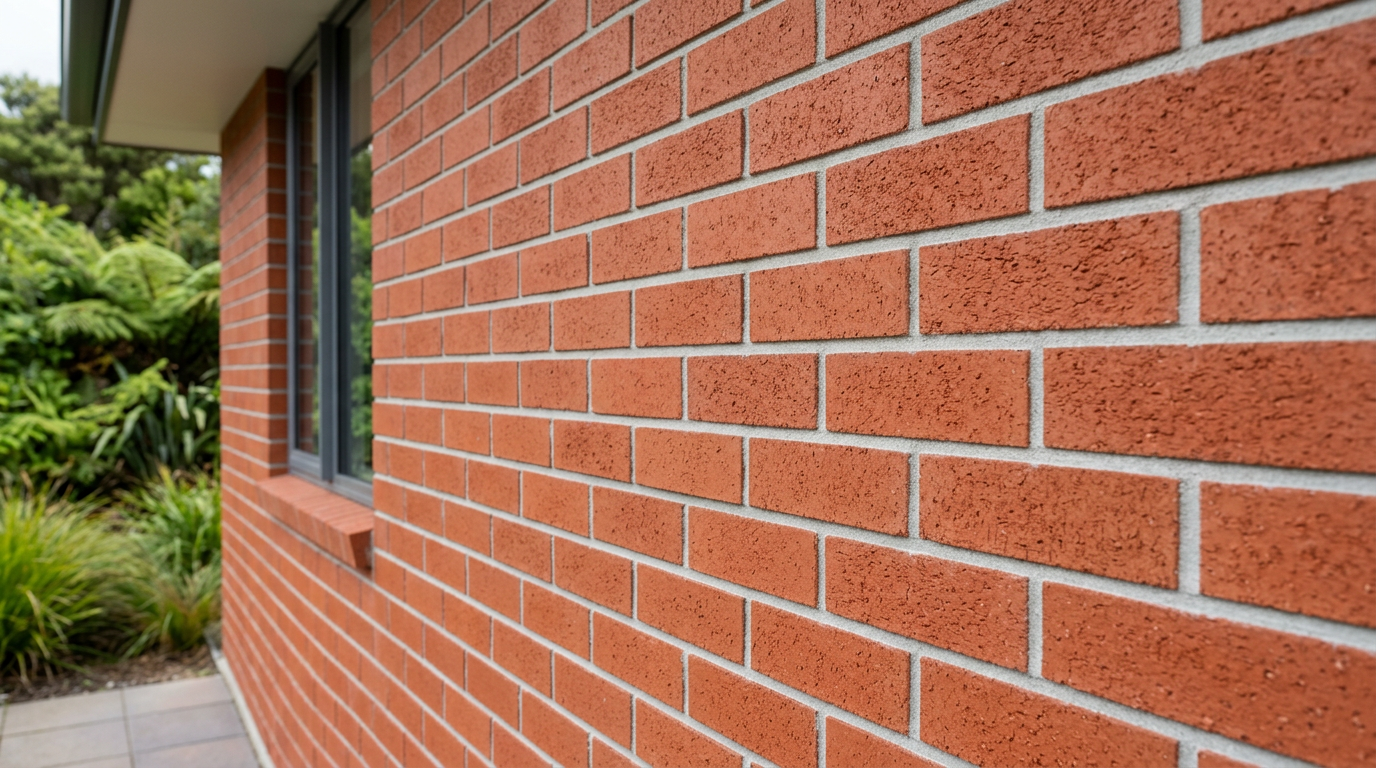
A bricklayer works primarily with clay or concrete bricks — the smaller, solid or cored units most people picture when they think of traditional masonry. In NZ, brickwork is commonly used for:
- Exterior cladding on homes and commercial buildings
- Feature walls and garden walls
- Fireplaces and chimneys
- Paving and pathways (though this is sometimes a separate speciality)
- Decorative or heritage restoration work
Bricklayers mix and apply mortar, lay courses of brick to precise levels and lines, and finish joints to achieve both structural integrity and a tidy appearance. The work requires a good eye, patience, and solid knowledge of how masonry behaves in NZ's varied climate — from the wet, humid conditions in Auckland to the freeze-thaw cycles in Central Otago.
What Does a Blocklayer Do?
A blocklayer works with concrete masonry units (CMUs) — commonly called concrete blocks or blockwork. These are larger, heavier units than bricks, and they're used where strength and mass are the priority. Typical blocklayer work in NZ includes:
- Retaining walls (a very common NZ application given our hilly terrain)
- Foundation walls and subfloor structures
- Boundary and garden walls
- Commercial and industrial buildings where structural blockwork forms the main wall system
- Fire-rated walls in multi-unit developments
Concrete blocks are often reinforced with steel rebar and filled with grout to create reinforced concrete masonry (RCM), which is a structural system governed by NZ standards. This type of work requires careful attention to the NZ Building Code and relevant standards.
Are They the Same Trade in NZ?
In short — mostly yes. In New Zealand, bricklaying and blocklaying are not separately licensed trades. Most practitioners train across both skills and will describe themselves as bricklayers/blocklayers or simply masons. You'll rarely find someone who does only one and not the other.
That said, some tradespeople do specialise. A blocklayer working on large commercial retaining walls or structural masonry buildings may focus almost entirely on blockwork, while a bricklayer doing heritage restoration or decorative feature walls may rarely touch a concrete block.
| Feature | Bricklaying | Blocklaying |
|---|---|---|
| Main material | Clay or concrete bricks | Concrete masonry blocks |
| Unit size | Smaller (e.g. 230 × 110 × 76 mm) | Larger (e.g. 390 × 190 × 190 mm) |
| Common uses | Cladding, fireplaces, feature walls | Retaining walls, foundations, structural walls |
| Reinforcement | Rarely | Often (rebar + grout) |
| Structural complexity | Low to medium | Medium to high |
| Finish focus | High — visible aesthetics matter | Functional, sometimes rendered over |
NZ Building Code and Consent Considerations
Many masonry projects in NZ require a building consent. As a guide:
- Retaining walls over 1.5 metres in height generally require consent — check with your local council as this can vary.
- Structural blockwork forming part of a building almost always requires consent and must comply with the NZ Building Code, including clauses relating to structure (B1) and weathertightness (E2).
- Low garden walls and small decorative brickwork may fall under Schedule 1 exemptions, but always confirm with your council before starting work.
MBIE Building Performance has clear guidance on when consent is required. Your local council is the final authority on this.
For structural masonry, work must also align with relevant NZ Standards — your tradesperson should be familiar with these requirements.
Materials and Suppliers
Both bricklayers and blocklayers source materials from NZ building suppliers. Concrete blocks are widely available through merchants like PlaceMakers and Mitre 10. Mortar, grout, and associated products from manufacturers like Sika and Ardex are commonly used on NZ masonry projects.
When to Call a Professional
You should always engage a qualified bricklayer or blocklayer for:
- Any structural masonry work — retaining walls, foundations, load-bearing walls
- Work requiring a building consent — attempting this without proper skills risks failing inspections and creating liability issues
- Chimney and fireplace construction or repair — these involve fire safety and weathertightness
- Heritage or restoration brickwork — incorrect mortar mixes can permanently damage old brickwork
- Large-scale blockwork requiring reinforcing and grouting
While a confident DIYer might tackle a small, low garden wall, most masonry work benefits enormously from professional experience. Poor mortar mixing, incorrect coursing, or inadequate drainage behind retaining walls can lead to costly failures. BRANZ is a great resource for understanding best-practice construction in NZ.
You can find qualified local bricklayers and blocklayers on tradedirectory.co.nz — look for tradespeople with solid references and experience in the specific type of work you need.


 Licensed Building Practitioner (LBP)





