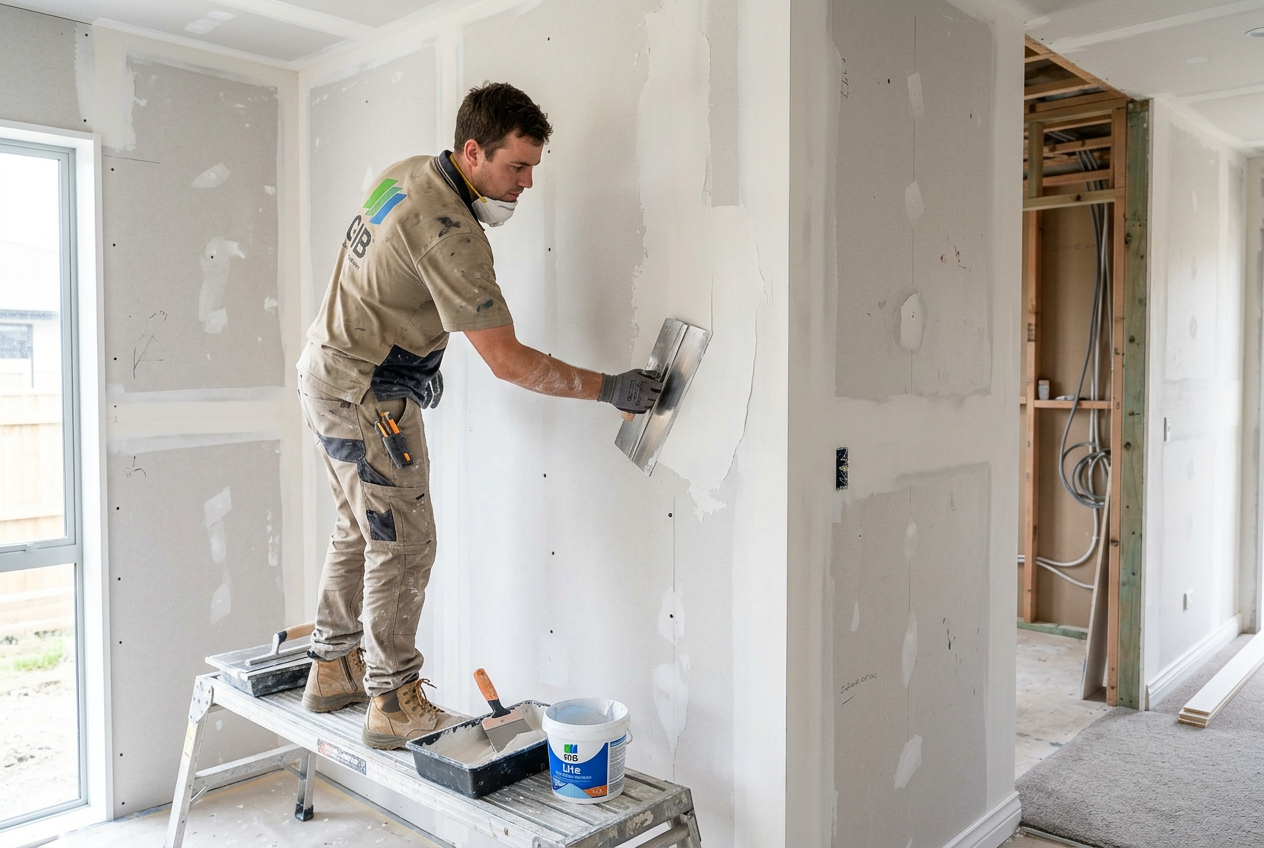
Loose plaster on old lath-and-plaster walls is one of the most common issues found in New Zealand homes built before the 1970s. The good news is that small to moderate areas of loose plaster can often be stabilised and repaired by a capable DIYer — but larger or structurally compromised sections are best left to a qualified plasterer.
Understanding Lath-and-Plaster Construction
Lath-and-plaster walls consist of narrow timber strips (laths) nailed horizontally across the wall framing, with several coats of plaster applied over them. The plaster is keyed into the gaps between the laths as it's applied, forming small 'nibs' that hold everything in place. Over time — due to moisture, vibration, settling, or simply age — these nibs can break, causing the plaster to separate from the laths and feel spongy or hollow when tapped.
Before you start any repair, it's worth understanding how much of the wall is affected. A gentle tap with your knuckles will reveal hollow-sounding areas. Mark these with a pencil so you have a clear picture of the extent of the problem.
Assessing the Damage
Not all loose plaster is the same. Use this rough guide:
| Condition | What You'll Notice | Recommended Action |
|---|---|---|
| Minor looseness | Small hollow spots, plaster intact | Stabilise with plaster washers or injection adhesive |
| Moderate damage | Larger hollow areas, some cracking | Stabilise and patch, or remove and re-plaster section |
| Severe damage | Plaster sagging, laths broken or rotten | Remove and replace — call a professional |
| Moisture damage | Staining, soft plaster, mould | Identify and fix the moisture source first |
If you find mould or significant moisture damage, address the root cause before any plastering work. BRANZ has excellent guidance on moisture management in older NZ homes.
Tools and Materials You'll Need
Step-by-Step: Stabilising Loose Plaster
1. Safety First
Old plaster can contain horsehair (used as a binder) and, in some cases, may have been painted with lead-based paint. Wear a P2 dust mask and safety glasses when disturbing old plaster. If you suspect lead paint, check WorkSafe NZ guidelines before proceeding — you may need to take additional precautions or engage a professional.
2. Secure with Plaster Washers
For areas where the plaster is loose but still largely intact, plaster washers (large-headed metal discs) are one of the most effective and reversible methods:
- Locate the laths behind the plaster by probing gently or using a stud finder.
- Drill pilot holes through the plaster into the laths — be gentle to avoid cracking the surrounding plaster further.
- Drive screws with plaster washers through the plaster and into the laths, pulling the plaster back tight.
- Don't overtighten — you want to draw the plaster snug, not crack it.
- Once secure, fill over the washers with patching plaster or a flexible filler.
3. Injection Adhesive Method
For hollow areas where the laths are still sound, a construction adhesive can be injected through small drilled holes to re-bond the plaster:
- Drill small holes (around 6–8 mm) through the plaster at regular intervals across the hollow area.
- Inject a suitable adhesive (ask your local PlaceMakers branch for a product suited to this application).
- Press the plaster firmly back against the laths and hold with temporary supports or plaster washers while the adhesive cures.
- Fill the drill holes once cured.
4. Patching Damaged Areas
If sections of plaster have already fallen away or need to be removed:
- Cut back to sound plaster using a cold chisel and hammer, working carefully.
- Clean out loose debris and dust.
- Apply a bonding agent (such as diluted PVA) to the exposed laths and edges of existing plaster — this improves adhesion significantly.
- Apply patching plaster in thin coats, allowing each coat to partially dry before applying the next. Rushing this step causes cracking.
- Finish with a fine finishing compound, sand lightly when dry, and prime before painting.
For painting the repaired area, Resene and Dulux both offer suitable interior primers and topcoats compatible with plaster surfaces.
When to Call a Professional
Some situations are best handled by a qualified plasterer:
- Large areas of loose or fallen plaster (more than roughly half a square metre)
- Structural cracking or movement in the wall
- Rotten or broken laths that need replacement
- Suspected lead paint or asbestos (older textured coatings sometimes contained asbestos — if in doubt, have it tested before disturbing)
- You want a seamless, high-quality finish
Plastering is a skilled trade, and a professional will have the right materials, tools, and experience to get a durable result. You can find qualified local plasterers on tradedirectory.co.nz.
Note: General plastering repair work does not typically require a building consent, but if your repairs involve structural elements or significant alterations, check with your local council. MBIE Building Performance has information on Schedule 1 consent exemptions.

 Master Painters NZ member