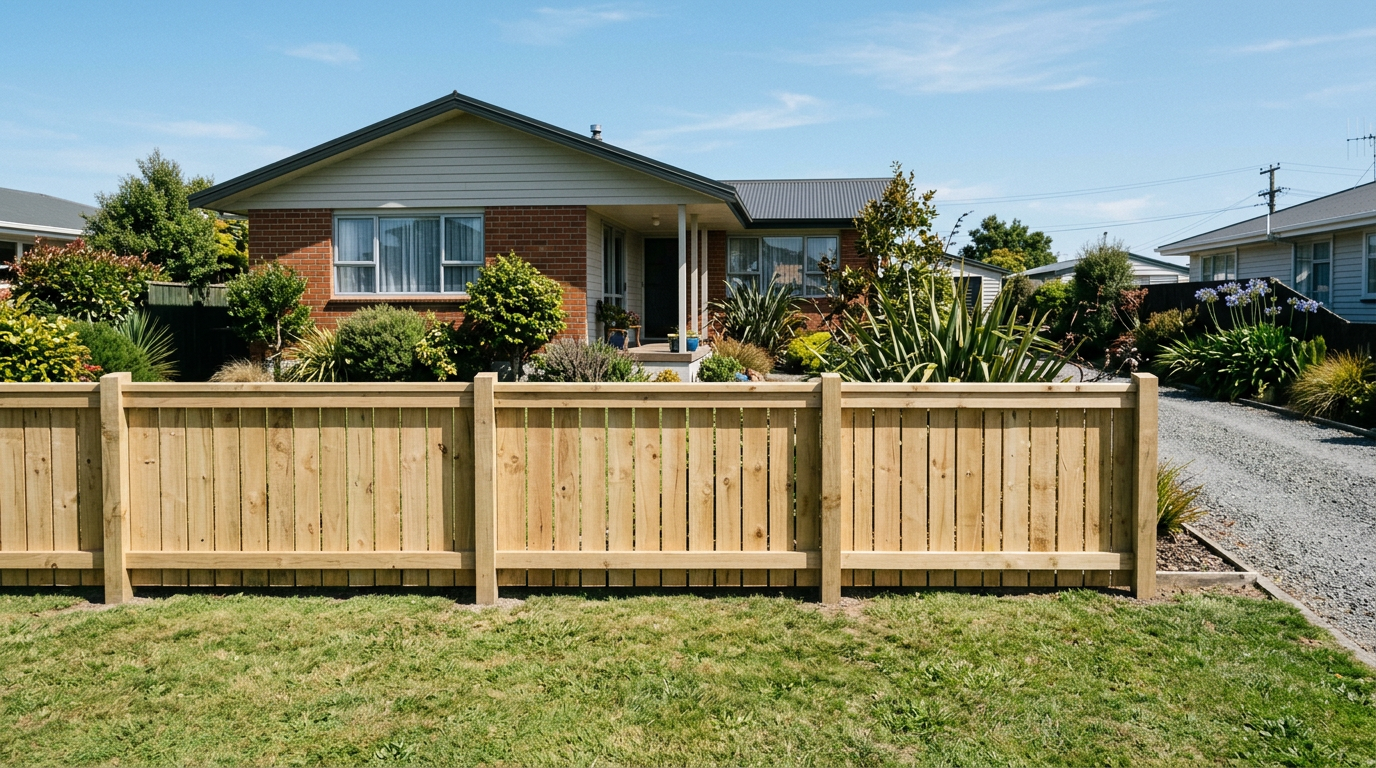
The base of a timber fence is the first place rot takes hold — constant moisture, soil contact, and limited airflow make it the most vulnerable section of any fence. The good news is that with the right preparation and products, you can significantly extend the life of your fence posts and palings at ground level. Here's how to do it properly in the New Zealand context.
Why Ground-Level Sealing Matters
New Zealand's climate — particularly in wetter regions like the West Coast, Northland, and parts of the Waikato — creates ideal conditions for fungal decay and insect attack in untreated or poorly sealed timber. Even in drier areas, soil moisture, lawn irrigation, and seasonal rain mean the bottom 300–500 mm of your fence is almost always damp. Left unprotected, even reasonably good timber can begin to rot within a few years.
Timber decay at ground level is the leading cause of fence failure in NZ, so sealing this zone correctly is one of the best investments you can make.
Step 1: Start with the Right Timber
Before you think about sealants, the timber itself matters enormously. For any part of a fence that is in ground contact or within 150 mm of the ground, the NZ Building Code and good trade practice require timber that is rated for that exposure.
- H4 treated timber is the minimum standard for posts set in the ground in NZ. H4 treatment protects against decay fungi, wood-boring insects, and moisture.
- H3.2 treated timber is suitable for above-ground exterior use but is not adequate for ground contact.
- Always check the treatment stamp on your timber before purchase. You'll find treated options at Bunnings, Mitre 10, and PlaceMakers.
If your existing posts are already in the ground and you're not sure of their treatment level, sealing is still worthwhile — but be realistic that it's a protective measure, not a cure for already-decaying timber.
Step 2: Prepare the Surface Thoroughly
Good preparation is everything. Sealants applied to dirty, wet, or flaking surfaces won't bond properly and will fail quickly.
- Clear the area — pull back soil, mulch, or lawn from the base of the fence to expose the timber at least 50–100 mm above ground level.
- Clean the timber — remove dirt, mould, and old flaking paint or sealant. A stiff brush, water, and a timber cleaner work well. Allow the timber to dry completely — this may take several days in cooler or humid weather.
- Sand or scrape any rough or splintered areas so the sealant can penetrate evenly.
- Check for existing rot — probe the timber with a screwdriver. If it sinks in easily, that section is already compromised and may need replacing rather than sealing.
Step 3: Choose the Right Sealant or Treatment
There are several product types suited to ground-level fence sealing in NZ:
| Product Type | Best For | Notes |
|---|---|---|
| Penetrating timber oil | Above-ground zone near soil | Soaks in, nourishes timber, needs reapplication every 1–2 years |
| Bituminous sealant/paint | Below-ground post sections | Excellent moisture barrier; typically black; not decorative |
| Timber preservative/end-grain sealer | Cut ends and exposed grain | Critical for any freshly cut timber |
| Exterior timber stain with water repellent | Full fence including base | Combines colour and protection; check it's rated for ground-level use |
Bituminous Products
For the section of a post that sits at or just below ground level, a bituminous sealant (sometimes called post black or bitumen paint) is a time-tested trade choice. It creates a tough, waterproof barrier. Apply it to the post from about 50 mm above the soil line down to the base.
Penetrating Oils and Stains
For the visible above-ground section near the base, a quality penetrating timber oil or exterior stain from brands like Resene, Dulux, or Wattyl will repel moisture and UV damage. Always check the product label confirms suitability for exterior ground-level use.
End-Grain Sealing
This is often overlooked but critically important. The end grain of posts and palings absorbs moisture many times faster than the face grain. Apply a dedicated end-grain sealer or at minimum two coats of your chosen timber treatment to any cut ends.
Step 4: Apply and Maintain
- Apply sealants on a dry day with temperatures above 10°C for best results.
- Use a brush rather than a roller at ground level — it forces product into cracks and grain more effectively.
- Apply at least two coats, allowing full drying time between coats as per the manufacturer's instructions.
- Once dry, consider pulling the soil line back slightly from the post base and replacing it with a layer of coarse gravel to improve drainage and airflow — this simple step can dramatically reduce moisture retention.
- Reapply penetrating products every one to two years, or as recommended on the product label. Check the base of your fence each spring.
Avoiding Common Mistakes
- Don't bury untreated or H3.2 timber in the ground — it will rot quickly regardless of surface sealing.
- Don't apply sealant to wet timber — it won't penetrate or bond correctly.
- Don't let soil or mulch pile up against fence palings — this traps moisture and accelerates decay even in treated timber.
- Don't skip the end grain — it's the most important area to seal on any cut piece of timber.
When to Call a Professional
If your fence posts are already showing signs of significant rot, are leaning, or need replacing, it's worth getting a qualified fencer involved. Replacing posts correctly — including setting them at the right depth with appropriate drainage — is a job where experience pays off. A professional fencer will also know the right timber grades and products for your specific site conditions.
Fencing work is generally not restricted work under NZ law (unlike electrical or plumbing), so homeowners can tackle it themselves. However, if your fence is on or near a boundary, check with your local council about any consent requirements — some boundary fences over a certain height may require a building consent, though many are covered under Schedule 1 exemptions. Always confirm with your council before starting.
You can find qualified local fencers on tradedirectory.co.nz.





