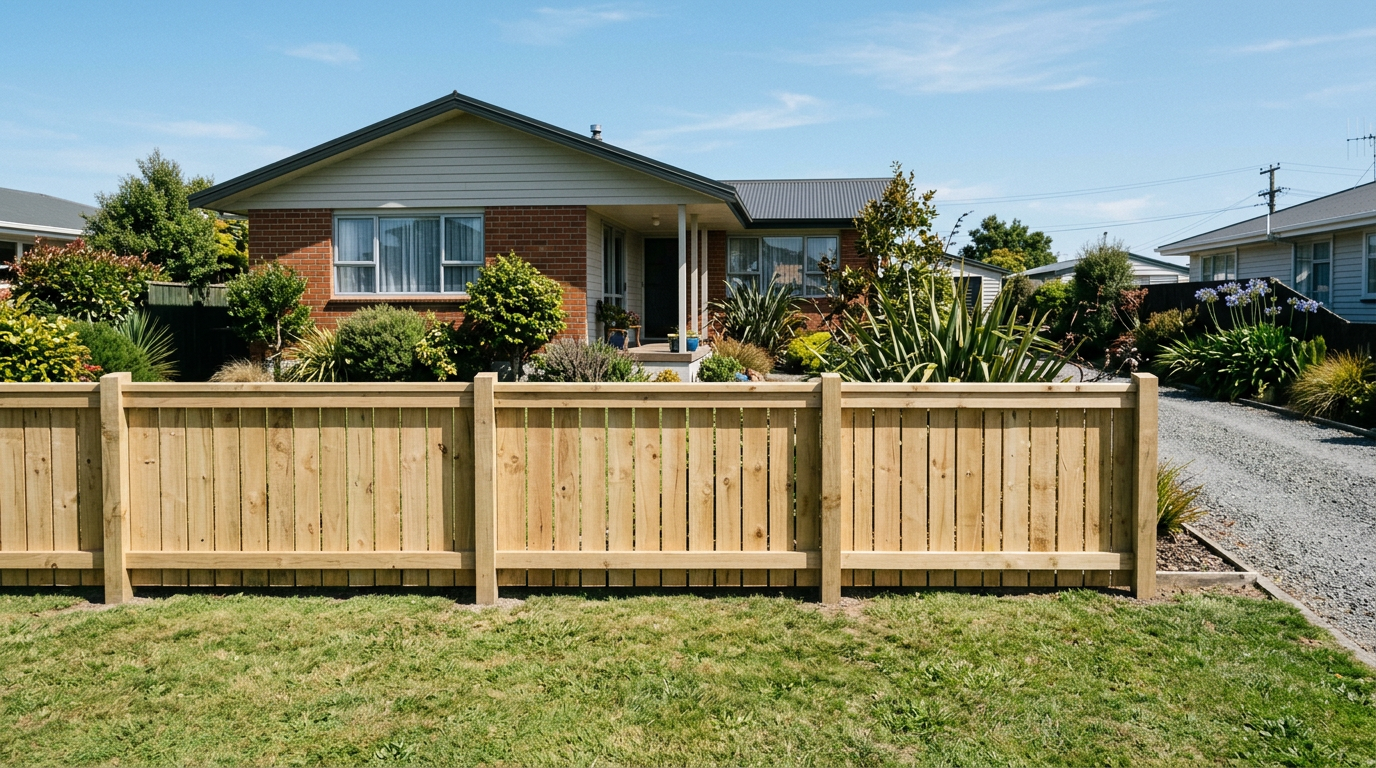
Priming new timber fence palings before painting is one of the most important steps you can take to protect your fence and get a long-lasting finish. In New Zealand's variable climate — with high UV, coastal salt air, and plenty of rain in many regions — a good primer seals the timber, prevents tannin bleed, and gives your topcoat something solid to grip. The short answer: for most new timber palings, a penetrating oil-based primer or a quality water-based timber primer are your best options, depending on the timber species and your chosen topcoat.
Why Priming New Timber Matters
New timber palings — whether pine, macrocarpa, or treated radiata — are often porous and may contain natural resins, tannins, or preservative treatments. Without a proper primer:
- Tannins can bleed through and stain your topcoat
- The timber absorbs too much paint, leading to uneven coverage
- Moisture can get in behind the paint film, causing peeling and rot
- Your topcoat simply won't last as long
New treated timber (H3.1 or H3.2 rated, which is standard for exterior fence palings in NZ) can also be quite wet when freshly purchased. Always check the moisture content before painting — most manufacturers recommend below 18% moisture content. Let new palings dry out for several weeks if needed.
Oil-Based vs Water-Based Primers
| Feature | Oil-Based Primer | Water-Based Primer |
|---|---|---|
| Tannin blocking | Excellent | Good (check product label) |
| Penetration into timber | Very good | Good |
| Drying time | Slower (4–8 hrs) | Faster (1–2 hrs) |
| Clean-up | Mineral turpentine | Water |
| VOC levels | Higher | Lower |
| Topcoat compatibility | Oil or water-based | Water-based preferred |
Oil-based primers have traditionally been the trade favourite for new timber because they penetrate deeply and block tannins very effectively. However, high-quality water-based timber primers have improved significantly and are now widely used by professionals, especially where low-VOC products are preferred.
Recommended NZ Products
Several well-known NZ paint brands offer suitable primers for timber fence palings:
- Resene — Resene Wood Primer is a popular oil-based option for new timber. Resene also offers water-based primers suitable for exterior timber. Their in-store staff are very helpful at matching primer to your specific timber and topcoat.
- Dulux — Dulux 1 Step Sealer Primer Undercoat is a versatile water-based option that works well on new timber. Dulux also offers dedicated exterior wood primers.
- Wattyl — Wattyl Solagard and their timber primer range are well-regarded for exterior NZ conditions.
Always check the product data sheet for your chosen primer to confirm it is suitable for your specific timber type and the topcoat you plan to use. Paint store staff at Resene, Bunnings, or Mitre 10 can advise you on the right system for your project.
Preparing New Timber Palings Before Priming
Good preparation is just as important as the primer itself:
- Let the timber dry — new treated palings can be quite wet. Allow adequate drying time before painting.
- Sand rough surfaces — lightly sand any rough grain or mill glaze with 80–120 grit sandpaper to help the primer penetrate.
- Dust off — wipe down with a dry cloth to remove sanding dust.
- Check for knots — on pine palings, seal any resinous knots with a shellac-based knotting solution before priming, to prevent resin bleed-through.
- Apply primer to all surfaces — including the back, edges, and end grain of each paling. End grain is particularly vulnerable to moisture entry.
Application Tips
- Apply primer on a dry day with mild temperatures — avoid painting in direct hot sun or when rain is forecast within a few hours.
- Use a brush rather than a roller for palings, as it works the primer into the grain more effectively.
- Apply one full coat of primer and allow it to dry completely before applying your topcoat.
- Follow the primer manufacturer's recoat window — applying topcoat too soon or too late can affect adhesion.
NZ Climate Considerations
NZ's climate varies enormously. If you're in a coastal area, look for primers and topcoats specifically rated for salt air exposure. In high-UV regions like Hawke's Bay or Nelson, UV-resistant topcoats are especially important. BRANZ publishes useful guidance on exterior paint systems suited to NZ conditions.
When to Call a Professional
Painting a fence is generally a straightforward DIY job, but there are times when calling in a professional painter or fencer makes sense:
- You have a large fence and want a quality, long-lasting result without the time investment
- You're unsure about the timber species or treatment type and need expert advice on the right coating system
- The fence has existing paint, rot, or damage that needs assessment before repainting
A qualified painter will know exactly which primer system suits your timber and NZ conditions. You can find experienced local fencers and painters on tradedirectory.co.nz.





