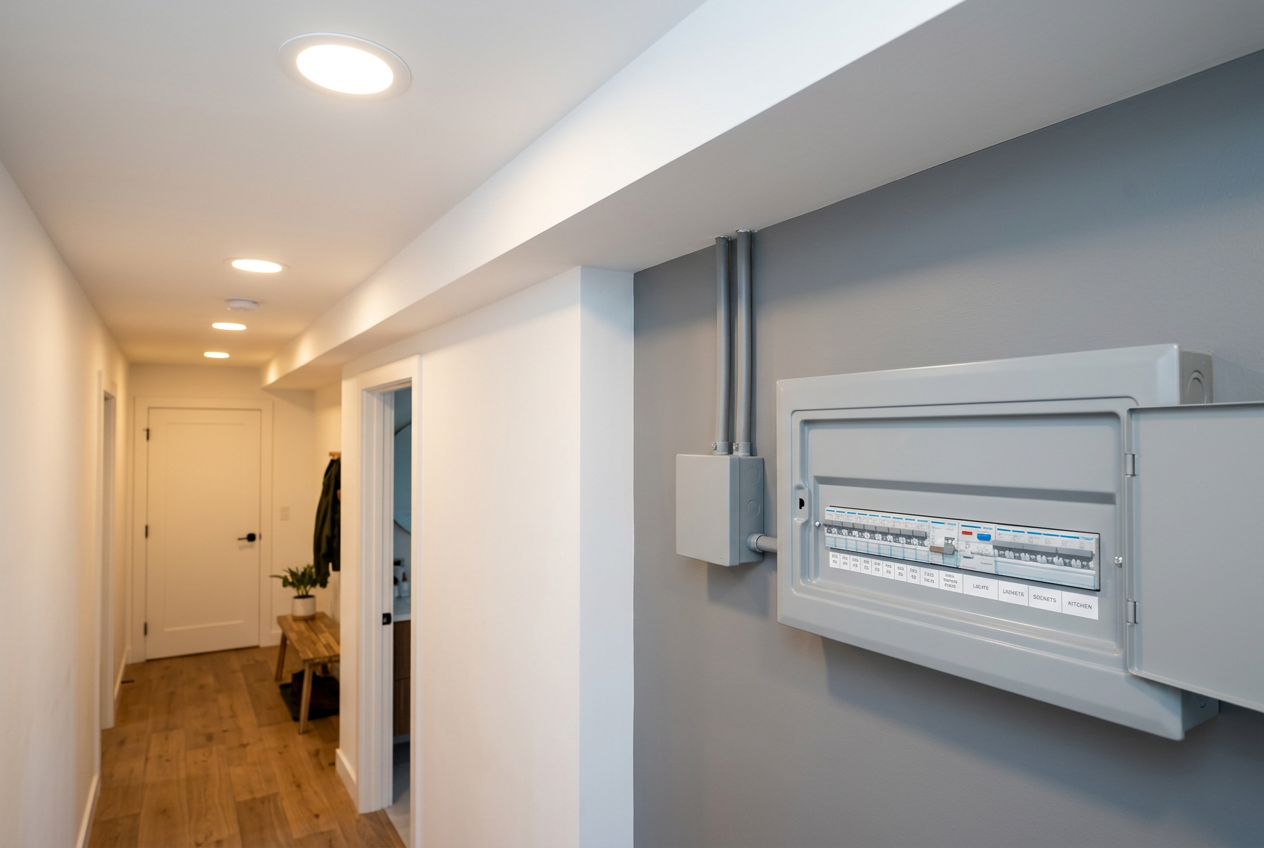
An electrical warrant of fitness (WOF) is a thorough safety inspection of a property's electrical installation carried out by a licensed electrician. While not yet universally mandatory for all NZ homes, it gives homeowners and landlords confidence that their wiring, switchboard, and safety devices are in good working order and comply with New Zealand's electrical safety requirements.
What Is an Electrical WOF?
Unlike a car WOF, there is currently no single nationwide scheme requiring all residential properties to hold an electrical WOF. However, the term is widely used by electricians to describe a comprehensive inspection and testing service. Some councils and insurers may ask for evidence of a recent electrical inspection, and it is increasingly discussed as a future requirement for rental properties under the Healthy Homes standards.
For rental properties in particular, landlords have obligations to ensure their properties are safe, and an electrical inspection is a practical way to demonstrate this.
What Does an Electrician Check?
A qualified electrician will work through your entire electrical installation systematically. Here is what a typical inspection covers:
Switchboard and Consumer Unit
- Condition of the main switchboard (fuse board or circuit breaker panel)
- Whether old-style rewirable fuses are present (these are considered outdated and potentially unsafe)
- Correct labelling of circuits
- Signs of overheating, corrosion, or loose connections
- Presence and correct operation of RCDs (residual current devices) — these are the safety switches that cut power in a fraction of a second if a fault is detected
Wiring and Circuits
- Visual inspection of accessible wiring for damage, deterioration, or incorrect installation
- Checking that wiring meets the requirements of NZS 3000 (the New Zealand Wiring Rules), which is the key standard governing electrical installations
- Identifying any aluminium wiring (common in homes built in the 1960s–70s), which requires special attention
- Testing circuits for correct polarity, earth continuity, and insulation resistance
Outlets, Switches, and Fixtures
- Condition of power points and light switches — cracked faceplates, loose fittings, or scorch marks are red flags
- Correct earthing of metal fixtures
- Safety of any bathroom or outdoor installations, which must meet specific requirements under the NZ Building Code
Safety Devices
- Testing smoke alarms (electricians will note whether hardwired alarms are functioning)
- Checking RCDs trip correctly within the required time using a test instrument
- Verifying any safety switches protecting circuits in wet areas such as bathrooms, kitchens, and outdoors
Hot Water and Fixed Appliances
- Inspection of the hot water cylinder wiring and thermostat connections
- Condition of wiring to fixed appliances such as stoves, heat pumps, and extractor fans
Testing and Documentation
Beyond the visual inspection, a licensed electrician will use calibrated test equipment to carry out electrical testing, including:
- Insulation resistance testing — checks that wiring insulation has not degraded
- Earth loop impedance testing — confirms the earthing system will operate protective devices quickly in a fault
- RCD trip-time testing — verifies safety switches respond within safe limits
At the end of the inspection, you should receive a written report detailing any defects found, their severity, and recommended remedial work. Keep this report — it is useful for insurance purposes and future property sales.
How Long Does It Take and What Might It Cost?
For an average three-bedroom home, an inspection typically takes two to four hours. As a rough guide only, costs can vary significantly depending on the size of the property, its age, and the region — always get a quote from your electrician beforehand. Older homes with more complex or deteriorated wiring will generally take longer and cost more to inspect.
Restricted Electrical Work — What Homeowners Cannot Do
It is important to understand that all electrical inspection and testing work is restricted work under the Electricity Act 1992. This means it must be carried out by a person registered and licensed with the Electrical Workers Registration Board (EWRB). Homeowners are not permitted to carry out, certify, or sign off on electrical inspection work.
After completing any inspection or remedial work, the electrician must issue a Certificate of Compliance confirming the work complies with the Wiring Rules.
Safety note: Never attempt to open your switchboard, test circuits, or interfere with wiring yourself. Electrical faults can cause fires and electrocution. Always use a licensed electrician.
When to Call a Professional
You should arrange an electrical WOF inspection if:
- Your home is 20 or more years old and has never had a formal electrical inspection
- You are buying or selling a property and want peace of mind
- You are a landlord wanting to confirm your rental property is electrically safe
- You notice flickering lights, tripping breakers, burning smells, or discoloured outlets
- Your home still has old ceramic fuses rather than modern circuit breakers
- You are planning a renovation and want to understand the current state of your wiring
A qualified local electrician can carry out a full inspection and provide a written report. You can find licensed electricians in your area on tradedirectory.co.nz.
Sources & Further Reading
- Electrical Workers Registration Board (EWRB) — Licensing and restricted work
- MBIE Building Performance — Electrical safety information
- WorkSafe NZ — Electrical safety in the home
- Tenancy Services — Healthy Homes standards for rental properties
- BRANZ — Research and guidance on NZ building and electrical standards
- Standards NZ — NZS 3000 Wiring Rules

 Site Safe
 Licensed Electrical Inspector







