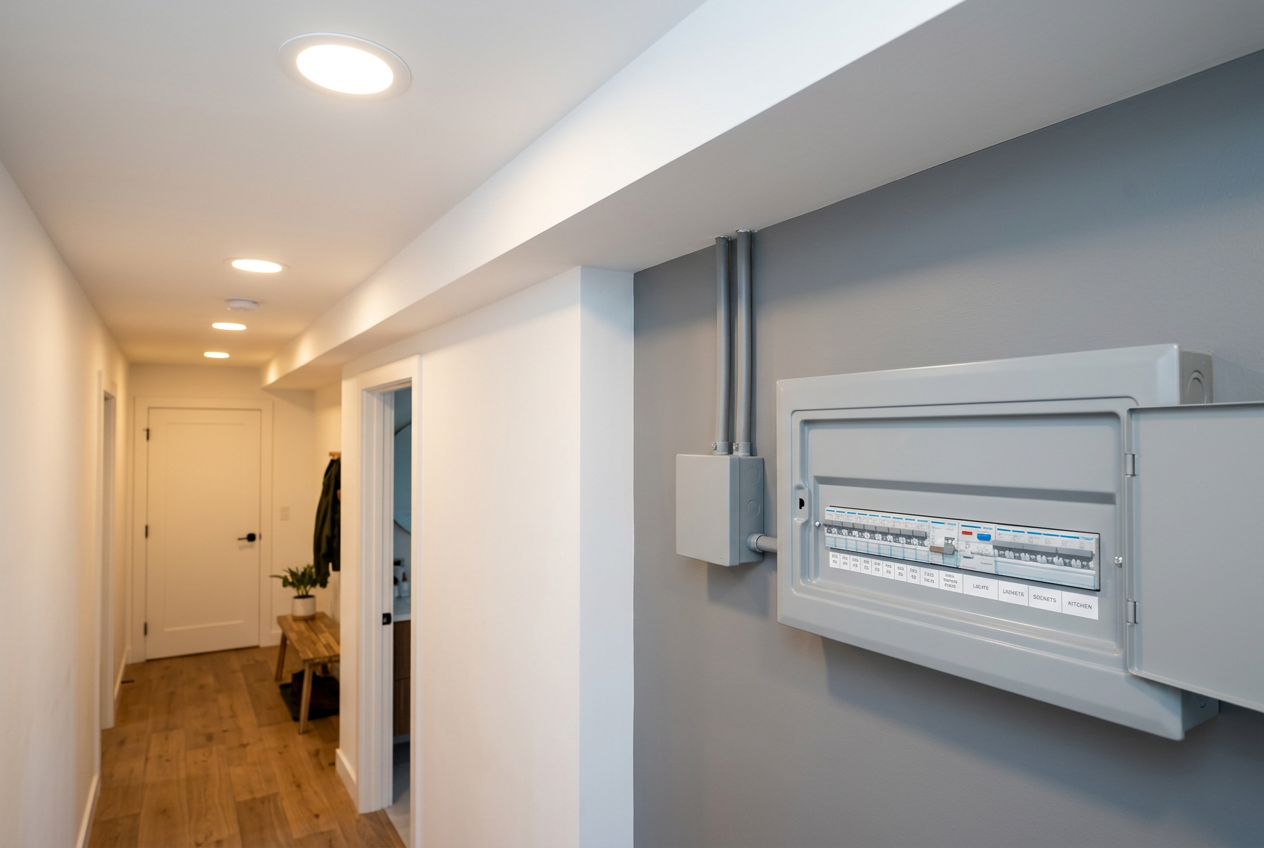
In New Zealand, anyone who carries out electrical work must hold a current licence issued by the Electrical Workers Registration Board (EWRB). This isn't just a formality — it's a legal requirement under the Electricity Act 1992, and it exists to protect you, your home, and everyone in it from the very real dangers of faulty wiring and electrical fires.
What Is the EWRB?
The Electrical Workers Registration Board (EWRB) is the government body responsible for registering and licensing all electrical workers in New Zealand. It sets the standards for competency, handles complaints, and can discipline or cancel the licence of anyone who does substandard or unsafe work. Think of it as the guardian of electrical safety standards across the country.
Types of Electrical Worker Licences
Not all electrical licences are the same. The EWRB issues several classes, and each allows different types of work:
| Licence Class | What They Can Do |
|---|---|
| Registered Electrician | Full range of electrical installation and inspection work |
| Craftsman Electrician | Senior level; can supervise and certify work |
| Electrical Inspector | Inspects and certifies electrical installations |
| Electrical Service Technician | Appliance and equipment servicing (limited scope) |
| Trainee/Apprentice | Can work only under direct supervision of a licensed electrician |
For most household electrical work — rewiring, installing switchboards, adding circuits, or connecting fixed appliances — you need a Registered Electrician or higher.
Why Does the Licence Matter?
It's the Law
Under the Electricity Act 1992, carrying out prescribed electrical work without a licence is illegal. Prescribed work covers virtually all fixed wiring in your home: installing power points, light fittings, switchboards, and more. Unlicensed electrical work can result in significant fines for both the person doing the work and, in some cases, the homeowner who knowingly allowed it.
It Protects Your Home and Family
Faulty electrical work is one of the leading causes of house fires in New Zealand. A licensed electrician has the training to install wiring safely, correctly size circuits and protection devices, and comply with the New Zealand Building Code — particularly Clause G9 (Electricity). MBIE Building Performance provides guidance on how electrical installations must meet these standards.
It Protects Your Insurance
If unlicensed electrical work is found to have caused damage or a fire, your home insurer may decline your claim. This is a significant financial risk that many homeowners don't consider until it's too late.
It Ensures a Certificate of Compliance
When a licensed electrician completes prescribed electrical work, they are required to issue a Certificate of Compliance (CoC). This document confirms the work meets the required standards and is essential if you ever sell your home or make an insurance claim. Without it, you may face costly re-inspection or remediation work.
What Can a Homeowner Do Themselves?
Very little when it comes to fixed wiring. As a homeowner, you are generally permitted to:
- Replace a light bulb or fuse
- Plug in and unplug appliances
- Reset a tripped circuit breaker
You cannot legally do your own wiring, install power points, replace a switchboard, or connect any fixed electrical equipment — even if you feel confident doing so. Always check with the EWRB if you're unsure what's permitted.
Safety note: Electricity can kill. Even work that seems simple — like replacing a light switch — involves live conductors and must be done by a licensed professional. Never attempt prescribed electrical work yourself.
How to Check Your Electrician Is Licensed
Before any work begins, ask your electrician for their licence number and check it on the EWRB public register. This takes only a minute and confirms:
- Their licence is current and not suspended
- The class of work they're authorised to carry out
- Whether any disciplinary action has been taken against them
This simple step can save you enormous trouble down the track.
Electrical Work and Building Consents
Some electrical work requires a building consent in addition to being carried out by a licensed electrician. For example, installing a new switchboard or significant rewiring as part of a renovation may trigger consent requirements. Schedule 1 of the Building Act lists certain exemptions, but these can be complex — always confirm with your local council before starting work. MBIE Building Performance has useful guidance on when consents apply.
BRANZ also provides research and technical guidance on building and electrical standards that both tradespeople and homeowners may find helpful.
When to Call a Professional
You should always call a licensed electrician for:
- Any new wiring or circuit installation
- Switchboard upgrades or replacements
- Installing fixed appliances (ovens, heat pumps, EV chargers)
- Fault-finding and repairs to existing wiring
- Any electrical work as part of a renovation or new build
- Compliance checks before buying or selling a home
You can find qualified, licensed electricians in your area right here on tradedirectory.co.nz. Always ask to see their EWRB licence number and request a Certificate of Compliance on completion of any prescribed work.
Sources & Further Reading
- Electrical Workers Registration Board (EWRB) — licence register and regulatory information
- MBIE Building Performance — NZ Building Code and consent guidance
- WorkSafe NZ — electrical safety in the workplace and home
- BRANZ — independent building research and technical resources
- Consumer NZ — advice on hiring tradespeople and your rights

 Site Safe
 Licensed Electrical Inspector







