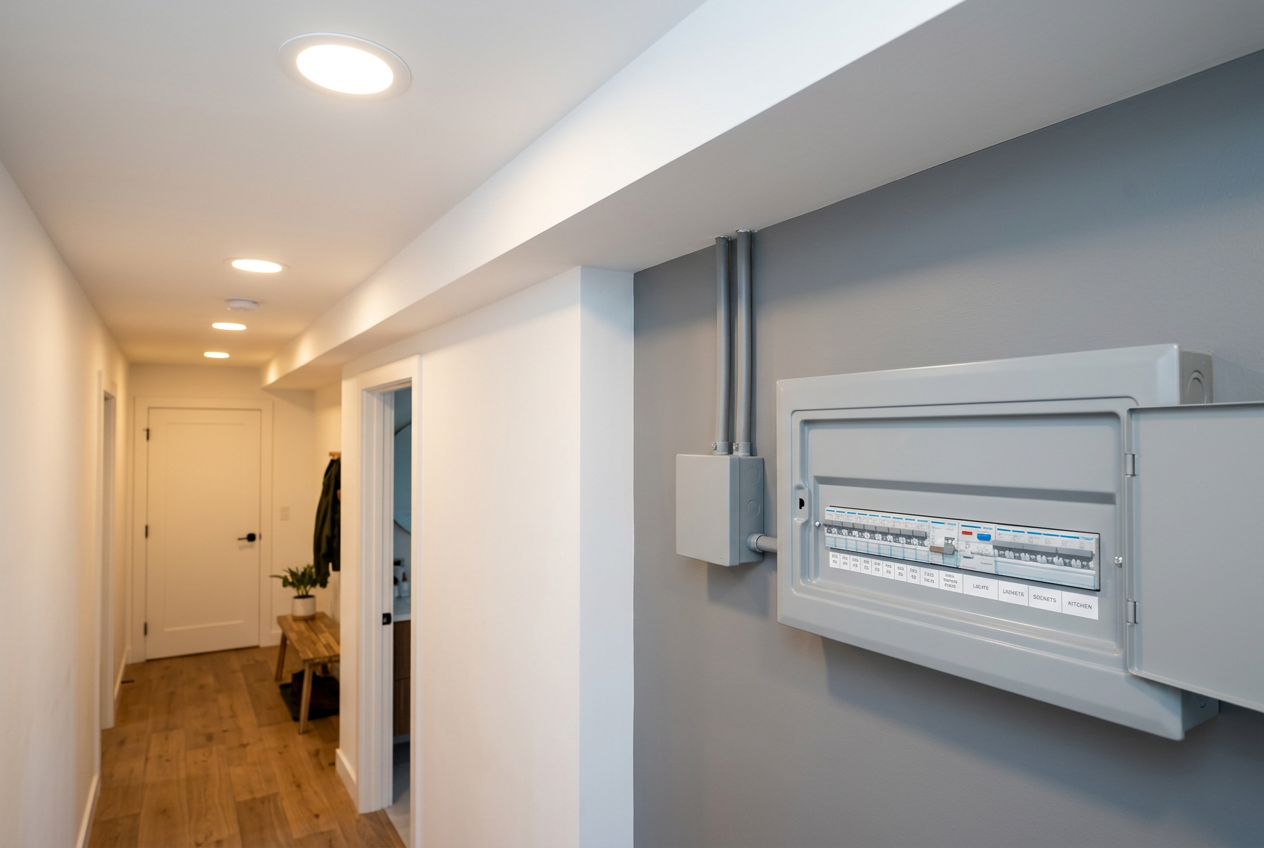
An Electrical Inspector is a qualified person authorised to inspect electrical installations and certify that they comply with New Zealand's electrical safety regulations. In New Zealand, most new electrical work must be inspected and certified before it can be used — this protects you, your family, and your property from the very real risks of faulty wiring.
What Does an Electrical Inspector Actually Do?
An Electrical Inspector visits a property to check that electrical work has been installed correctly and safely, in accordance with the Electricity (Safety) Regulations 2010 and relevant New Zealand standards (primarily AS/NZS 3000, the Wiring Rules). They look at things like:
- Correct cable sizing and routing
- Proper earthing and bonding
- Correct circuit protection (fuses, RCDs, circuit breakers)
- Safe installation of switchboards, outlets, and fittings
- Compliance with the New Zealand Building Code where electrical work intersects with building work
Once satisfied, the inspector issues a Certificate of Compliance (CoC) — a legal document confirming the work is safe and meets the required standards.
Who Can Be an Electrical Inspector?
Electrical Inspectors in New Zealand must be registered with the Electrical Workers Registration Board (EWRB). There are two main types:
- Independent Electrical Inspectors — private inspectors you or your electrician can engage directly.
- Lines company inspectors — some network operators (lines companies) employ their own inspectors, particularly for connections to the network.
Your licensed electrician will usually arrange the inspector, but it's good to understand the process.
When Is an Electrical Inspection Required?
An inspection is legally required for prescribed electrical work — that is, any work that involves installing, altering, or adding to fixed electrical wiring in a building. Common situations include:
| Type of Work | Inspection Required? |
|---|---|
| New house wiring | Yes |
| Rewiring or major alterations | Yes |
| New switchboard or consumer unit | Yes |
| Adding new circuits (e.g. for a heat pump, EV charger) | Yes |
| Installing a new subpanel or outbuilding wiring | Yes |
| Like-for-like replacement of a fitting (e.g. swapping a light fitting) | Generally no |
| Replacing a power point or switch (same location) | Generally no |
The inspector typically needs to visit before the work is covered up (e.g. before walls are lined) so they can see the cables and connections. For larger jobs, there may be a rough-in inspection during the build and a final inspection once everything is complete.
The Certificate of Compliance (CoC)
Once the inspector is satisfied, they issue a Certificate of Compliance. This document is important — keep it in a safe place. You'll need it:
- When selling your home (buyers and their lawyers often ask for CoCs for recent electrical work)
- When making an insurance claim related to electrical faults
- To demonstrate compliance if council or a building inspector asks
If a CoC is not issued for work that required one, the work is technically illegal and could void your home insurance.
What Is Restricted Electrical Work?
In New Zealand, prescribed electrical work is restricted by law — it must be carried out by a licensed electrical worker registered with the EWRB. This includes virtually all work on fixed wiring: installing cables, connecting to the switchboard, adding circuits, and so on.
Homeowners are permitted to do very limited electrical work themselves — essentially only replacing like-for-like fittings such as light fittings or power point covers, provided no new wiring is involved. If in doubt, don't attempt it. Unlicensed electrical work is dangerous and illegal.
Safety note: Faulty electrical work is a leading cause of house fires in New Zealand. Never attempt wiring work yourself unless you are certain it is permitted. Always use a licensed electrician for anything beyond the most basic fitting replacements.
Does Electrical Work Need a Building Consent?
Most electrical work does not require a building consent on its own — it is covered by the electrical inspection and CoC process. However, if the electrical work is part of a larger building project (such as a new room, a sleepout, or a major renovation), a building consent may be required for the building work itself. Your electrician and your local council can advise. Check MBIE Building Performance for guidance on what triggers a consent.
When to Call a Professional
You should engage a licensed electrician for any work involving fixed wiring, switchboards, new circuits, or connections to the mains. Your electrician will arrange the Electrical Inspector as part of the job. If you're unsure whether work was done correctly in the past — for example, if you've bought an older home — you can also engage an inspector independently to check the installation.
You can find qualified, local electricians on tradedirectory.co.nz to help with your project and manage the inspection process on your behalf.

 Site Safe
 Licensed Electrical Inspector







