A Certificate of Compliance (CoC) is a legal document issued by a registered electrician confirming that electrical work carried out on your property meets New Zealand's safety standards. If you've had electrical work done at home — or you're planning some — understanding when a CoC is required could save you from serious legal, insurance, and safety headaches.
What Exactly is a Certificate of Compliance?
In New Zealand, a CoC is issued under the Electricity Act 1992 and its associated regulations. When a licensed electrician completes prescribed electrical work, they are legally required to issue a CoC to the property owner. This certificate confirms the work:
- Was carried out by a registered or licensed electrical worker
- Complies with the relevant New Zealand wiring standards (primarily AS/NZS 3000, known as the Wiring Rules)
- Is safe for use
The Electrical Workers Registration Board (EWRB) oversees the licensing and registration of electricians in New Zealand, and it is their registrants who are authorised to issue CoCs.
What Counts as Prescribed Electrical Work?
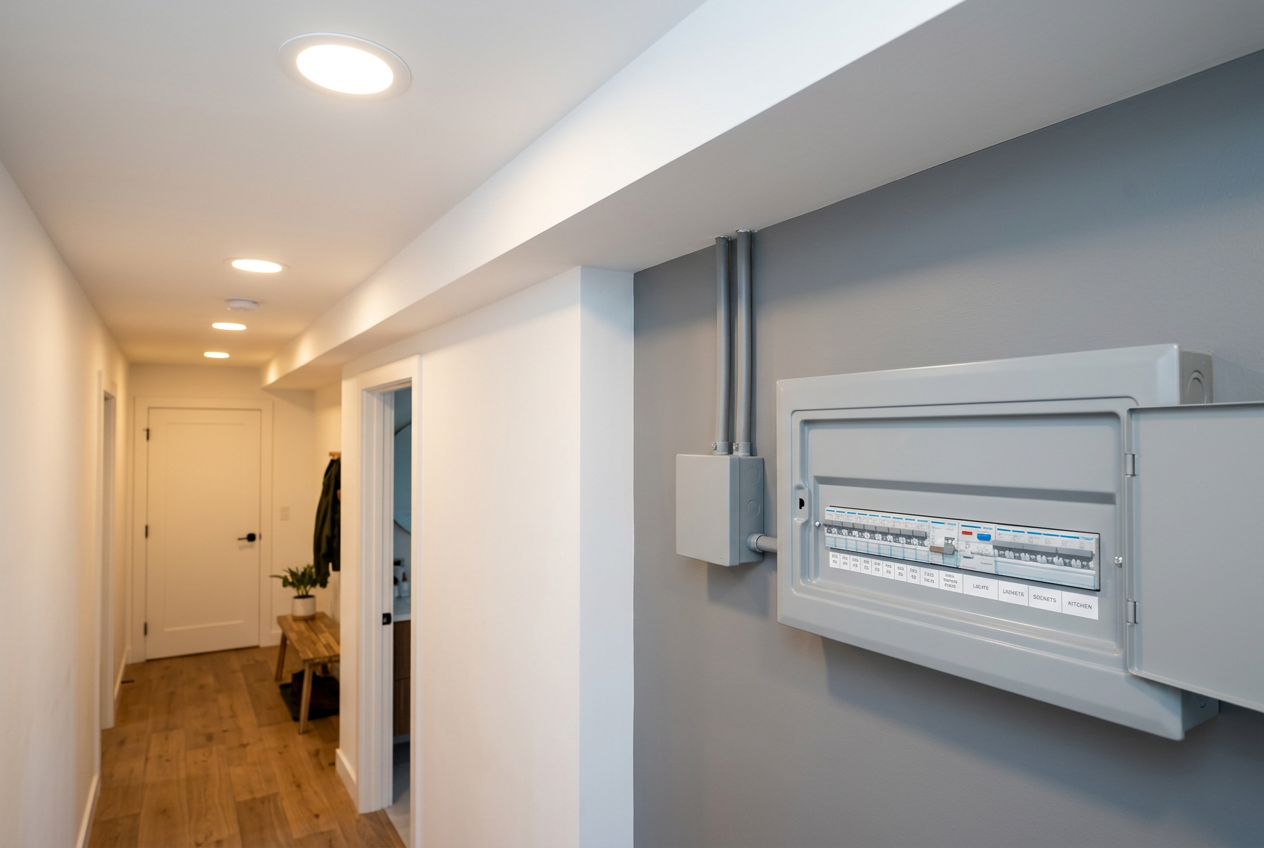
Prescribed electrical work is any work on your fixed electrical installation — the wiring, switchboards, outlets, and fittings that are permanently part of your home. Common examples include:
- Installing or replacing a switchboard or consumer unit
- Adding new power points or light fittings
- Installing a heat pump, electric hot water cylinder, or EV charger
- Wiring a new room, garage, or sleepout
- Replacing damaged wiring
This type of work is restricted work under NZ law, meaning it must be carried out by a registered electrical worker. A homeowner cannot legally do this work themselves, no matter how handy they are.
When is a CoC Required?
A CoC must be issued every time prescribed electrical work is completed. There is no minimum job size — even replacing a single power point requires a CoC. The electrician must provide the certificate to you before or at the time they are paid for the work.
You should receive a CoC in these common situations:
| Situation | CoC Required? |
|---|---|
| New power point installed | Yes |
| Switchboard upgrade | Yes |
| Heat pump wiring | Yes |
| EV charger installation | Yes |
| New home build electrical fit-out | Yes |
| Replacing a light bulb | No |
| Plugging in an appliance | No |
Why Does a CoC Matter?
The CoC is more than just paperwork — it has real practical importance:
- Insurance: Many home insurers require evidence that electrical work was done legally. Without a CoC, a claim related to an electrical fault could be declined.
- Selling your home: Buyers and their solicitors often ask for CoCs for any electrical work done during your ownership. Missing certificates can delay or derail a sale.
- Building consent: For larger projects requiring a building consent, the CoC forms part of the documentation needed to obtain a Code Compliance Certificate (CCC) from your local council. Check with MBIE Building Performance or your council for guidance on when building consent is also needed.
- Safety: The CoC is your assurance the work is safe and won't put your family at risk of electric shock or fire.
What About Electrical Inspections?
For certain types of work — particularly new installations or significant alterations — an inspection by a registered electrical inspector may also be required before the CoC can be issued. Your electrician will arrange this as part of the job. Don't be alarmed if an inspector visits; it's a normal part of the process for larger jobs.
What Can a Homeowner Do Themselves?
Very little when it comes to fixed wiring. As a homeowner, you are generally permitted to:
- Replace a light bulb or fluorescent tube
- Reset a tripped circuit breaker
- Replace a fuse wire (in older fuse boards)
- Connect or disconnect plug-in appliances
Anything involving the fixed wiring of your home — including opening a switchboard — is restricted work and must be done by a licensed electrician. Attempting restricted electrical work yourself is illegal and extremely dangerous.
Safety note: Electricity can kill. Never attempt work on your fixed electrical installation yourself. If you're unsure whether something is restricted work, contact a registered electrician or the EWRB for guidance.
When to Call a Professional
You should always engage a registered electrical worker for any work on your home's fixed wiring. When hiring, ask to see their EWRB registration, and always request your CoC once the job is complete. Keep CoCs in a safe place with your other important property documents.
If you've had electrical work done and never received a CoC, contact the electrician who did the work. If they are unresponsive, you can raise a complaint with the EWRB.
You can find qualified, local registered electricians on tradedirectory.co.nz — a great starting point for getting the right professional for your job.

 Site Safe
 Licensed Electrical Inspector







