A Building Warrant of Fitness (BWOF) is an annual certificate that a building owner supplies to their local council, declaring that the specified systems listed on the building's compliance schedule have been properly inspected, maintained, and are performing as required. It is a legal requirement under the Building Act 2004 and applies to most commercial, industrial, and public buildings in New Zealand — not to ordinary standalone private homes.
What Buildings Need a BWOF?
If a building has a compliance schedule, it needs a BWOF. A compliance schedule is issued by the council when a building contains one or more specified systems — safety-critical building systems that protect occupants. Common examples of buildings that require a BWOF include:
- Office buildings, retail centres, and shopping malls
- Hotels, motels, and apartment buildings above a certain size
- Hospitals, schools, and other public facilities
- Industrial buildings with fire suppression or alarm systems
If you are unsure whether your building needs a compliance schedule and BWOF, check with your local territorial authority (council) or visit MBIE Building Performance for guidance.
What Are Specified Systems?
Specified systems are the safety features and systems recorded on a building's compliance schedule under the Building Act 2004. They are the systems that, if they fail, could put people's lives at risk. Common specified systems include:
| Specified System | Examples |
|---|---|
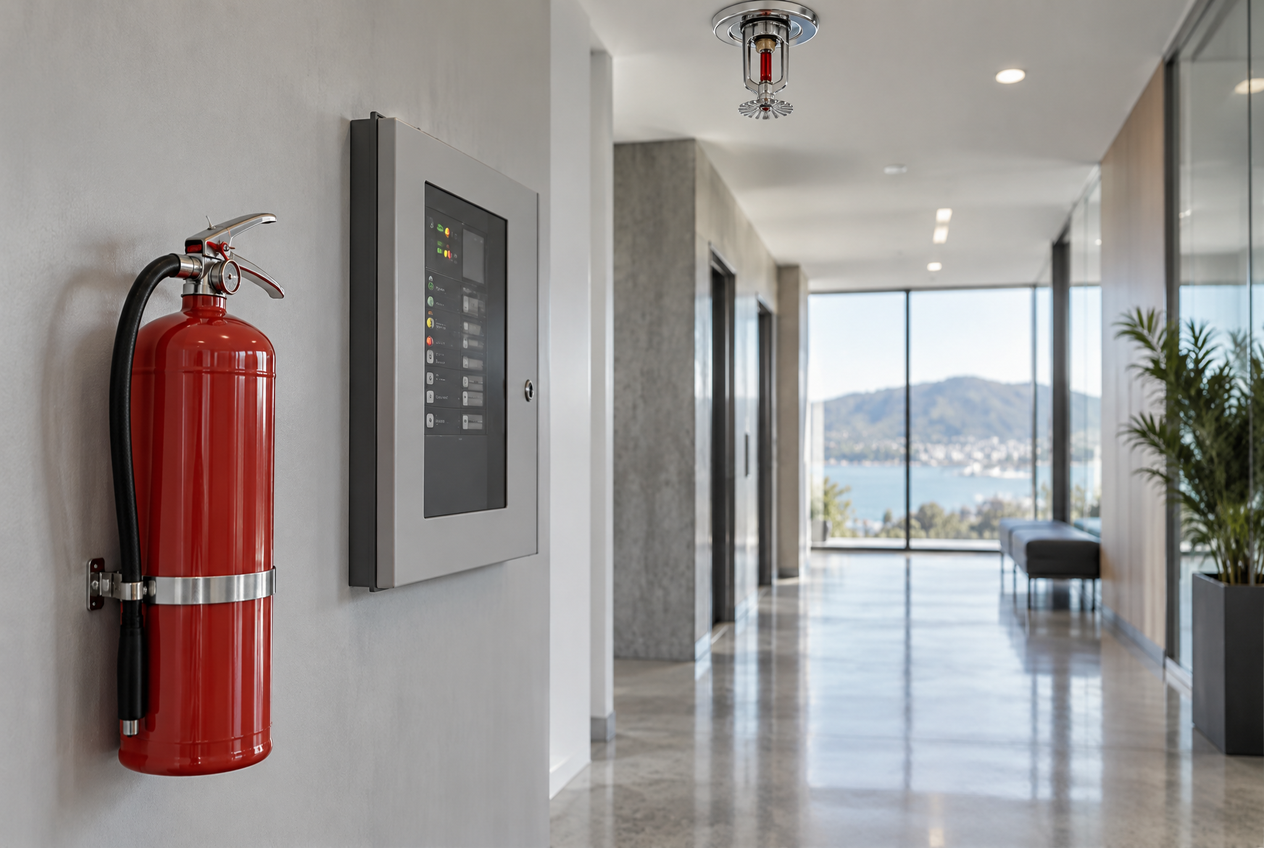
| Automatic fire sprinkler systems | Wet pipe, dry pipe, deluge systems |
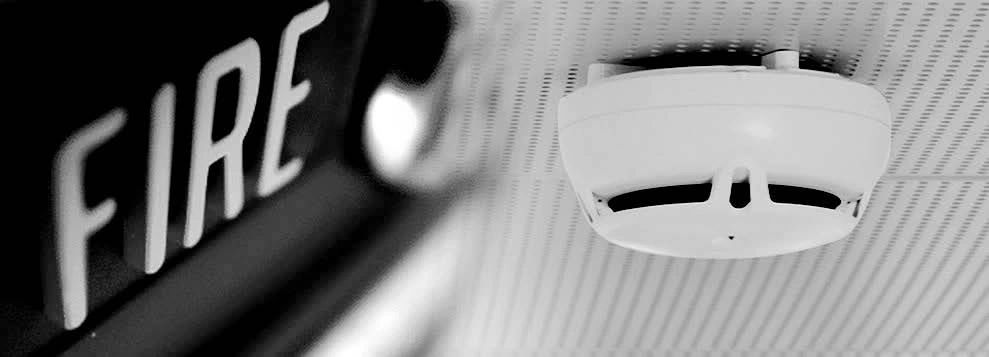
| Automatic fire detection and alarm systems | Smoke detectors, heat detectors, alarm panels |
| Emergency lighting and exit signs | Escape route lighting, illuminated exit signs |
| Fire doors and smoke control | Self-closing fire doors, smoke stop doors |
| Means of escape from fire | Escape routes, final exits, stairwells |
| Mechanical ventilation and air conditioning | Systems affecting smoke control |
| Lifts and escalators | Passenger lifts, firefighter lifts |
Each specified system in a building is assigned a performance standard and an inspection and maintenance protocol in the compliance schedule. These protocols set out how often each system must be checked and what must be verified.
Who Can Sign Off the BWOF?
This is where it gets important. Building owners cannot sign off their own specified systems. Each specified system must be inspected and maintained by a suitably qualified person. For most fire and safety systems, this means an Independent Qualified Person (IQP) — someone who is registered with the local council for the particular type of specified system they are certifying.
The IQP inspects the system, carries out any required maintenance, and issues a Form 12A certificate confirming the system has been checked and is performing to its required standard. The building owner collects the Form 12A certificates from all relevant IQPs and uses them as the basis for signing and supplying the BWOF to the council each year.
For fire protection systems specifically — such as automatic sprinkler systems (covered by NZS 4541) and fire detection and alarm systems (covered by NZS 4512 — confirm the current applicable standard with your fire protection specialist or MBIE) — you will need a licensed fire protection specialist who holds the appropriate IQP registration. MBIE Building Performance and your local council can advise on IQP registration requirements.
Why Is It Required Every Year?
The annual renewal cycle exists because safety systems can degrade, be accidentally damaged, or be altered during building fit-outs and renovations. An annual BWOF cycle ensures:
- Systems are regularly tested and faults are caught early
- Building owners stay accountable for the ongoing safety of their premises
- Occupants and the public can trust that the building's safety systems are functional
- The council has an up-to-date record of each building's safety status
The BWOF must be publicly displayed in a prominent place in the building — usually near the main entrance — so occupants and visitors can see it. Failure to display a current BWOF, or supplying a false BWOF, can result in significant penalties under the Building Act 2004.
What Happens If a System Fails Inspection?
If an IQP finds that a specified system is not performing to its required standard, they cannot issue a Form 12A certificate for that system. The building owner must arrange for the fault to be rectified before the certificate can be issued. In serious cases, the council may issue a notice to fix or take enforcement action. It is far better — and safer — to address maintenance issues proactively rather than wait for an annual inspection to uncover problems.
Fire Safety and the BWOF
Building Code Clause C covers protection from fire, and many specified systems exist specifically to meet those requirements. Fire doors, for example, must never be wedged or propped open — doing so can void compliance and put lives at risk. Escape routes must always be kept clear and unobstructed. Fire and Emergency New Zealand (FENZ) provides excellent general fire-safety guidance for building occupants and owners.
For residential rental properties, note that smoke alarm requirements are separate from the BWOF regime — they are governed by the Residential Tenancies Act. Check Tenancy Services for the current rules on smoke alarms in rental homes.
When to Call a Professional
If your building has a compliance schedule, you should engage a licensed fire protection specialist and other relevant IQPs well before your BWOF renewal date. Do not leave it to the last minute — if a system needs repair or replacement, that work takes time. A qualified fire protection specialist can:
- Review your compliance schedule and identify all specified systems
- Carry out inspections and maintenance to the relevant NZ Standards
- Issue Form 12A certificates for the systems they are registered to certify
- Advise you on any upgrades or remedial work required
You can find qualified local fire protection specialists and other tradespeople on tradedirectory.co.nz.