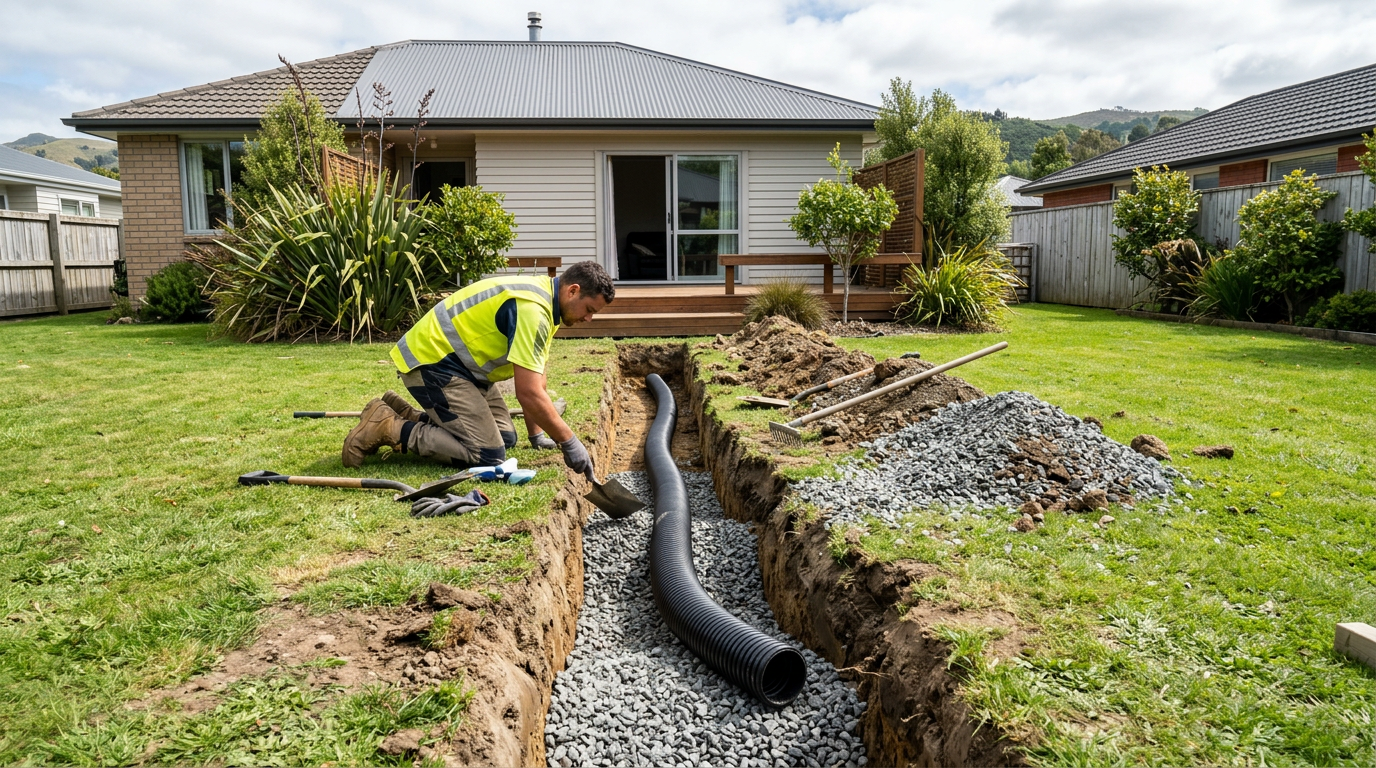
Hiring an earthmover for your property is a significant investment, and making sure they carry the right insurance is just as important as checking their skills and equipment. In New Zealand, while there is no single law that mandates every specific type of insurance for earthmoving contractors, industry best practice — and basic common sense — means a reputable operator should hold several key policies before they set foot on your site.
Why Insurance Matters for Earthmoving Work
Earthmoving is one of the higher-risk trades. Excavators, bulldozers, and graders are heavy, powerful machines operating in unpredictable ground conditions. A single mistake can damage underground services, neighbouring properties, retaining walls, or cause serious injury. Without adequate insurance, you as the homeowner could be left facing significant costs if something goes wrong — even if it wasn't your fault.
WorkSafe NZ sets out health and safety obligations for all work sites, and earthmoving contractors have a duty to manage risks to workers and bystanders. Insurance is a key part of that risk management picture.
The Core Policies a Professional Earthmover Should Hold
1. Public Liability Insurance
Public liability is the most critical policy for any earthmoving contractor. It covers damage to third-party property and injury to members of the public caused by the contractor's work or machinery. For earthmoving, this includes things like:
- Accidentally striking a buried water main, gas line, or power cable
- Damaging a neighbour's fence, driveway, or foundation
- A bystander being injured by flying debris or a machine
As a guide, reputable earthmoving contractors in NZ typically carry a minimum of $1 million to $2 million in public liability cover, and many carry $5 million or more for larger commercial projects. Always ask to see the certificate of currency before work begins.
2. Plant and Equipment Insurance
Earthmoving machinery is extremely expensive — a mid-sized excavator can cost several hundred thousand dollars. Plant and equipment insurance (sometimes called mobile plant insurance) covers the contractor's machinery against accidental damage, theft, and breakdown. While this primarily protects the contractor, it matters to you because an uninsured machine that breaks down on your site can cause project delays and disputes.
3. Professional Indemnity Insurance
If the earthmover is also providing design advice, site assessments, or project management services, professional indemnity (PI) insurance covers claims arising from errors, omissions, or negligent advice. This is especially relevant if the contractor is advising on cut-and-fill levels, drainage gradients, or retaining wall placement — work that intersects with MBIE Building Performance requirements under the NZ Building Code.
4. Statutory Liability Insurance
Statutory liability covers fines and legal costs arising from unintentional breaches of NZ legislation — for example, accidentally breaching the Resource Management Act (RMA), the Health and Safety at Work Act 2015, or local council bylaws during earthworks. This is increasingly common for earthmoving contractors working near waterways, wetlands, or in areas with strict consent conditions.
5. Employers' Liability Insurance
If the earthmover employs staff or subcontractors, employers' liability insurance covers claims from workers injured on the job that fall outside ACC cover. Note that ACC in New Zealand covers most workplace injuries, but employers' liability picks up gaps — such as claims for loss of earnings beyond what ACC provides.
What About ACC?
New Zealand's Accident Compensation Corporation (ACC) provides no-fault cover for personal injury to workers and members of the public. However, ACC does not cover property damage or financial losses — that's where public liability and other policies come in. Earthmoving contractors pay ACC levies as part of their business costs, so this is separate from the commercial insurance policies listed above.
Building Consents and Insurance Implications
Many earthmoving projects — particularly those involving retaining walls over 1.5 metres, significant cut-and-fill, or work near boundaries — require a building consent from your local council. MBIE Building Performance provides guidance on when consent is needed. If work is done without the required consent, an insurer may decline a claim, so always confirm consent requirements with your council before work starts.
BRANZ also publishes research and guidance on ground conditions and earthworks best practice that can be useful background reading.
Questions to Ask Your Earthmover Before Hiring
Before signing any contract, ask the contractor:
- What public liability cover do you hold, and for how much?
- Can you provide a current certificate of currency?
- Do you hold plant and equipment insurance?
- Are your workers covered under your policies or do they hold their own?
- Do you carry statutory liability cover?
A professional contractor will have no hesitation providing this information. If they are evasive or cannot produce documentation, treat that as a red flag.
When to Call a Professional
Earthmoving is not a DIY trade. Operating excavators and other heavy plant requires training, experience, and in many cases, specific licences and training requirements, as outlined by WorkSafe NZ. Work near underground services — gas, electricity, water, and telecommunications — carries serious safety risks.
Always hire a qualified, insured earthmoving contractor. You can find reputable local earthmovers on tradedirectory.co.nz. Check that they are properly insured, ask for references, and get at least two or three quotes for larger jobs.


 Site Safe