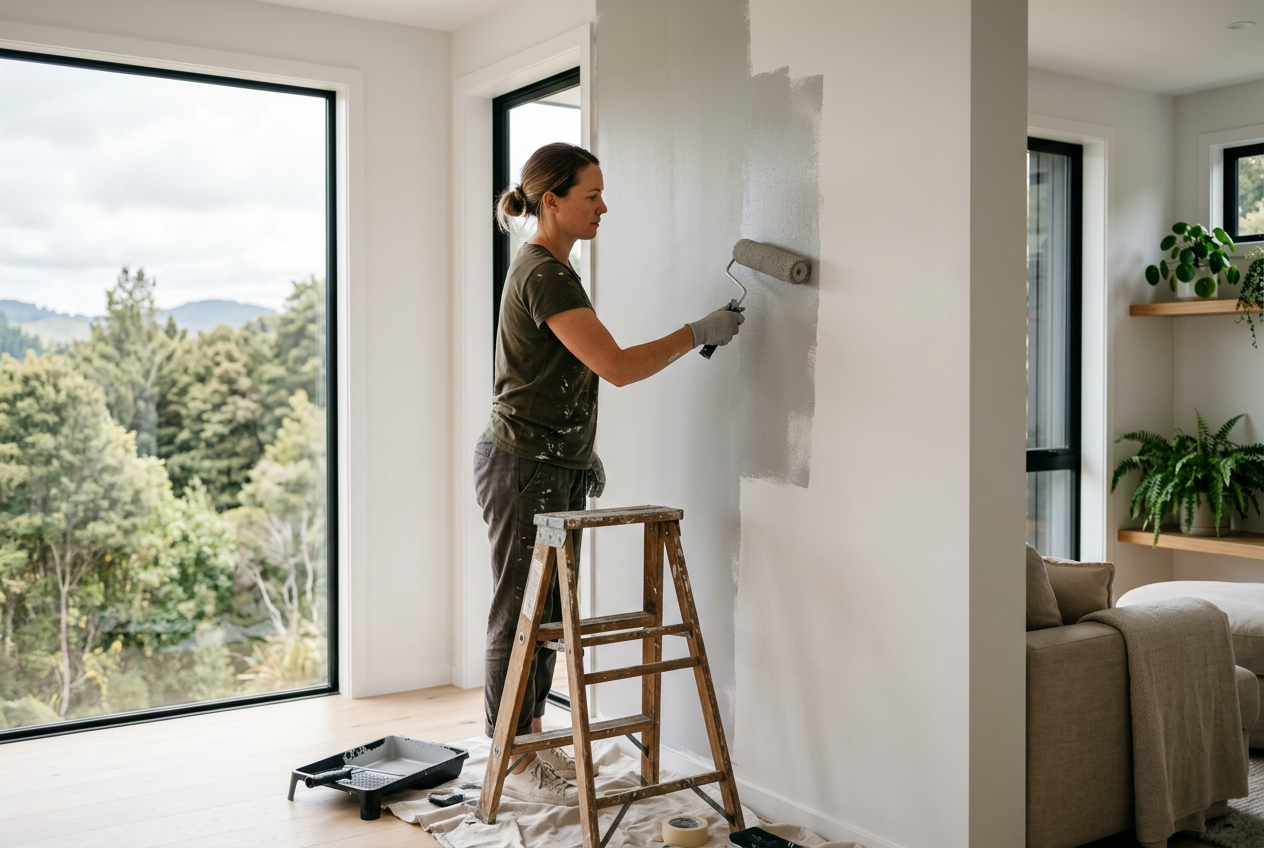
Hiring a painter is exciting — a fresh coat of colour can transform your home. But before anyone picks up a brush, it's worth asking one important question: are they properly insured? In New Zealand, there's no single law that forces all painters to hold insurance, so it's up to you as the homeowner to check. Knowing what cover to ask for can save you from a very costly headache if something goes wrong.
Why Insurance Matters for Painting Work
Painting might seem low-risk compared to electrical or plumbing work, but accidents do happen. A ladder can slip and damage your spouting or a window. Paint can spill onto a new deck or carpet. A worker could be injured on your property. Without the right insurance in place, you could find yourself footing the bill — or caught up in a legal dispute. Checking a painter's insurance before work starts is simply good practice.
The Key Types of Insurance to Ask About
1. Public Liability Insurance
Public liability insurance is the most important cover to ask for. It protects against claims for property damage or personal injury caused to third parties — in this case, you, your home, or anyone else on site. For example, if a painter accidentally knocks over a ladder that breaks your double-glazed window, their public liability policy should cover the repair cost.
As a guide, most reputable NZ tradespeople carry at least $1 million in public liability cover, and many carry $2 million or more. Always ask to see a current certificate of currency (a document from the insurer confirming the policy is active) rather than just taking their word for it.
2. Statutory Liability Insurance
Statutory liability cover protects the tradesperson (and potentially you) against unintentional breaches of NZ legislation — for example, an accidental breach of the Health and Safety at Work Act 2015. While this is more relevant to the painter than to you directly, it's a sign of a professional operator who takes their obligations seriously.
3. Employers' Liability Insurance
If the painter brings employees or subcontractors onto your property, they should carry employers' liability insurance. This covers claims made by workers who are injured on the job. Note that New Zealand's ACC (Accident Compensation Corporation) scheme covers most personal injury claims, but employers' liability fills gaps that ACC doesn't — such as claims for loss of earnings beyond what ACC provides.
4. Tools and Equipment Insurance
While this protects the painter's own gear rather than your property, a painter who insures their tools and equipment is generally more professional and less likely to cut corners. It also means they're less likely to ask you to cover the cost of damaged or stolen equipment.
5. Vehicle Insurance (If Applicable)
If the painter parks a work vehicle on your driveway or uses it to access your property, check that it has appropriate commercial vehicle insurance. A standard personal vehicle policy may not cover business use.
What About the Painter's Own Workmanship?
Insurance covers accidents and unforeseen events — it doesn't automatically cover poor workmanship. If a painter does a shoddy job, you'll need to rely on the Consumer Guarantees Act 1993 and the Fair Trading Act 1986, which give you rights to have work remedied or to seek compensation. This is another reason to check reviews, ask for references, and use a reputable tradesperson. You can find qualified local painters on tradedirectory.co.nz.
For guidance on your consumer rights, Consumer NZ is a helpful resource.
Does a Painter Need to Be Licensed in NZ?
Unlike electricians (regulated by the Electrical Workers Registration Board) or plumbers (regulated by the Plumbers, Gasfitters and Drainlayers Board), painting is not a licensed trade in New Zealand. Anyone can legally call themselves a painter. This makes insurance and reputation checks even more important, since there's no mandatory licensing body to fall back on.
That said, some painters hold qualifications through the Building and Construction Industry Training Organisation (BCITO) or are members of the Master Painters New Zealand association, which can be a useful indicator of professionalism.
A Quick Insurance Checklist
| Cover Type | Who It Protects | Minimum to Look For |
|---|---|---|
| Public liability | You and your property | $1–2 million |
| Statutory liability | Both parties | Good to have |
| Employers' liability | Workers on site | Essential if staff/subs used |
| Tools & equipment | Painter's gear | Good indicator of professionalism |
| Commercial vehicle | Third parties | If vehicle used on your property |
Tips for Checking a Painter's Insurance
- Ask before signing any contract — don't wait until work has started.
- Request a certificate of currency directly from the painter, not just a verbal assurance.
- Check the expiry date on the certificate to make sure the policy is current.
- Confirm the level of cover is appropriate for the scale of your job — a large exterior repaint carries more risk than touching up a single room.
- If you're unsure, you can contact the insurer named on the certificate to verify the policy is genuine.
When to Call a Professional
For any painting work on your home — interior or exterior — it's always worth hiring a professional with verifiable insurance. This is especially true for:
- Multi-storey homes where working at height increases risk
- Older homes that may contain lead paint (common in NZ homes built before 1980), which requires safe handling practices in line with WorkSafe NZ guidelines
- Large-scale projects where the cost of something going wrong is significant
For health and safety guidance relevant to painting work, including working at height and hazardous substances, refer to WorkSafe NZ.

 BCITO Qualified

 Master Painters NZ
 Site Safe