Getting a few electrical quotes is smart practice, but the quality of those quotes depends heavily on the information you give each electrician. The more detail you can provide upfront, the more accurate and comparable your quotes will be — and the less likely you are to face unexpected costs once work begins.
Start With a Clear Description of the Work
Before you pick up the phone or send an email, take a moment to write down exactly what you want done. Vague requests like "fix some wiring" or "add a few power points" make it very hard for an electrician to give you a firm price. Try to describe:
- What the job involves — new installation, repair, upgrade, or inspection?
- Where in the home — which rooms, inside or outside, garage, sleepout?
- How many items — number of power points, light fittings, circuits, or appliances to be connected
- Any known issues — flickering lights, tripping breakers, burning smells, or previous DIY work
The more specific you are, the more useful the quote will be.
Know Your Property Details
Electricians need to understand the property they're working on. Have the following ready:
- Type of home — standalone house, townhouse, apartment, or unit
- Age of the property — older homes (pre-1980s especially) may have outdated wiring such as aluminium wiring or older switchboard setups that affect pricing
- Construction type — timber framing, concrete, brick, or a mix (this affects how cables are run)
- Access — is the ceiling space accessible? Is there a subfloor? Are walls lined or exposed?
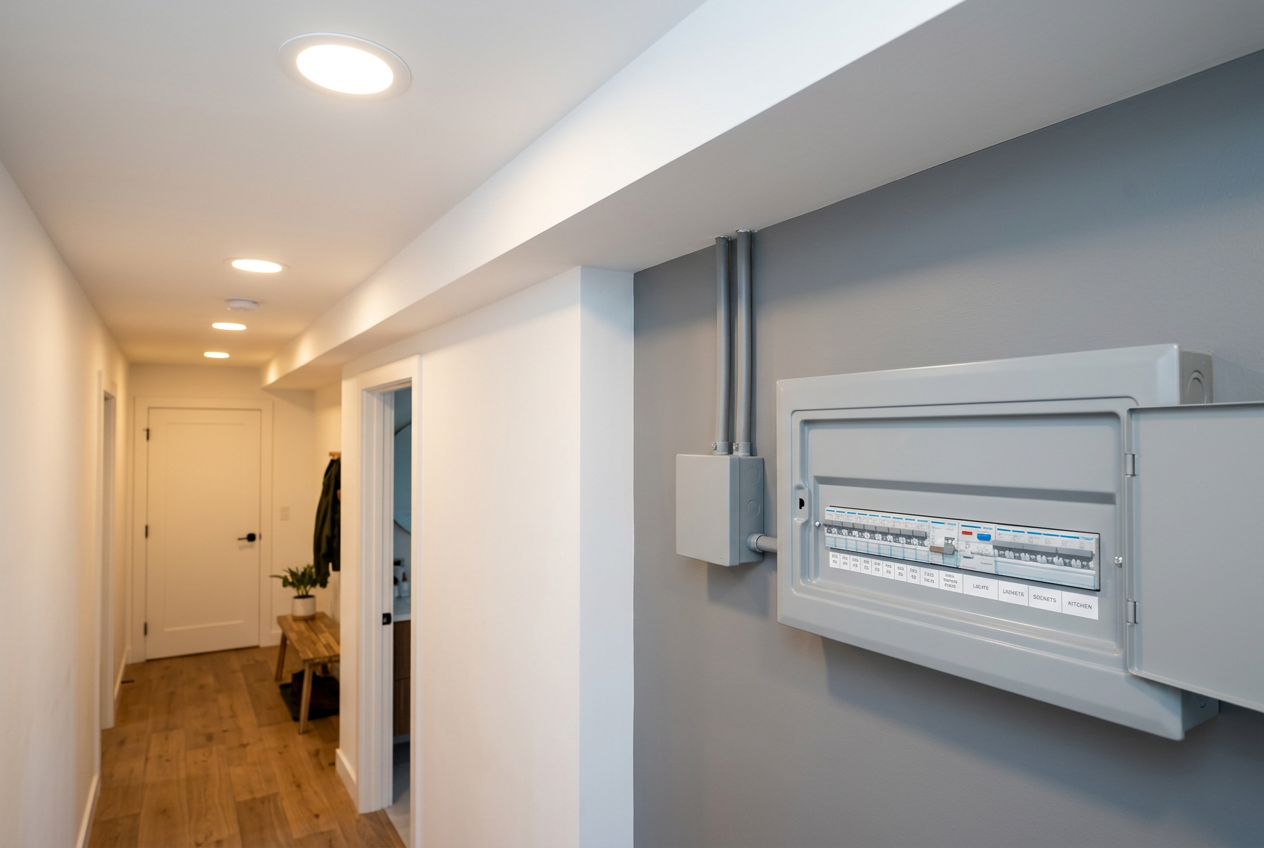
- Current switchboard type — do you have a modern consumer unit with RCDs (residual current devices), or an older fuse board?
If you're unsure about any of these, that's fine — a good electrician will assess during a site visit, but knowing what you can saves time.
Understand What Requires a Building Consent
Some electrical work in New Zealand requires a building consent before it can begin. While many routine jobs fall under Schedule 1 exemptions, larger projects — such as adding a new circuit for a sleepout, installing a heat pump, or significant switchboard upgrades — may need consent from your local council. Always confirm with your council whether consent is required for your specific job. You can find general guidance at MBIE Building Performance.
Let the electrician know if you've already applied for consent, or if you're unsure — they can often advise you.
Gather Any Existing Plans or Documentation
If you have them, the following documents are genuinely useful:
- House plans or wiring diagrams — especially for new builds or renovations
- Previous electrical certificates of compliance (CoC) — these show what work has already been signed off
- Appliance specifications — for things like EV chargers, hot tubs, heat pumps, or commercial-grade appliances that have specific electrical requirements
- Body corporate rules — if you're in an apartment or townhouse complex, there may be restrictions on what can be altered
Be Ready to Discuss Your Timeline and Budget
Electricians appreciate knowing:
- When you need the work done — is it urgent, or can it be scheduled weeks out?
- Whether other trades are involved — if a builder, plumber, or tiler is also on site, electrical work often needs to be sequenced carefully
- Your rough budget — you don't need an exact figure, but sharing a ballpark helps the electrician tailor their solution and flag if your expectations are realistic
A Quick Checklist to Have Ready
| Information | Why It Matters |
|---|---|
| Description of work | Allows accurate scoping |
| Number of fittings/points | Affects materials and labour |
| Property age and type | Flags potential complications |
| Switchboard details | May need upgrading |
| Access to ceiling/subfloor | Affects cable-running method |
| Consent status | Legal requirement for some jobs |
| Appliance specs (if relevant) | Ensures correct circuit sizing |
| Timeline and other trades | Helps with scheduling |
Photos and Videos Help Enormously
A quick photo of your switchboard, the area where work is needed, and any visible wiring issues can save a lot of back-and-forth. Many electricians are happy to give a preliminary quote based on photos before committing to a site visit — especially for smaller jobs.
When to Call a Professional
All electrical wiring work in New Zealand is restricted work under the Electricity Act 1992. This means it must be carried out by a registered electrician and signed off with a Certificate of Compliance. Homeowners are not permitted to do their own wiring, install switchboards, or connect appliances to fixed wiring. You can check a tradesperson's registration status through the Electrical Workers Registration Board (EWRB).
Safety note: Never attempt to work on your switchboard, rewire outlets, or modify any fixed electrical installation yourself. Electrical faults are a leading cause of house fires in New Zealand. If you notice burning smells, sparking, or frequently tripping breakers, stop using the affected circuit and call a registered electrician promptly. For workplace electrical safety guidance, visit WorkSafe NZ.
For peace of mind, always ask your electrician for their registration number and ensure you receive a signed Certificate of Compliance once the work is complete.
You can find qualified, local registered electricians in your area right here on tradedirectory.co.nz.

 Site Safe
 Licensed Electrical Inspector







