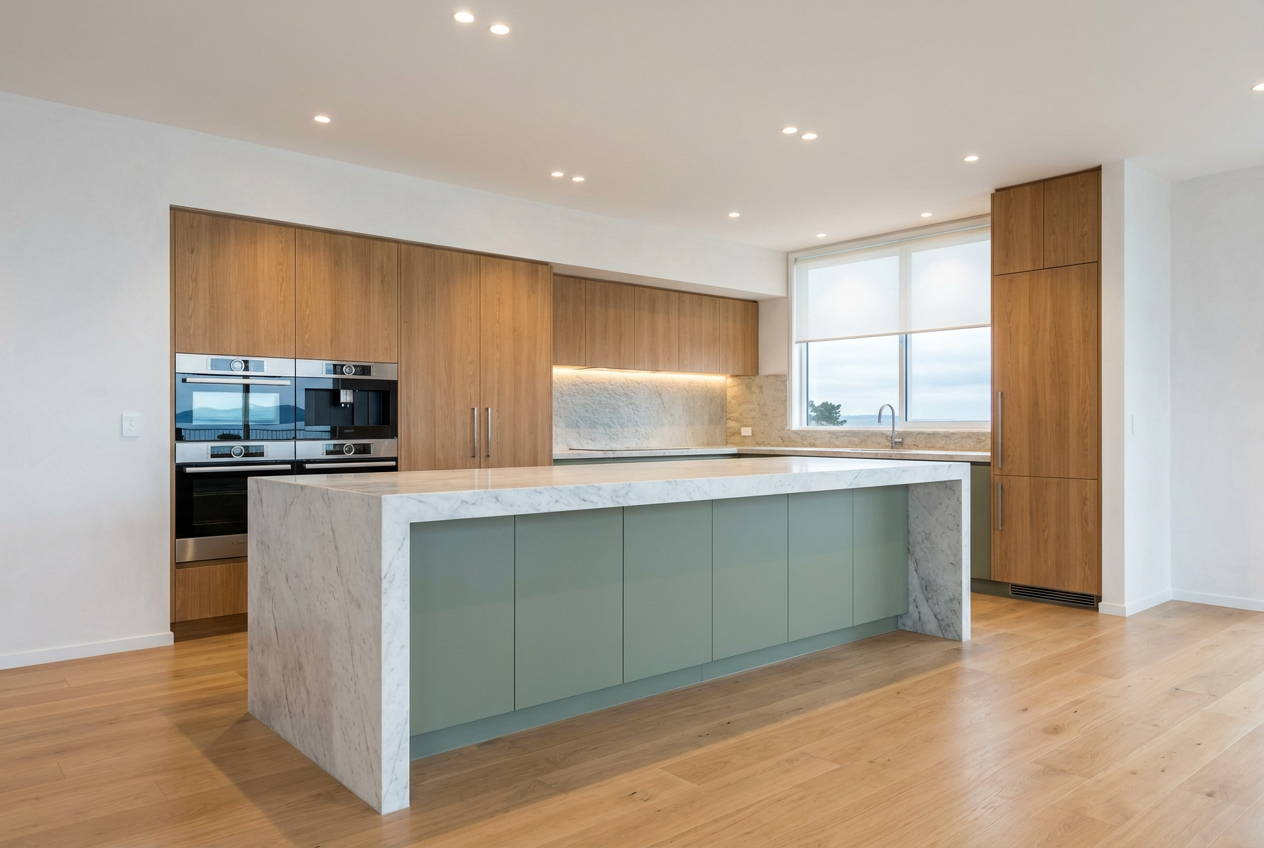
The more information you can give a joiner before or during their visit, the more accurate your quote will be — and the smoother your project will run. Joiners work on everything from custom kitchens and wardrobes to doors, windows, staircases, and built-in furniture, so a little preparation goes a long way toward getting the result you're after.
A Clear Description of What You Want
Start with a plain-English description of the job. You don't need to use trade terminology — just explain what you're hoping to achieve. For example: "I want a built-in wardrobe with hanging space on one side and shelves on the other" or "I need two interior doors replaced and rehung."
If you've found inspiration images online or in magazines, save them to your phone or print them out. Visual references help joiners understand your style preferences far better than words alone. Pinterest boards, Houzz pages, or even photos of joinery you've admired in a friend's home are all useful.
Accurate Measurements
You don't need to be a tradesperson to take basic measurements, but having them ready saves the joiner time and shows you're organised. Measure and note down:
- Room dimensions (length, width, ceiling height) for fitted furniture or cabinetry
- Opening sizes for doors or windows (width × height, measured in millimetres)
- Wall thickness if doors or frames are involved
- Existing fixture positions — power points, light switches, or plumbing that might affect placement
If you're unsure about any measurements, don't worry — the joiner will verify everything on site. But having a rough idea helps them prepare.
Your Budget Range
Be upfront about your budget, even if it's a broad range. Custom joinery can vary enormously in cost depending on materials, complexity, and finish. Giving your joiner a ballpark figure — for example, "we're hoping to keep this under $8,000" — lets them tailor their recommendations accordingly. There's no point falling in love with a solid timber design if a quality MDF alternative would suit your budget and needs just as well.
Material and Finish Preferences
Think about what look and feel you're after. Common joinery materials in NZ include:
- Solid timber (rimu, pine, oak, and others) — warm, traditional, and durable
- MDF (medium-density fibreboard) — smooth, paintable, and cost-effective
- Melamine-coated board — practical for kitchens, laundries, and wardrobes
- Plywood — strong and increasingly popular for a contemporary look
For finishes, consider whether you want paint, stain, clear coat, or a laminate wrap. If you have existing joinery you want to match — such as architraves, skirting, or kitchen doors — take a photo and, if possible, note the profile name or bring a small sample.
For paint colours, brands like Resene and Dulux have colour chips your joiner or painter can reference.
Site Access and Practical Details
Let the joiner know about anything that might affect how they work:
- Parking and access — is there a long driveway, stairs, or a narrow hallway?
- Existing joinery to be removed — who is responsible for disposal?
- Other trades involved — will an electrician, plumber, or tiler also be on site? Sequencing matters.
- Pets or young children — joiners often use sharp tools and machinery on site
- Timing constraints — do you have a hard deadline, such as a tenancy start date or a renovation milestone?
Consents and Building Code Considerations
Most standard joinery work — fitting wardrobes, replacing interior doors, installing cabinetry — does not require a building consent. However, some work may trigger consent requirements, particularly if it involves structural changes, alterations to exterior weatherproofing (such as replacing external windows or doors), or work in a heritage or character area.
New Zealand's Building Code sets minimum standards for things like door dimensions, hardware, and weathertightness. Schedule 1 of the Building Act lists exemptions, but it's always worth checking with your local council if you're unsure. Your joiner should be able to advise you, but the final call on consent requirements rests with your council.
If your joiner is a Licensed Building Practitioner (LBP), they can carry out and supervise certain restricted building work — worth asking about if your project is more complex.
Photos of the Existing Space
Take photos of the area where the joinery will go before the visit. Capture different angles, any existing joinery or fittings, and anything that might be relevant — such as an uneven wall, a sloping floor, or a window that opens into the space. This is especially helpful if you're getting quotes from multiple joiners and want to share consistent information.
When to Call a Professional
Almost all custom joinery work benefits from a qualified tradesperson. While a confident DIYer might hang a pre-hung door or assemble flat-pack furniture, anything involving custom fabrication, structural openings, or exterior weatherproofing should be handled by an experienced joiner. If the work is restricted building work under the Building Act, it must be carried out or supervised by an LBP.
You can find qualified local joiners on tradedirectory.co.nz — it's a good idea to get two or three quotes and check references before committing.