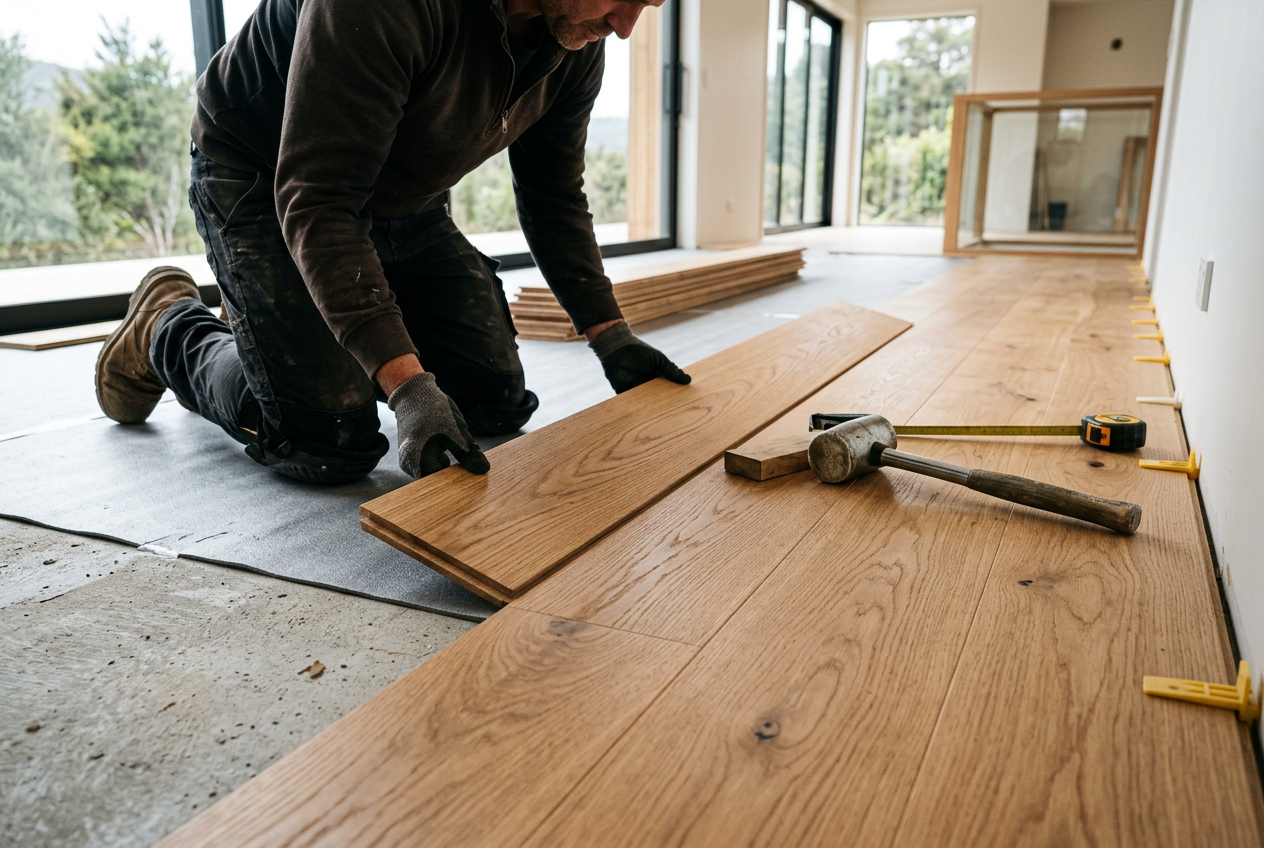
When you're hiring a flooring installer in New Zealand, checking their industry affiliations is one of the smartest things you can do. Membership of a recognised trade body signals that an installer is committed to professional standards, ongoing training, and ethical business practice — giving you real peace of mind before anyone starts pulling up your old carpet or laying that new timber floor.
Why Industry Membership Matters
Flooring installation in New Zealand is not a licensed trade in the same way that electrical or plumbing work is — there is no government-mandated registration like the Electrical Workers Registration Board (EWRB) or the Plumbers, Gasfitters and Drainlayers Board (PGDB). This means, in theory, anyone can call themselves a flooring installer. Industry body membership helps fill that gap by providing a voluntary framework of competency, accountability, and professionalism.
Reputable installers who invest in their trade will typically seek out membership of one or more of the bodies below.
Key Industry Bodies for NZ Flooring Installers
Flooring New Zealand (Flooring NZ)
Flooring New Zealand (sometimes referred to as Flooring NZ) is the primary industry association for flooring professionals in this country. It represents retailers, installers, and suppliers across all flooring types — carpet, vinyl, timber, laminate, tile, and more. Members are expected to meet standards of workmanship and conduct, and the association provides training pathways and technical resources. When an installer is a Flooring NZ member, it's a strong indicator they take their trade seriously. You can ask any installer directly whether they hold current membership.
Master Flooring Installers Association
Some highly experienced installers may also be affiliated with or hold qualifications recognised by specialist installer groups. Ask your installer whether they hold any master-level credentials or have completed formal apprenticeship or trade training through a polytechnic or industry training organisation (ITO). New Zealand's vocational training system has historically offered flooring qualifications through the building and construction strand — your installer should be able to tell you about any formal training they've completed.
Registered Master Builders / Certified Builders (for broader building context)
If your flooring project is part of a larger renovation or new build, the main contractor may be a member of Registered Master Builders or Certified Builders, or may hold a Licensed Building Practitioner (LBP) licence, which is a government scheme covering certain restricted building work. Flooring itself is generally not restricted building work under the NZ Building Code, but it's worth knowing that LBP membership applies to the broader build context. Always confirm with your local council what consents, if any, are needed for your specific project.
Tile and Stone Associations
If you're having ceramic, porcelain, or natural stone tiles installed, look for installers with links to tile-specific training or supplier accreditation programmes. Major product suppliers such as Ardex and Mapei run installer training and accreditation programmes for their adhesive and grout systems. An installer trained and approved by these manufacturers understands the technical requirements of the products they're using — which matters a great deal for waterproofing in wet areas like bathrooms.
Supplier and Manufacturer Accreditation
Beyond formal associations, many reputable flooring installers hold accreditation from specific manufacturers or suppliers. For example:
- Carpet and vinyl manufacturers may have preferred installer networks
- Timber flooring brands often require installers to complete product-specific training before warranties are honoured
- Paint and coating suppliers like Resene offer training relevant to floor coatings and finishing
Always ask your installer whether they are accredited or preferred by the brand of flooring you're purchasing. This can directly affect your product warranty.
What to Ask a Flooring Installer Before Hiring
Use this quick checklist when vetting a flooring professional:
| Question | Why It Matters |
|---|---|
| Are you a member of Flooring NZ or another trade body? | Shows commitment to professional standards |
| What formal training or qualifications do you hold? | Confirms technical competency |
| Are you accredited by the flooring manufacturer? | Protects your product warranty |
| Do you carry public liability insurance? | Protects you if something goes wrong |
| Can you provide references or examples of past work? | Demonstrates real-world experience |
| Do you provide a written quote and contract? | Ensures clarity on scope and cost |
NZ Building Code Considerations
While flooring installation is generally not restricted building work, certain aspects of a flooring project can touch on the NZ Building Code — particularly in wet areas. Waterproofing membranes under tiled floors in bathrooms, for instance, must comply with NZ Building Code clause E3 (Internal Moisture). Poor installation here can lead to costly water damage. BRANZ provides excellent technical guidance on moisture management in floors, and MBIE Building Performance is the authoritative source on what does and doesn't require a building consent.
If in doubt about whether your flooring project needs a consent, check with your local council before work begins.
When to Call a Professional
Always hire a qualified, experienced flooring installer for:
- Large or complex areas where poor installation would be costly to fix
- Wet area tiling where waterproofing compliance is critical
- Engineered or solid timber floors that require precise acclimatisation and fixing methods
- Underfloor heating systems, which may involve electrical or plumbing work requiring licensed tradespeople
- Any work that could affect structural elements — check with your council if unsure
You can find qualified local flooring installers on tradedirectory.co.nz and ask them directly about their memberships and credentials before committing.