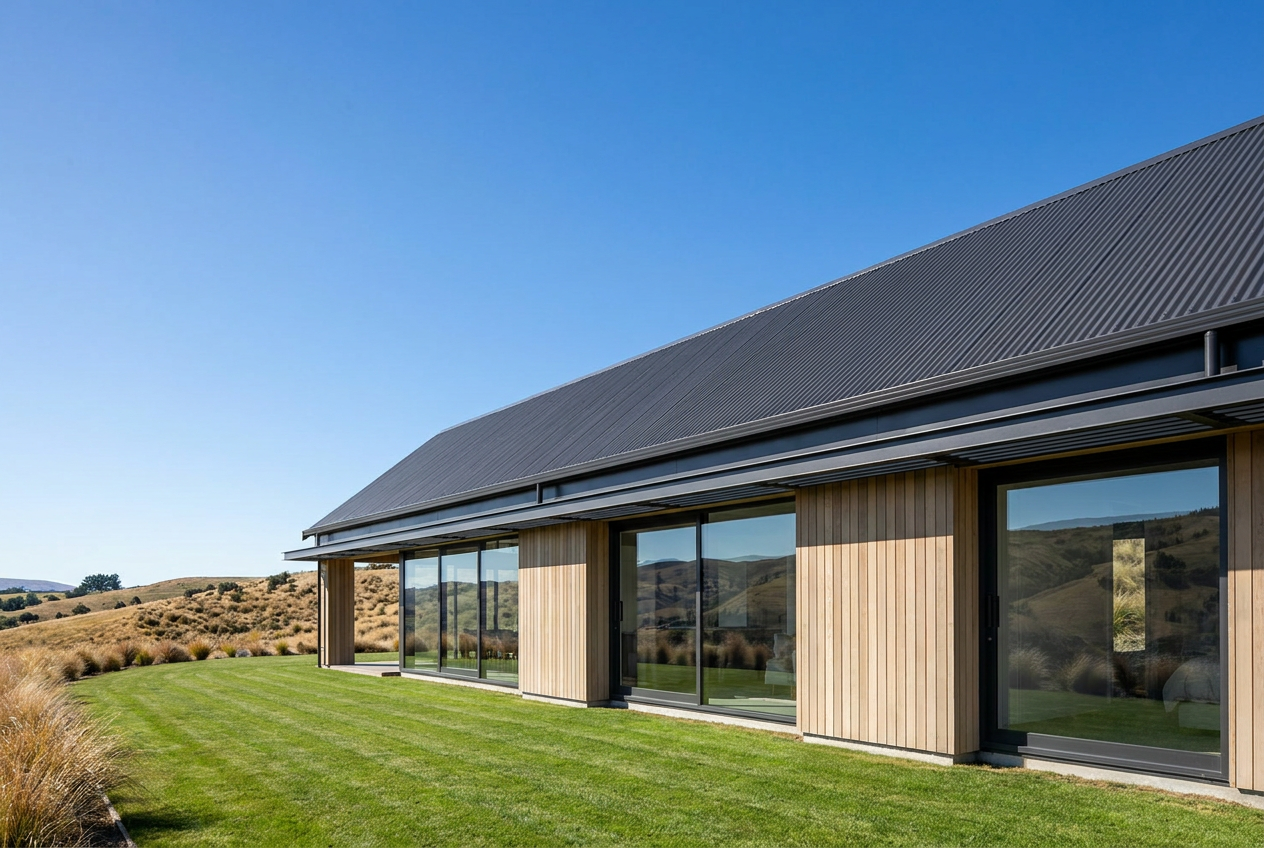
If your roofer causes damage to your home during work, you are not left without options. In New Zealand, homeowners have clear consumer rights, and reputable roofers carry insurance specifically to cover this kind of situation. The key is knowing what steps to take quickly and calmly.
Your Rights as a Homeowner
Under the Consumer Guarantees Act 1993 (CGA) and the Contract and Commercial Law Act 2017, tradespeople must carry out work with reasonable care and skill. If a roofer damages your property — whether that's cracking tiles, breaking guttering, damaging ceiling linings, or causing a water leak — they are generally liable for making it right. This applies whether the damage was accidental or due to poor workmanship.
If the roofer is a Licensed Building Practitioner (LBP), they are also bound by a Code of Ethics and can face disciplinary action through the LBP scheme if they act unprofessionally or cause harm through negligent work.
What to Do Immediately After Damage Occurs
Acting quickly and methodically protects your position. Here's what to do:
- Document everything. Take clear photos and videos of all damage as soon as you notice it. Note the date and time.
- Notify the roofer in writing. Send an email or text so there's a paper trail. Describe the damage clearly and ask them to respond within a reasonable timeframe (5–10 working days is fair).
- Don't rush to repair it yourself. Unless there's an urgent safety risk (like a large open hole in the roof during rain), wait until the roofer has had a chance to inspect and acknowledge the damage.
- Get an independent quote. If the roofer disputes the damage or their repair quote seems off, get a second opinion from another qualified roofer.
- Check your own home insurance. Contact your insurer to let them know what's happened. Some policies cover accidental damage caused by tradespeople, and your insurer may be able to pursue the roofer's insurer on your behalf.
The Role of the Roofer's Insurance
Any reputable roofing contractor should carry public liability insurance — this is specifically designed to cover damage they accidentally cause to your property while working. Before work begins, it's always worth asking your roofer:
- Do you carry public liability insurance, and for how much?
- Are your workers covered by a current WorkSafe NZ-compliant health and safety plan?
If a roofer cannot show proof of insurance, that's a serious red flag. Uninsured contractors leave you exposed if something goes wrong. You can find more guidance on contractor obligations at WorkSafe NZ.
What If the Roofer Refuses to Accept Responsibility?
Unfortunately, disputes do happen. If the roofer denies causing the damage or refuses to remedy it, you have several escalation paths:
Disputes Tribunal
For claims up to $30,000, the Disputes Tribunal is a low-cost, straightforward option. You don't need a lawyer, and decisions are legally binding. Search for your local tribunal through the Ministry of Justice website.
LBP Complaints
If the roofer holds an LBP licence, you can lodge a complaint with the Licensed Building Practitioners scheme. Disciplinary outcomes can include fines, suspension, or cancellation of their licence.
Consumer NZ
Consumer NZ offers practical advice on resolving disputes with tradespeople and can help you understand your rights under the CGA.
Your Home Insurer
As mentioned above, your insurer may step in and pursue the roofer's liability insurer directly — this is called subrogation. It takes the burden off you.
Building Consent and Code Compliance
Some roofing work requires a building consent from your local council — for example, replacing the entire roof structure or making significant changes to roof form. If consented work is done incorrectly and causes damage, the council's building inspection process provides an additional layer of accountability. Always confirm with your council whether consent is needed before work starts. The MBIE Building Performance website has useful guidance on what work requires consent and what falls under Schedule 1 exemptions.
Poorly done roofing can also breach NZ Building Code clauses such as E2 (External Moisture), which governs weathertightness. If water ingress results from the roofer's work, this is a serious matter that may involve your council's building department.
Preventing Problems Before They Start
The best protection is choosing the right roofer from the outset:
| What to Check | Why It Matters |
|---|---|
| LBP licence (where required) | Ensures legal accountability |
| Public liability insurance | Covers accidental damage |
| Written contract/quote | Sets clear scope and expectations |
| References or reviews | Shows track record |
| GST registration | Indicates a legitimate business |
Always get a written contract that details the scope of work, materials to be used, timeline, and payment terms. Verbal agreements are much harder to enforce.
When to Call a Professional
If the damage is significant — such as structural damage, widespread water ingress, or damage to electrical wiring in the ceiling — you should involve other licensed tradespeople promptly. Electrical work near roof spaces is restricted work that must be carried out by a registered electrician under the Electrical Workers Registration Board (EWRB) rules. Never attempt to inspect or repair electrical damage yourself.
For complex disputes or large financial losses, consider seeking legal advice from a solicitor experienced in construction law.
You can find qualified, reputable roofers in your area right here on tradedirectory.co.nz — look for contractors who are transparent about their insurance and licensing before you sign anything.




 Roofing Association of NZ (RANZ)
 Licensed Building Practitioner (LBP)



