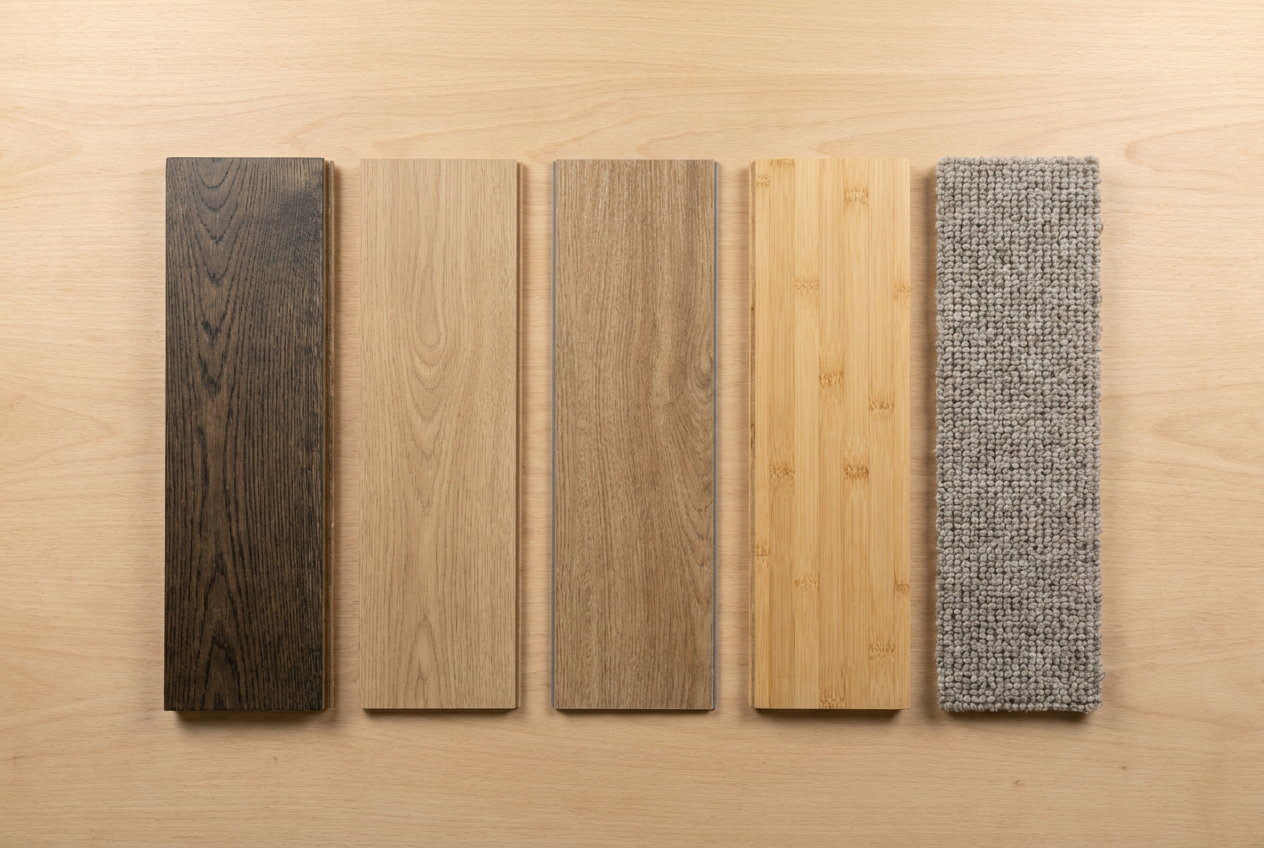
Sanding your floorboards too many times is one of the most common — and costly — mistakes NZ homeowners make. Each sanding pass removes a layer of timber, and once that timber is gone, it's gone for good. Understanding the limits of your floors before you hire a sander or pick up the phone to a tradesperson can save you thousands of dollars.
How Much Timber Is Actually Removed Each Time?
A standard floor sanding job typically removes between 1–3 mm of timber per session, depending on the grit sequence used, the condition of the floor, and the skill of the operator. Coarser grits (like 24 or 36) cut deeper and faster, while finer finishing grits remove very little. Even so, the cumulative effect over multiple sandings adds up quickly.
Most solid timber floorboards installed in New Zealand homes — particularly the rimu, matai, and pine boards common in pre-1970s villas and bungalows — are typically 19–25 mm thick when new. However, what matters is the usable timber above the tongue-and-groove joint. This is usually only 6–10 mm on older boards. Once you get close to that joint, the board can no longer be safely sanded.
Signs Your Boards Have Been Sanded Too Many Times
Look out for these warning signs before committing to another sand:
- Visible nail heads or countersunk holes sitting very close to the surface — a strong indicator the board is nearly spent
- Boards that feel springy, flex, or bounce underfoot, suggesting the tongue-and-groove connection is weakened
- Cupping or crowning that won't flatten even after sanding — the boards may be too thin to hold their shape
- Gaps between boards that keep widening after each sand
- Splintering or cracking along the edges of boards
- Boards that are noticeably thinner than neighbouring boards or than the skirting board reveals
If you're unsure, a qualified floor sanding professional can assess the remaining thickness — sometimes using a moisture meter or simply measuring at a vent or threshold gap.
Structural Risks of Over-Sanding
When floorboards are sanded too thin, the risks go beyond aesthetics:
| Risk | What It Means |
|---|---|
| Structural weakness | Thin boards can crack or break under normal foot traffic |
| Nail pull-through | Fixing nails can tear through thin timber, causing boards to lift |
| Tongue-and-groove failure | The interlocking joint loses strength, boards shift and squeak |
| Moisture vulnerability | Thinner boards are more prone to swelling, cupping, and rot |
| Irreversible damage | Once too thin, boards cannot be sanded again — replacement is the only option |
In older NZ homes, the subfloor framing (joists and bearers) is often sized to NZS 3604 or earlier standards, and the floorboards themselves contribute to the overall floor stiffness. Significantly thinning the boards can affect this.
How Many Times Can Floorboards Be Sanded?
There's no single universal answer — it depends on the original board thickness, the depth of the tongue, and how aggressively previous sandings were done. As a general guide:
- Solid hardwood or native timber boards (19–25 mm): typically 3–5 sandings over a lifetime, if done carefully
- Thinner softwood boards or overlay floors: may only tolerate 1–2 sandings
- Engineered timber floors: usually have a wear layer of only 2–6 mm — some can be sanded once or twice, others not at all. Always check the manufacturer's specifications.
If you're buying or renovating an older home, it's worth asking whether the floors have been sanded before and how recently.
What Are Your Options If the Boards Are Too Thin?
If your boards are past their sanding limit, you have a few options:
- Replace individual boards — matching old rimu or matai can be tricky but is possible through salvage yards
- Full floor replacement — new solid timber, engineered boards, or an alternative flooring product
- Overlay with a new floor — laying a new product over the existing subfloor, though this raises floor height and may affect door clearances
- Embrace the character — sometimes a light screen-and-coat (using a buffer rather than a drum sander) can refresh the finish without removing significant timber
For finishing products and colour matching on repaired or replaced boards, Resene and Wattyl both offer floor coatings and stains suited to NZ conditions. Dulux also has a range of floor finishes worth exploring.
Protecting Your Floors Between Sandings
The best way to extend the life of your floorboards is to minimise how often they need sanding:
- Maintain the finish — re-coat with a quality polyurethane or oil before the finish wears through to bare timber
- Use felt pads under furniture legs
- Control indoor humidity — NZ's variable climate means boards expand and contract seasonally. Energywise has good guidance on managing indoor moisture
- Clean gently — avoid excess water and harsh chemicals that degrade the finish
When to Call a Professional
If you're unsure how much life is left in your boards, always get a professional assessment before sanding. A qualified floor sander can measure remaining timber thickness, advise on the best approach, and use the right equipment and grit sequence to remove as little material as possible while still achieving a great result.
DIY drum sander hire is available from stores like Bunnings and Mitre 10, but these machines are aggressive and easy to misuse — an inexperienced operator can remove far more timber than intended in a short time. For floors that are already borderline, professional expertise is strongly recommended.
You can find qualified floor sanding professionals in your area at tradedirectory.co.nz.