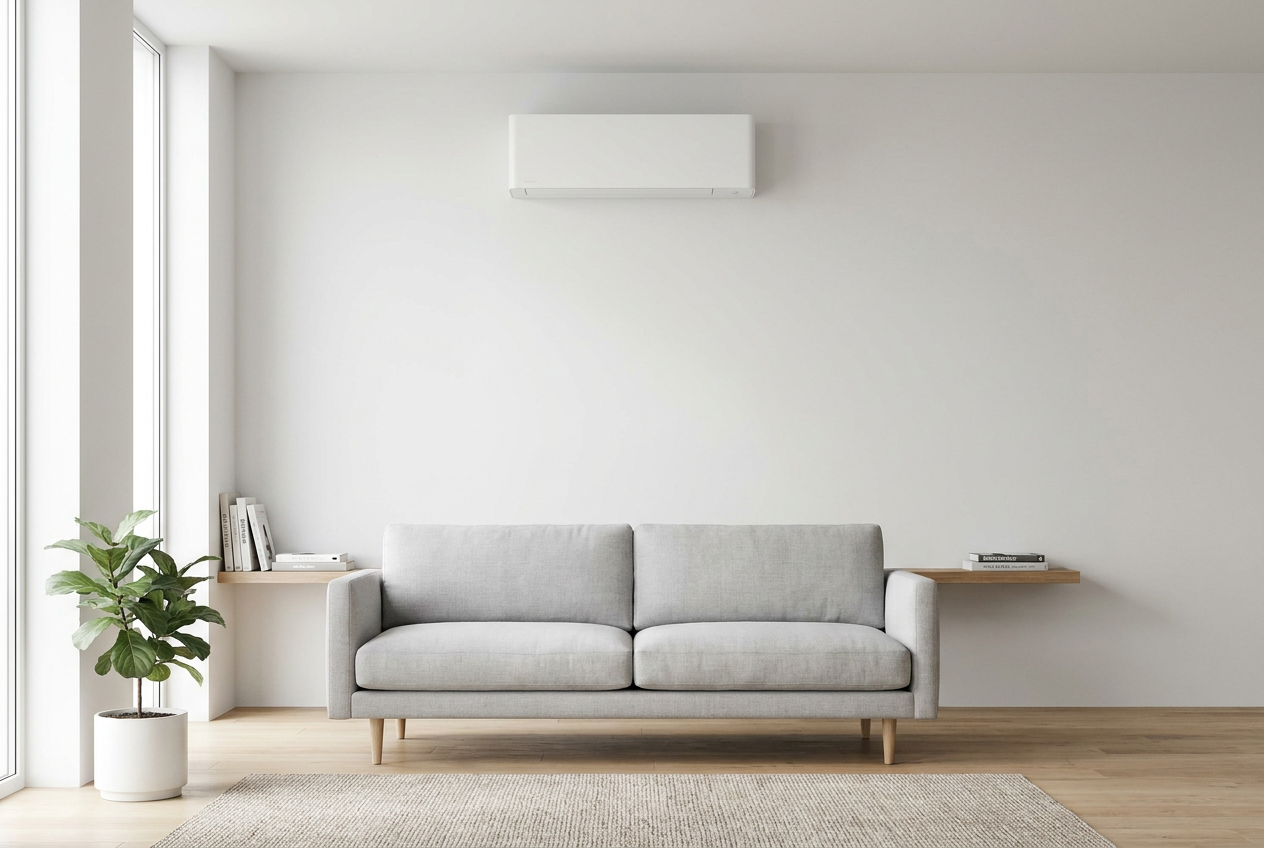
Getting a heat pump installed by an unlicensed person might seem like a way to save money upfront, but in New Zealand it can lead to serious legal, financial, and safety consequences. Understanding what's at stake — and what the law actually requires — can save you a lot of trouble down the track.
Why Licensing Matters for Heat Pump Installation
In New Zealand, heat pump installation involves restricted electrical work and, in most cases, refrigerant handling — both of which are legally controlled. The electrical connections (wiring the indoor and outdoor units to your home's supply) must be carried out by a registered electrician under the Electrical Workers Registration Board (EWRB). Handling refrigerants such as R32 or R410A is regulated under applicable legislation and requires a person with the appropriate refrigerant handling certification.
A licensed heat pump installer will typically hold both qualifications, or work as part of a team that does. If either part of the job is done by someone without the correct licence, the installation is unlawful — full stop.
The Legal Consequences
If restricted electrical work is carried out by an unlicensed person, both the person doing the work and, in some circumstances, the homeowner who knowingly allowed it can face fines under the Electricity Act 1992. Fines can be substantial — this is not a grey area.
Additionally, any electrical work that is not completed by a registered electrician cannot be signed off with a Certificate of Compliance (CoC), which is the legal document confirming the work meets the NZ Building Code. Without a CoC, your installation is technically non-compliant, which creates problems if you ever sell your home or make an insurance claim.
Your Warranty Will Likely Be Void
Almost every major heat pump brand sold in New Zealand — including Mitsubishi Electric, Daikin, Fujitsu, and Panasonic — requires installation by a qualified and authorised installer as a condition of the product warranty. If an unlicensed person installs your unit and something goes wrong, the manufacturer can and almost certainly will decline your warranty claim. This could leave you facing the full cost of repairs or replacement on a unit that may have only been running for a short time.
Always check the warranty terms before installation and ask your installer for their credentials.
Safety Risks of Incorrect Installation
Beyond the legal and financial issues, a poorly installed heat pump poses real physical dangers:
- Electrical faults — incorrect wiring can cause short circuits, overheating, or fire
- Refrigerant leaks — improper pipe connections can allow refrigerant to escape, which is both an environmental hazard and, in enclosed spaces, a potential health risk
- Structural damage — poor placement or inadequate wall penetration sealing can allow moisture ingress, leading to rot or mould
- Carbon monoxide risk — not directly associated with heat pumps, but poor installation could theoretically interfere with other combustion heating appliances in the same space
- Unit failure — incorrect pipe sizing, inadequate drainage, or wrong electrical supply can cause premature compressor failure
WorkSafe NZ takes electrical safety seriously, and an unsafe installation that causes injury or property damage can have serious legal ramifications for everyone involved.
Impact on Home Insurance
If a fire or water damage event is traced back to an unlicensed or non-compliant heat pump installation, your home insurer may decline your claim. Insurers can investigate the cause of damage, and an installation without a CoC or done by an unqualified person gives them grounds to decline or reduce a payout. This is one of the most financially devastating consequences homeowners overlook.
What About the Healthy Homes Standards?
For rental properties, heat pumps are often installed to meet the Healthy Homes heating standard. If a landlord installs a heat pump using an unlicensed person, the installation may not be compliant — meaning the property could still be considered non-compliant with the Healthy Homes Standards even if a unit is physically present. Tenancy Services can investigate complaints, and penalties for non-compliance can be significant.
What a Legitimate Installation Looks Like
A proper heat pump installation in NZ should include:
| Step | Who Does It | Documentation |
|---|---|---|
| Electrical wiring & connection | Registered electrician | Certificate of Compliance (CoC) |
| Refrigerant handling & pipe work | Certified refrigerant handler | Installer job sheet |
| Unit commissioning & testing | Qualified installer | Commissioning record |
| Warranty registration | Homeowner / installer | Manufacturer warranty card |
Always ask your installer for their EWRB registration number and proof of refrigerant handling certification before work begins. A reputable installer will have no hesitation providing these.
When to Call a Professional
For any heat pump installation — new install, replacement, or relocation — you should always use a qualified, licensed heat pump installer. This is not optional; it is a legal requirement for the electrical work involved. A good installer will handle the full job: sizing the unit for your space, positioning it correctly, completing all electrical and refrigerant work, and providing you with the necessary compliance documentation.
You can find qualified local heat pump installers in your area right here on tradedirectory.co.nz.



 ISO 9001






