If you own your home in New Zealand, you may be eligible for a government subsidy that covers a significant portion of the cost of installing ceiling and underfloor insulation. The main programme is Warmer Kiwi Homes, administered by the Energy Efficiency and Conservation Authority (EECA), and it can make a real difference to your home's warmth, energy bills, and overall health.
What Is the Warmer Kiwi Homes Programme?
Warmer Kiwi Homes is the New Zealand Government's primary home insulation subsidy scheme. It provides grants of up to 80% off the cost of ceiling and underfloor insulation for eligible homeowners. In some cases — particularly for lower-income households — the subsidy can be even higher, meaning you may pay very little or nothing at all.
The programme is delivered through EECA-registered providers (approved insulation installers) who handle the assessment, installation, and grant paperwork on your behalf. You can find more detail about the scheme and check your eligibility at Energywise, which is EECA's consumer-facing website.
Who Is Eligible?
To qualify for a Warmer Kiwi Homes grant, you generally need to meet all of the following criteria:
- You own and live in the home (it must be your primary residence — rental properties have a separate pathway)
- Your home was built before 2008
- Your home does not already have adequate insulation
- You hold a Community Services Card, OR your home is in an area identified as lower-income based on the NZ Deprivation Index
Eligibility rules can change, so always check the current criteria directly with an EECA-registered provider or via Energywise before assuming you qualify.
What Does the Subsidy Cover?
The grant applies to:
- Ceiling insulation (e.g., bulk insulation batts or blown-in insulation)
- Underfloor insulation (e.g., polyester or glasswool batts fitted under suspended timber floors)
It does not currently cover wall insulation or heat pumps under the standard Warmer Kiwi Homes pathway, though EECA does run separate initiatives for heating from time to time. Check Energywise for any current heating-related offers.
What About Rental Properties?
If you're a landlord, the Healthy Homes Standards require rental properties to meet minimum insulation levels. While there isn't a direct government subsidy for landlords in the same way, some community energy trusts and local councils have run targeted programmes. Check Tenancy Services for the current Healthy Homes insulation requirements and deadlines that apply to your tenancy type.
Are There Other Schemes or Top-Ups?
Beyond Warmer Kiwi Homes, there are a few other avenues worth exploring:
- Community energy trusts and local councils — Some regional councils and community trusts (particularly in the South Island and Wellington) have historically offered additional top-up subsidies or low-interest loans. Contact your local council to ask what's available in your area.
- Māori housing programmes — Te Puni Kōkiri and Kāinga Ora have run targeted insulation and housing improvement programmes for Māori homeowners and whānau. Eligibility and availability vary.
- Utility company schemes — Some electricity retailers have offered insulation incentives. Check with your power company directly.
Availability and funding for these programmes can change, so it pays to ask around locally.
How Does the Process Work?
Here's a typical step-by-step overview:
| Step | What Happens |
|---|---|
| 1. Check eligibility | Visit Energywise or contact a registered provider |
| 2. Home assessment | A registered installer visits and assesses your insulation needs |
| 3. Quote provided | You receive a quote showing the subsidised price you'll pay |
| 4. Installation | Approved installer fits ceiling and/or underfloor insulation |
| 5. Grant claimed | The installer claims the EECA grant on your behalf |
The whole process is designed to be straightforward — the registered provider does most of the paperwork.
Does Insulation Require a Building Consent?
In most cases, installing insulation in an existing home falls under Schedule 1 of the Building Act as exempt building work, meaning no consent is required. However, this depends on the scope of work and your specific situation. Always confirm with your local council if you're unsure, and check MBIE Building Performance for guidance on consent exemptions.
When to Call a Professional
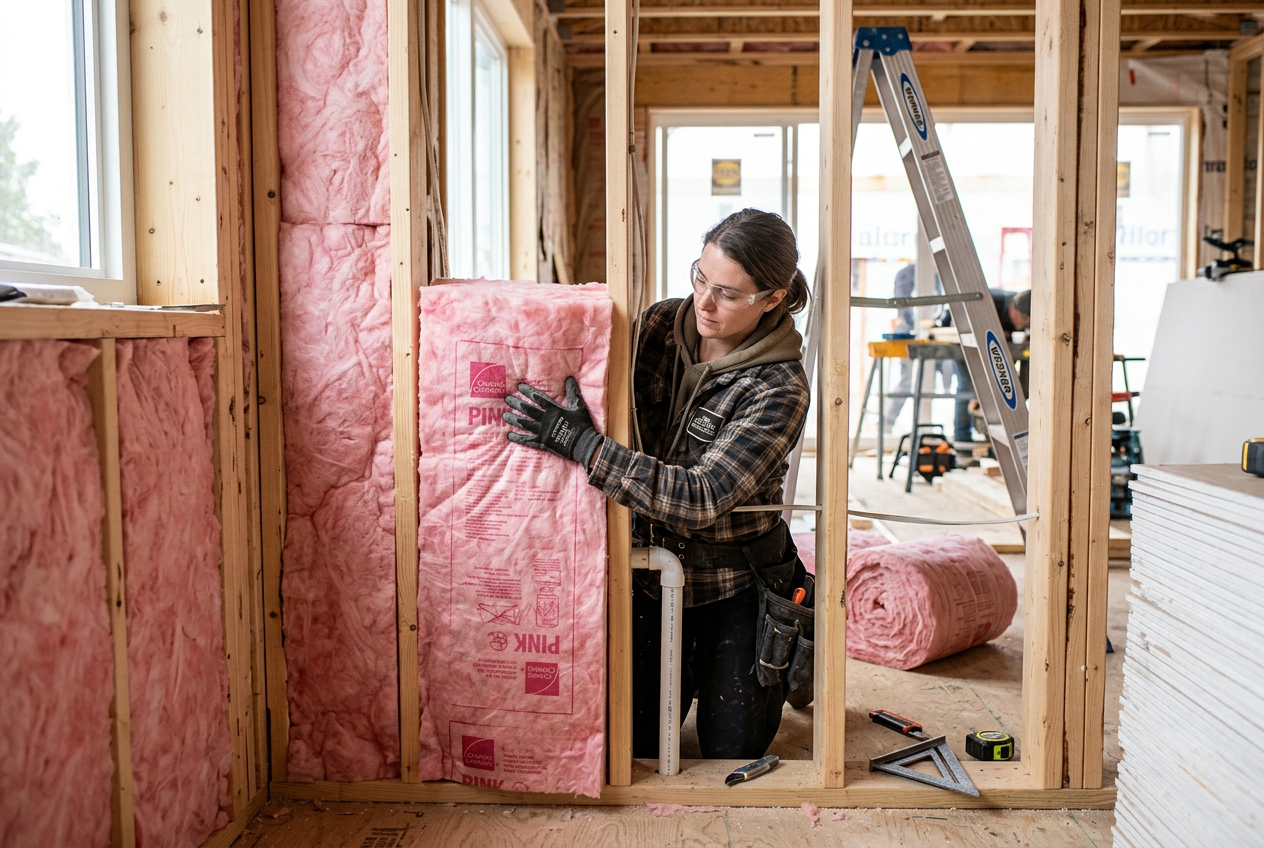
Insulation installation should always be carried out by a qualified, experienced installer — and for the Warmer Kiwi Homes subsidy, it must be done by an EECA-registered provider. Poorly installed insulation can leave gaps, compress incorrectly, or create moisture problems that cause more harm than good.
A professional installer will:
- Assess your home's specific needs and existing insulation levels
- Recommend the right product and R-value for your climate zone (NZ has multiple climate zones with different requirements under the NZ Building Code)
- Install to manufacturer specifications and BRANZ best-practice guidelines
- Handle all subsidy paperwork
You can find qualified local insulation installers on tradedirectory.co.nz — look for providers who are registered with EECA to ensure you can access the subsidy.