Fire protection compliance in New Zealand can range from a modest annual smoke alarm check in a small rental property to tens of thousands of dollars for a large commercial building with multiple specified systems. The cost depends on your building type, the systems installed, and the level of inspection and certification required. Understanding what drives these costs helps you budget properly and avoid nasty surprises.
Residential vs Commercial: Very Different Worlds
For most standalone private homes, formal fire protection compliance is relatively straightforward. There is no Building Warrant of Fitness (BWOF) requirement, and the main obligations centre on having working smoke alarms. For rental properties, the Residential Tenancies Act requires long-life photoelectric smoke alarms (or hard-wired alarms) installed within 3 metres of each bedroom door. Check the current rules at Tenancy Services and Fire and Emergency New Zealand (FENZ), as requirements can be updated.
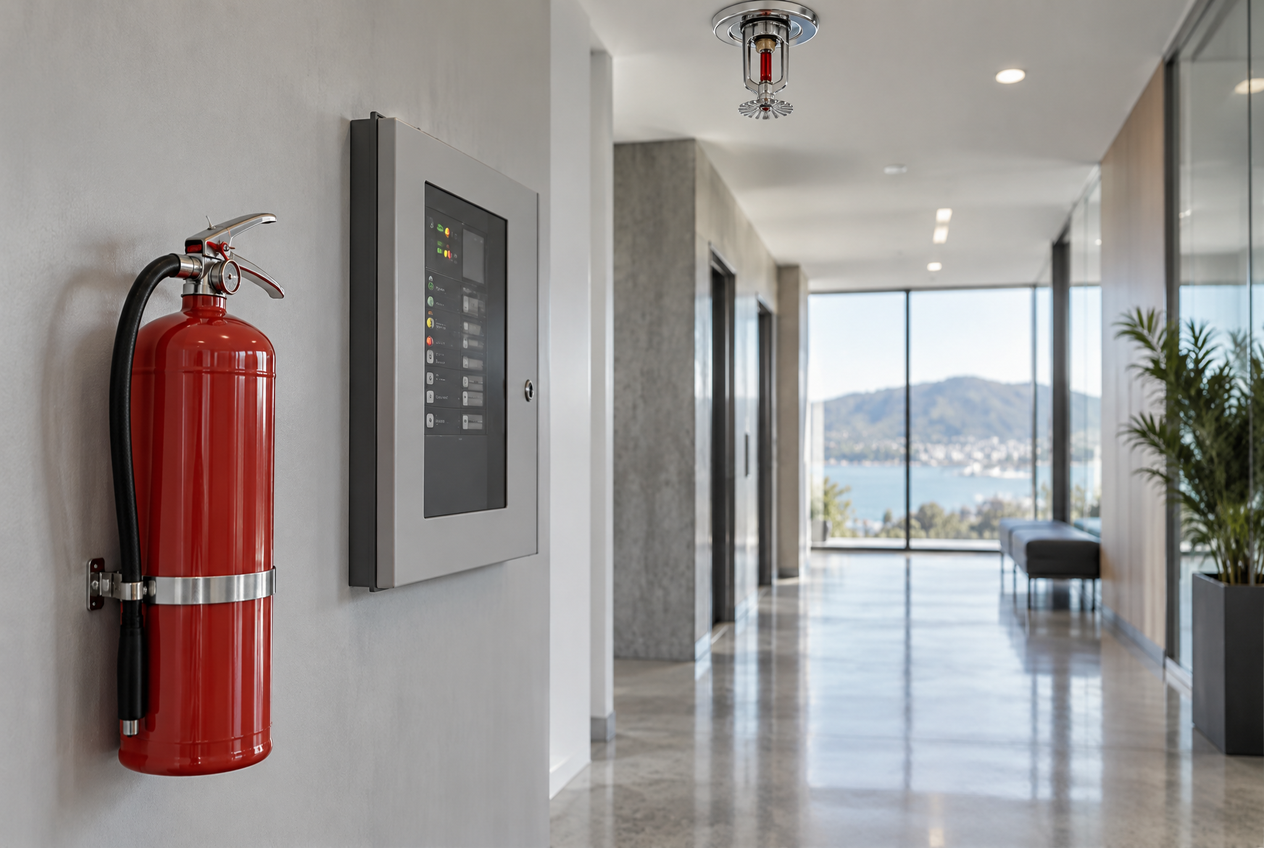
Commercial, multi-unit, and public buildings are a different matter entirely. These buildings typically have a compliance schedule listing their specified systems — things like automatic fire alarms, sprinkler systems, emergency lighting, fire doors, and smoke control. The building owner must supply an annual Building Warrant of Fitness (BWOF) to their local council, confirming all specified systems have been inspected, maintained, and are performing as required. This process is administered under the Building Act 2004, with guidance from MBIE Building Performance.
What Are the Main Cost Drivers?
1. Number and Type of Specified Systems
Each specified system on your compliance schedule must be inspected and signed off separately. A building with only emergency lighting will cost far less to maintain than one with automatic fire sprinklers, a fire alarm panel, smoke control, fire doors, and a suppression system. More systems mean more inspections, more paperwork, and higher fees.
2. Independent Qualified Person (IQP) Fees
Specified systems must be inspected by a suitably qualified person — typically an Independent Qualified Person (IQP) registered with your local council for the relevant system type. IQPs charge for their time, travel, and the preparation of the required Form 12A certificates that underpin your BWOF. Fees vary by region, system complexity, and the number of site visits required. Always get itemised quotes from at least two providers.
3. Building Size and Complexity
A small café with a basic fire alarm panel is very different from a multi-storey office block or a hospital. Larger buildings have more devices to test, more escape routes to check, and more documentation to complete. Complexity drives time, and time drives cost.
4. Maintenance and Remedial Work
Compliance isn't just about inspection — it includes maintenance and repairs. If a fire door closer is faulty, a sprinkler head is corroded, or a detector is past its service life, these must be fixed before the system can be signed off. Budgeting only for the inspection fee and ignoring likely maintenance costs is a common mistake. Costs for parts and labour on remedial work can vary significantly depending on the system and the fault.
5. System Age and Condition
Older systems may require more frequent attention, component replacement, or even partial upgrades to remain compliant with the relevant NZ Standards — for example, NZS 4512 covers fire detection and alarm systems, and NZS 4541 covers automatic fire sprinkler systems. A fire protection specialist can advise whether your system meets current requirements or whether upgrades are needed.
6. Council and Territorial Authority Fees
Your local council charges a fee to accept and process your annual BWOF. These fees differ between territorial authorities, so check directly with your council for their current schedule.
Rough Price Guidance (As a Guide Only)
The following are broad indicative ranges only — actual costs depend heavily on your specific building and location. Always get written quotes.
| Scenario | Approximate Annual Compliance Cost (Guide Only) |
|---|---|
| Rental home smoke alarm check | Low hundreds of dollars or DIY if permitted |
| Small commercial premises (1–2 specified systems) | $1,000–$4,000+ |
| Medium commercial building (3–5 specified systems) | $4,000–$15,000+ |
| Large or complex building (many systems) | $15,000–$50,000+ |
These figures are indicative only and do not include remedial repairs or system upgrades.
New Installations and Consents
If you are installing a new fire protection system — such as a sprinkler system in a new build or a fire alarm in a fitout — you will almost certainly need a building consent from your council. The NZ Building Code clause C sets out fire safety requirements for buildings. Always confirm consent requirements with your council before work begins; do not assume any work is exempt under Schedule 1 of the Building Act without checking.
When to Call a Professional
Fire protection work on specified systems is not DIY territory. You must engage a licensed fire protection specialist and, for BWOF purposes, a registered IQP. Attempting to self-certify specified systems is not permitted under the Building Act. For general fire safety advice and guidance on smoke alarms, FENZ is an excellent starting point. For compliance schedule and BWOF queries, contact your local council or visit MBIE Building Performance.
If you need a qualified fire protection specialist, you can find local professionals on tradedirectory.co.nz. Always ask for references, confirm their IQP registrations with your council, and get itemised written quotes before committing.