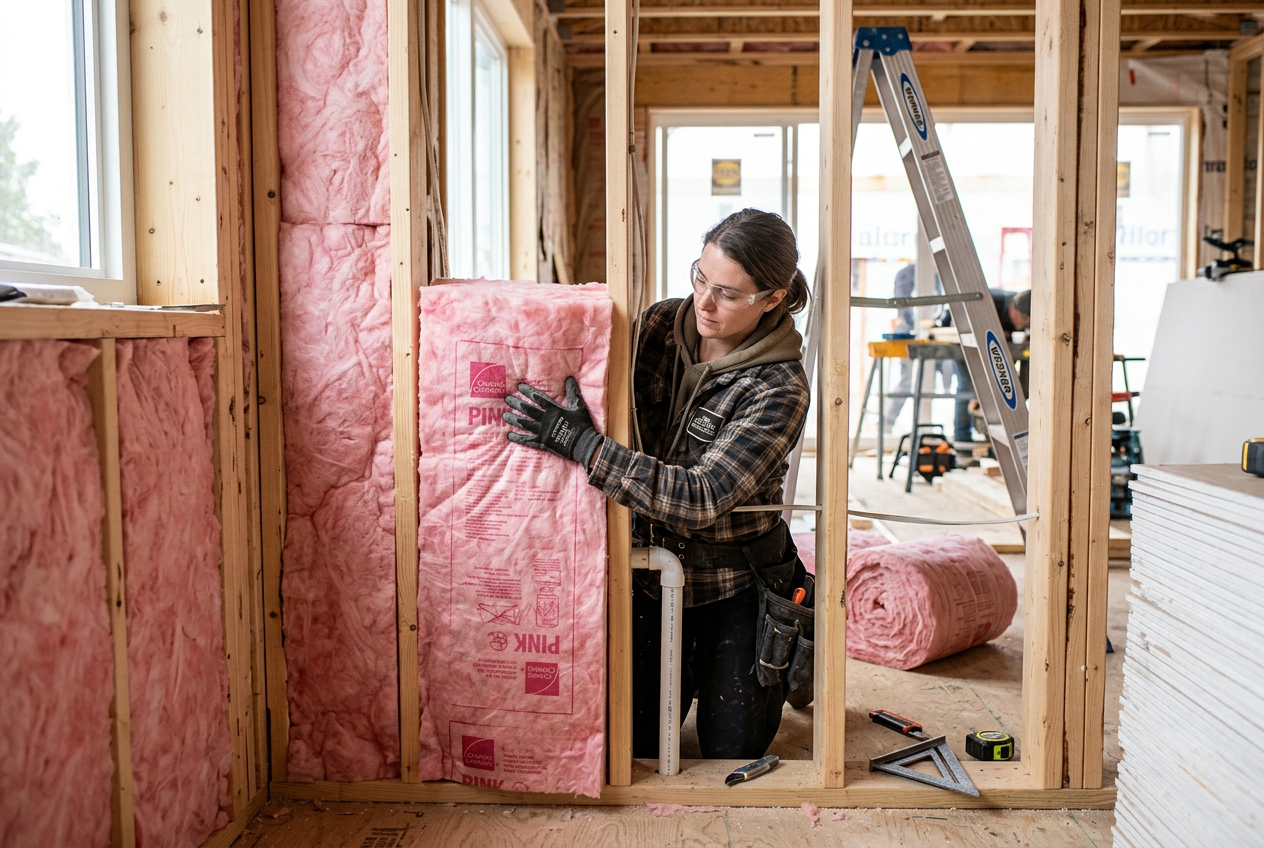
A professional insulation assessment is a thorough inspection of your home's thermal envelope — the floors, walls, and ceiling — to check what insulation is already in place, how well it's performing, and where improvements could be made. Most residential assessments take between one and two hours, depending on the size and complexity of your home. The assessor will then provide a report or verbal summary with recommendations tailored to your situation.
What Does the Assessor Actually Check?
A qualified insulation assessor will work through your home systematically. Here's what a typical assessment covers:
- Ceiling/roof space – The assessor will access your roof cavity (usually via a manhole) to measure the depth and type of existing insulation, check for gaps, compression, moisture damage, or pest activity.
- Underfloor space – They'll inspect beneath the floor (if accessible) to assess whether insulation is present, correctly installed, and in good condition. Sagging, damp, or missing batts are common issues in older NZ homes.
- Walls – Wall insulation is harder to inspect without opening linings, but an assessor may use a thermal imaging camera or probe existing gaps (like power outlets) to get an indication of what's inside.
- Ventilation and moisture – Because moisture and insulation interact closely, a good assessor will also look for signs of condensation, mould, or inadequate subfloor ventilation, which can affect insulation performance.
- R-value assessment – They'll estimate or confirm the R-value (thermal resistance) of existing insulation and compare it against current NZ Building Code requirements and the Healthy Homes Standards if the property is a rental.
Tools and Equipment Used
Professional assessors typically bring:
- A tape measure and depth gauge for ceiling insulation
- A torch and protective gear for roof and subfloor access
- A moisture meter to detect damp insulation or framing
- Sometimes a thermal imaging (infrared) camera, which can reveal cold spots and missing insulation without destructive investigation
- A notepad or tablet for recording findings and photos
How Long Does It Take?
As a general guide:
| Home size | Typical assessment time |
|---|---|
| Small (1–2 bedrooms) | 45–75 minutes |
| Medium (3 bedrooms) | 1–1.5 hours |
| Large (4+ bedrooms, complex layout) | 1.5–2.5 hours |
If the assessor is also providing a quote for installation work, allow a little extra time for them to measure up and discuss options with you.
What Happens After the Assessment?
You'll typically receive a written or verbal report covering:
- Current insulation type, condition, and R-values in each area
- Recommended upgrades and the R-values to target (these vary by NZ climate zone — check BRANZ for guidance)
- A quote for any recommended installation work
- Information on any government subsidies or funding you may be eligible for, such as the Warmer Kiwi Homes programme (check EECA Energywise for current eligibility)
NZ-Specific Considerations
New Zealand's climate varies significantly from Northland to Southland, and the NZ Building Code sets minimum R-value requirements that differ by climate zone. Homes built before the mid-2000s often fall well short of current standards.
If your property is a rental, the Healthy Homes Standards require ceiling and underfloor insulation to meet specific R-value minimums. Landlords had compliance deadlines that have now passed for most tenancies, so if you're a landlord, it's worth confirming your obligations with Tenancy Services.
For homes with wall linings, adding wall insulation retrospectively may require a building consent — always check with your local council before proceeding.
Is an Assessment Free?
Many insulation companies offer free assessments as part of their quoting process, particularly if they're also tendering for the installation work. Independent assessments (where the assessor has no financial interest in selling you insulation) may carry a fee. It's worth asking upfront. Either way, getting an assessment before committing to any work is good practice — it ensures you're not paying for insulation you don't need, or missing areas that genuinely need attention.
When to Call a Professional
While you can do a basic visual check yourself — poking your head into the roof space or looking under the floor — a professional assessment is strongly recommended if:
- You're buying or selling a home and want to understand its insulation status
- You're a landlord needing to confirm Healthy Homes compliance
- Your home feels cold or damp despite having some insulation
- You're planning a renovation and want to factor insulation upgrades into the project
- You suspect moisture damage or pest activity in your insulation
Installing or replacing insulation is generally not restricted work under NZ law, meaning homeowners can do it themselves in accessible areas. However, working in confined roof and subfloor spaces carries real physical risks, and incorrect installation can reduce performance significantly. For best results — and peace of mind — it's worth engaging a qualified insulation installer. You can find local professionals on tradedirectory.co.nz.