When hiring a bricklayer in New Zealand, understanding your rights around defects and warranties can save you significant stress and money down the track. While there is no single fixed defect liability period written into law specifically for bricklaying, a combination of consumer protection legislation, building regulations, and good contract practice means you are far from unprotected if something goes wrong after the job is done.
What Is a Defect Liability Period?
A defect liability period (DLP) is a defined window of time after practical completion of work during which the contractor is responsible for fixing any defects that appear — usually at no extra cost to you. In the construction industry, this period gives the finished work time to settle and perform under real conditions, revealing any issues that weren't obvious at handover.
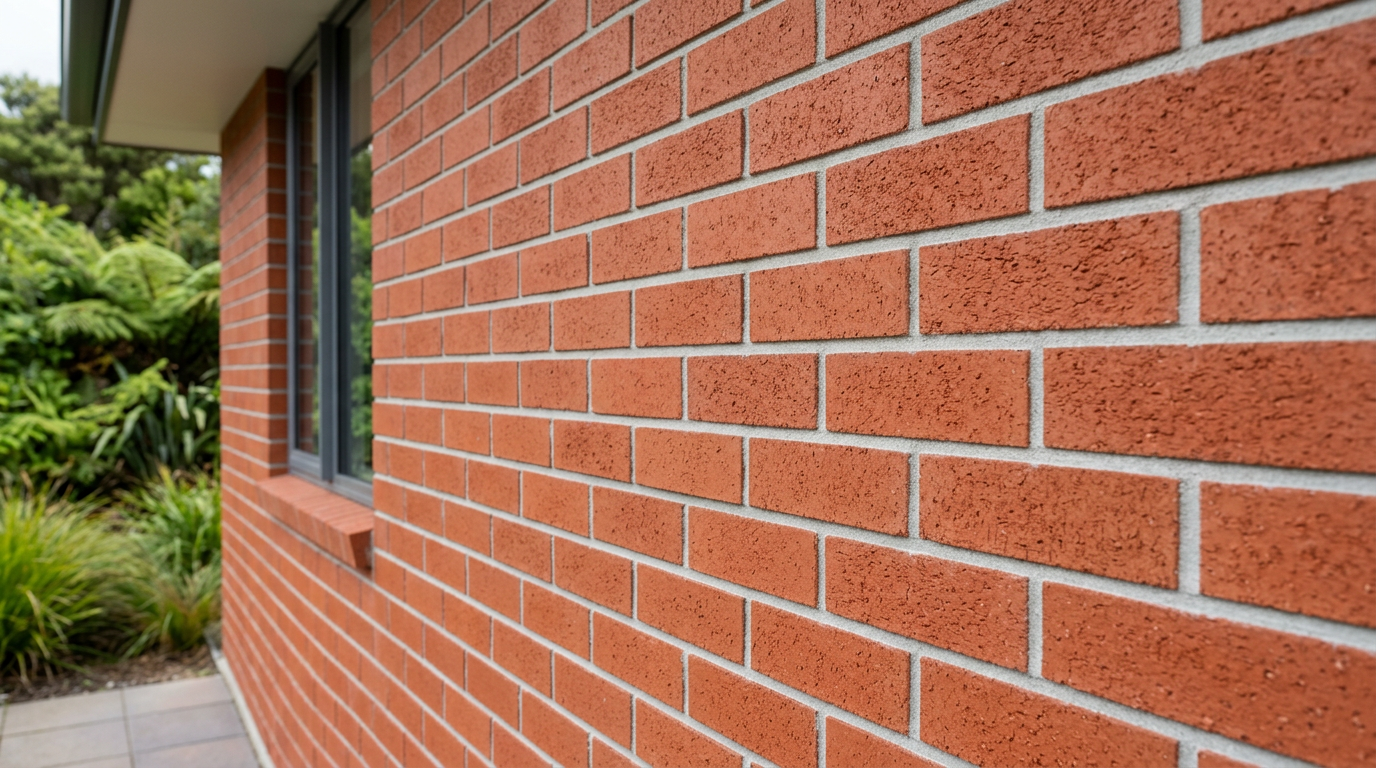
For bricklaying specifically, defects might include cracking mortar joints, spalling bricks, poor alignment, water ingress through the masonry, or inadequate ties and fixings.
What Does NZ Law Say?
There is no single statute that mandates a specific DLP for bricklayers, but several layers of NZ law work together to protect homeowners:
- Consumer Guarantees Act 1993 (CGA): If the bricklayer is a business (not a private individual), the CGA guarantees that services will be carried out with reasonable care and skill, and that the result will be fit for purpose. If the work fails to meet these standards, you are entitled to have defects remedied. Importantly, this protection applies for a reasonable period after completion — which courts have interpreted generously for structural or long-lasting work.
- Contract and Commercial Law Act 2017: Governs the terms of your agreement with the tradesperson.
- Building Act 2004: For work that requires a building consent, the council's Code Compliance Certificate (CCC) process provides an additional layer of oversight. Always check with your local council whether your bricklaying project requires consent — some structural or external envelope work will.
For work covered by a building consent, MBIE Building Performance notes that the building must comply with the NZ Building Code for its intended life, which is a strong long-term protection.
Industry Standard DLP Expectations
While there is no legally mandated minimum for residential bricklaying contracts, industry norms in NZ generally look like this:
| Type of Work | Typical DLP Offered |
|---|---|
| Minor repairs / repointing | 1 year |
| New garden walls / feature brickwork | 1–2 years |
| Structural brickwork / new builds | 1–2 years (minimum) |
| Work under a main contract (commercial) | Often 12 months from practical completion |
A reputable bricklayer should be comfortable offering at least 12 months as a written DLP for most residential work. For larger or more complex structural jobs, 2 years is not unreasonable to negotiate.
What Should Your Contract Include?
Before work begins, make sure your written contract clearly states:
- The defect liability period — start date (usually practical completion) and end date
- What counts as a defect — workmanship issues, material failures, or both
- The process for notifying defects — written notice is best
- The timeframe for the tradesperson to remedy defects — typically 20–30 working days for non-urgent issues
- Exclusions — fair exclusions might include damage caused by the homeowner or events outside the bricklayer's control
- Retention — on larger jobs, holding back a small percentage (commonly 5–10%) of the contract price until the DLP expires is standard practice and gives both parties an incentive to resolve issues promptly
Consumer NZ has useful guidance on your rights when hiring tradespeople and what to look for in a contract.
Materials and Workmanship Warranties
Separate from the DLP, the materials used in bricklaying may carry their own manufacturer warranties. Quality mortar products from suppliers such as Sika or Ardex often come with product guarantees — ask your bricklayer to pass these on to you in writing at completion.
Your bricklayer should also be working to relevant NZ standards. Masonry construction in New Zealand is guided by standards such as NZS 4210 (masonry construction) and must comply with the NZ Building Code, including Clause E2 (External Moisture) for any work affecting the building envelope. BRANZ is an excellent resource for understanding how masonry should perform in NZ conditions.
After the DLP Expires — Are You Still Protected?
Yes, potentially. Even after a contractual DLP ends, the Consumer Guarantees Act may still apply if a defect arises from work that was not carried out with reasonable care and skill. The CGA does not have a fixed expiry — what matters is whether the failure was latent (hidden) and whether it was reasonable to expect the work to last longer. For significant structural bricklaying, this could mean protection well beyond 2 years.
When to Call a Professional
Bricklaying that forms part of a structural wall, affects the weathertightness of your home, or is part of a consented project should always be carried out by an experienced, qualified bricklayer. While bricklaying is not restricted building work in the same way that electrical or plumbing work is (which must be done by licensed professionals registered with the EWRB or PGDB), structural and consent-required work may need to be carried out or supervised by a Licensed Building Practitioner (LBP). Always confirm this with your local council before starting.
If you are unsure whether a defect is serious, or if your bricklayer is not responding to your concerns, seek advice from another qualified tradesperson. You can find experienced local bricklayers on tradedirectory.co.nz.


 Licensed Building Practitioner (LBP)









