Building Warrant of Fitness (BWOF) inspections exist to make sure the fire-safety and other specified systems in commercial and public buildings are actually working when they're needed most. Year after year, inspectors across New Zealand find the same categories of failure cropping up — many of which are entirely preventable with good maintenance habits and a basic understanding of what the law requires.
What Is a BWOF and Who Does It Apply To?
A Building Warrant of Fitness (BWOF) is an annual declaration that a building owner supplies to their local council (territorial authority), confirming that all specified systems listed on the building's compliance schedule have been inspected, maintained and are performing as required. It applies to most commercial, industrial and public buildings — not to standalone private homes. Guidance on the BWOF process is available from MBIE Building Performance.
The inspections themselves must be carried out by an Independent Qualified Person (IQP) — someone registered with the local council for the specific specified systems they are certifying. Building owners cannot sign off their own systems.
The Most Common Failures Inspectors Find
1. Fire Doors That Are Propped Open or Damaged
Fire doors are one of the most frequently cited failures. Common problems include:
- Doors wedged or propped open with doorstops, furniture or fire extinguishers
- Damaged or missing intumescent seals and smoke seals around the door frame
- Self-closing mechanisms that are broken, disconnected or adjusted so the door won't latch
- Gaps around the door leaf that exceed acceptable tolerances
Fire doors must be able to close and latch automatically. Propping them open defeats their entire purpose — they are designed to contain fire and smoke and protect escape routes. Under the NZ Building Code, clause C covers protection from fire, and maintaining clear, functional escape routes is a legal obligation.
2. Blocked or Obstructed Escape Routes
Means of escape must be kept clear at all times. Inspectors regularly find corridors, stairwells and exit doors blocked by stored goods, furniture, rubbish bins or delivery pallets. Exit doors that have been locked or fitted with additional hardware that makes them hard to open quickly are also a common issue.
3. Fire Alarm System Faults
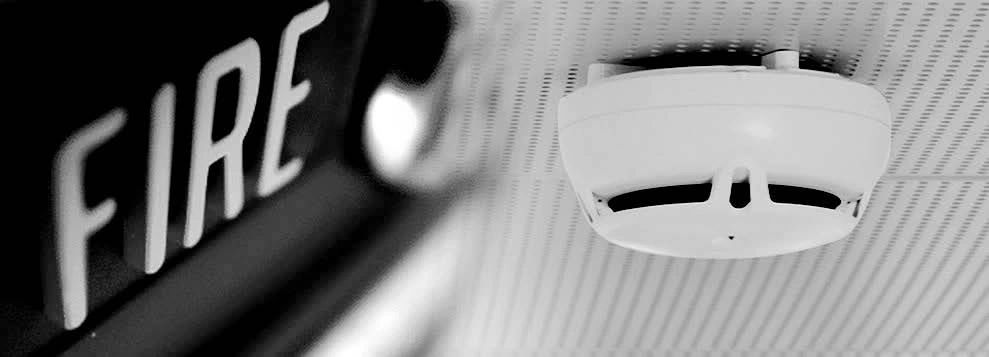
Automatic fire alarm systems (a specified system under most compliance schedules) must be inspected and maintained to the relevant NZ Standard — NZS 4512 covers fire detection and alarm systems. Common failures include:
- Detectors that have been painted over, covered or removed during building works and never reinstated
- Faulty or flat backup batteries in the control panel
- Detectors in areas that have been reconfigured without updating the system design
- Alarm sounders that are too quiet due to additional partitioning installed after the system was designed
- Log books and service records that are incomplete or missing
4. Sprinkler System Deficiencies
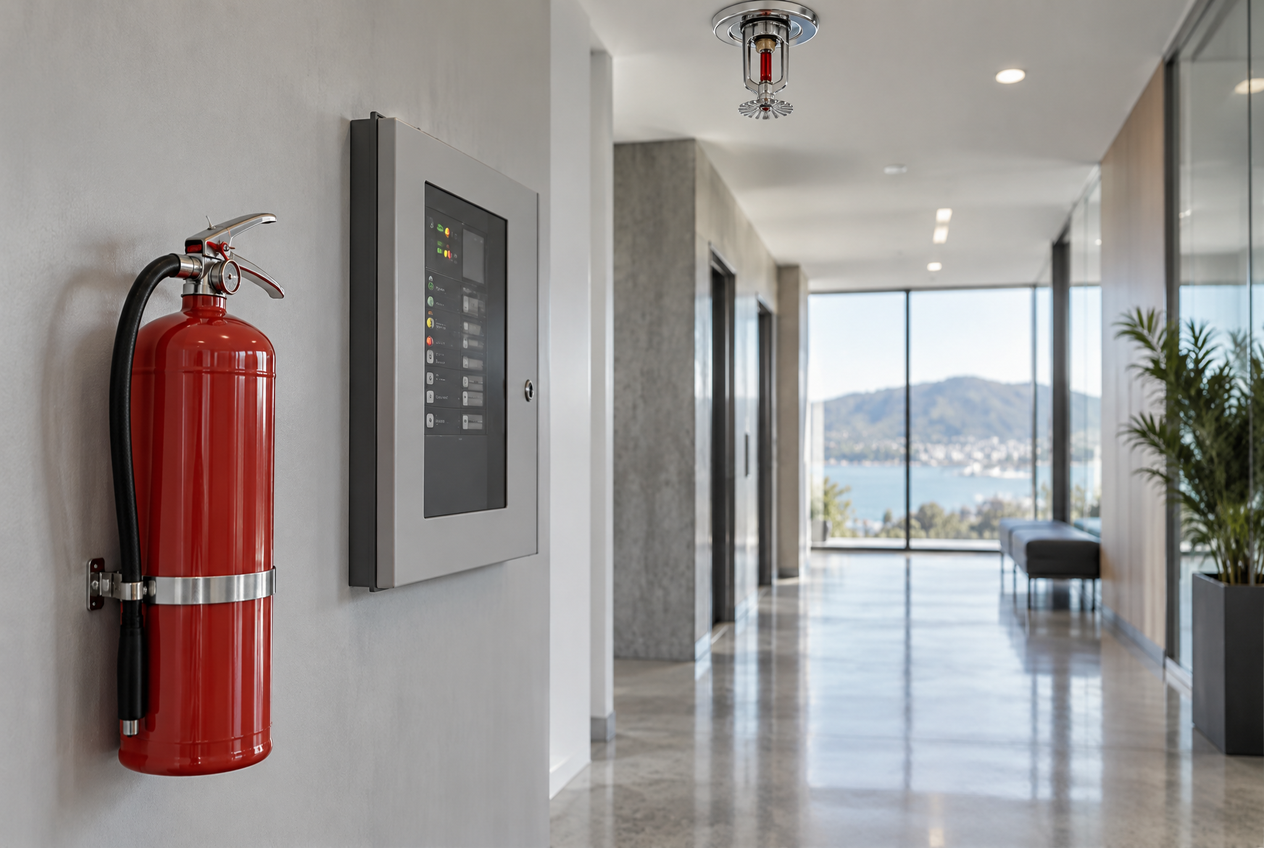
Where buildings have automatic fire sprinkler systems (governed by NZS 4541), inspectors commonly find:
- Sprinkler heads that have been painted, damaged or obstructed by new shelving or ceiling tiles
- Isolation valves left in the closed position after maintenance and not reopened
- Inadequate water pressure or flow due to changes in the building's water supply
- Missing or expired sprinkler head spares in the on-site cabinet
A sprinkler system that can't discharge water is no sprinkler system at all.
5. Emergency Lighting Failures
Emergency lighting must illuminate escape routes if the normal power supply fails. Failures include flat or failed backup batteries, globes or LEDs that have blown and not been replaced, and luminaires that have been removed or repositioned during fit-outs without being reinstated correctly.
6. Signage Problems
Escape route signs and exit signs (related to Building Code clause F8) must be visible and illuminated where required. Inspectors find signs obscured by new partitions, signs with failed illumination, and in some cases signs that have simply been removed.
7. Hand-Operated Firefighting Equipment Out of Date
Fire extinguishers must be serviced at the intervals required by NZS 4503 (hand-operated firefighting equipment). Common failures include extinguishers that are overdue for their annual service or six-yearly overhaul, have damaged or missing safety pins, or are stored in locations that have changed since the original layout was planned. Check with a licensed fire protection specialist for current service interval requirements.
8. Incomplete or Missing Documentation
Even when the physical systems are in reasonable order, inspectors often find that log books, IQP certificates (form 12A) and service records are incomplete, out of date or simply can't be located. Without proper documentation, a building owner cannot supply a valid BWOF to the council.
Why Do These Failures Keep Happening?
The most common underlying causes are:
- Building alterations carried out without considering the impact on fire systems
- Staff or tenants not understanding why fire doors and escape routes must stay clear
- Deferred maintenance — small faults left unaddressed until inspection time
- Poor handover when a building changes ownership or management
When to Call a Professional
If you own or manage a building that requires a BWOF, you should engage a licensed fire protection specialist and a registered IQP well before your annual BWOF due date — not the week before. A pre-inspection check by your fire protection contractor can identify and fix issues before the formal IQP inspection, saving time and potential enforcement action by the council.
For general fire-safety guidance and advice on smoke alarms in residential properties, Fire and Emergency New Zealand (FENZ) is the place to start. For rental properties, smoke alarm requirements under the Residential Tenancies Act are outlined at Tenancy Services.
You can find qualified local fire protection specialists on tradedirectory.co.nz.