Fire alarm systems range from a single battery-powered smoke alarm on your hallway ceiling to a sophisticated networked detection system covering an entire commercial building. Choosing the right system depends on your building type, size, occupancy, and what the New Zealand Building Code requires. Here's a plain-English breakdown to help you understand your options and make an informed decision.
The Basics: What Does a Fire Alarm System Do?
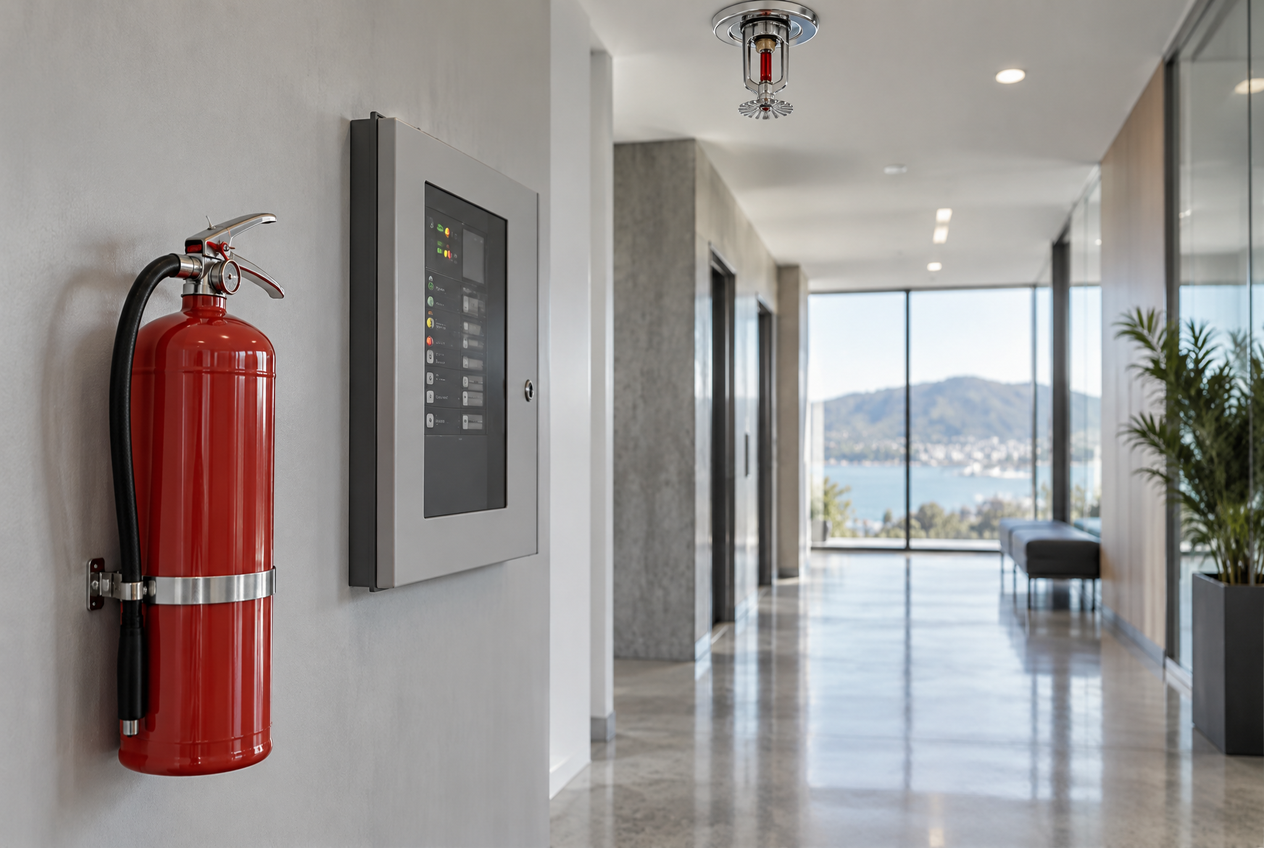
At its core, a fire alarm system detects signs of fire — smoke, heat, or flames — and alerts occupants so they can evacuate safely. More advanced systems can also notify a monitoring centre, trigger sprinklers, control smoke doors, and interface with emergency services. The level of sophistication you need depends largely on whether your building is residential or commercial, and how many people occupy it.
Types of Fire Alarm Systems
1. Standalone Smoke and Heat Alarms
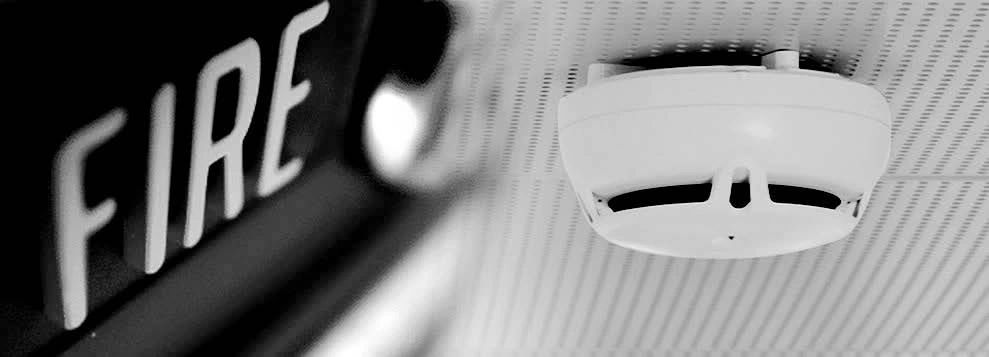
These are the most common devices found in New Zealand homes. They operate independently — each unit detects and sounds its own alarm without connecting to other devices.
- Photoelectric alarms detect slow, smouldering fires by sensing smoke particles. Fire and Emergency New Zealand (FENZ) recommends photoelectric alarms for homes because most fatal house fires involve smouldering smoke.
- Ionisation alarms respond faster to fast-flaming fires but are less effective for smouldering fires. They are generally not recommended as the primary alarm type for homes.
- Heat alarms are suited to kitchens or garages where cooking fumes or dust might cause nuisance trips on a smoke alarm.
- Interconnected alarms (wireless or hardwired) link multiple units so that when one triggers, all sound simultaneously — a significant safety improvement in larger homes.
For rental properties, the Residential Tenancies Act requires working smoke alarms. Long-life photoelectric alarms (or hardwired alarms) are required, generally positioned within 3 metres of each bedroom door and on each level. Check Tenancy Services for the current requirements, as rules are updated periodically.
2. Conventional Fire Alarm Systems
Conventional systems divide a building into zones, with detectors and call points (break-glass units) wired back to a central control panel. When a device activates, the panel indicates which zone is affected — but not the exact device. These systems suit smaller commercial buildings such as small offices, retail shops, or light industrial premises.
Pros: Relatively straightforward and cost-effective for smaller buildings. Cons: Pinpointing the exact location of a fire requires physically checking the zone.
3. Addressable (Intelligent) Fire Alarm Systems
Addressable systems give each detector and call point a unique electronic address. When any device activates, the control panel identifies the precise location — down to the individual device. This is the standard for most medium-to-large commercial buildings in New Zealand.
Pros: Fast, precise fault and alarm location; easier maintenance; scalable. Cons: Higher upfront cost than conventional systems.
4. Wireless Fire Alarm Systems
Wireless systems use radio frequency communication between devices and the control panel, eliminating the need to run cables through walls. They are useful in heritage buildings, temporary structures, or where cabling is impractical.
5. Aspirating Smoke Detection (ASD) Systems
ASD systems actively draw air through a network of pipes to a highly sensitive detector. They can identify smoke at very low concentrations — well before a standard detector would trigger. These are typically used in data centres, museums, clean rooms, or anywhere early warning is critical.
6. Monitored (Alarm Monitoring) Systems
Any of the above system types can be connected to a 24/7 monitoring centre. If an alarm activates, the monitoring centre contacts the building owner and, where appropriate, alerts emergency services. Monitored systems are strongly recommended for commercial premises and are often required by insurers.
Comparing System Types at a Glance
| System Type | Best Suited To | Approximate Complexity | Monitoring Option |
|---|---|---|---|
| Standalone alarms | Homes, small rentals | Low | No |
| Interconnected alarms | Larger homes, multi-level | Low–Medium | No |
| Conventional | Small commercial | Medium | Yes |
| Addressable | Medium–large commercial | Medium–High | Yes |
| Wireless | Heritage/temporary buildings | Medium | Yes |
| Aspirating (ASD) | High-risk/sensitive areas | High | Yes |
NZ Building Code and Compliance Considerations
New Zealand Building Code Clause C covers protection from fire, and the required level of fire detection depends on your building's use, size, and occupancy. For most commercial and public buildings, fire alarm systems are specified systems listed on the building's compliance schedule. These must be regularly inspected and maintained by a suitably qualified person — typically an Independent Qualified Person (IQP) registered with your local council.
Building owners of commercial premises must supply an annual Building Warrant of Fitness (BWOF) to their council, confirming specified systems are performing as required. This is not a DIY process — IQPs sign the relevant certification. Contact your local council or visit MBIE Building Performance for guidance on compliance schedules and specified systems.
Fire alarm systems for commercial buildings must generally be designed and installed to the relevant NZ Standard for fire detection and alarm systems. Confirm the applicable standard with a licensed fire protection specialist or Standards NZ.
Which System Suits Your Building?
- Private home: Interconnected long-life photoelectric smoke alarms on every level and near bedrooms. Hardwired alarms are ideal for new builds.
- Rental property: Must meet Residential Tenancies Act requirements — check Tenancy Services for current rules.
- Small office or retail shop: A conventional or addressable system, likely with monitoring.
- Medium-to-large commercial building: An addressable system designed by a fire protection engineer and maintained by an IQP.
- Sensitive or high-value areas: Consider aspirating smoke detection.
Always confirm requirements with your local council and a qualified fire protection specialist before purchasing or installing any commercial system.
When to Call a Professional
For anything beyond replacing a battery or swapping a like-for-like domestic smoke alarm, you should engage a licensed fire protection specialist. Design, installation, commissioning, and ongoing maintenance of commercial fire alarm systems is specialist work — getting it wrong can have serious legal and safety consequences. A registered IQP must certify specified systems. You can find qualified fire protection specialists in your area on tradedirectory.co.nz.
Sources & Further Reading
- Fire and Emergency New Zealand (FENZ) — fire safety guidance
- MBIE Building Performance — Building Warrant of Fitness and compliance schedules
- Tenancy Services — smoke alarm requirements for rental properties
- Standards NZ — NZ Standards for fire systems
- BRANZ — building research and technical guidance
- Licensed Building Practitioners — find licensed tradespeople