As a landlord in New Zealand, you have clear legal obligations around fire safety in your rental property — and getting them right protects both your tenants and yourself. The rules sit primarily under the Residential Tenancies Act 1986 (as amended) and the Healthy Homes Standards, with practical guidance from Fire and Emergency New Zealand (FENZ) and Tenancy Services.
What the Law Requires
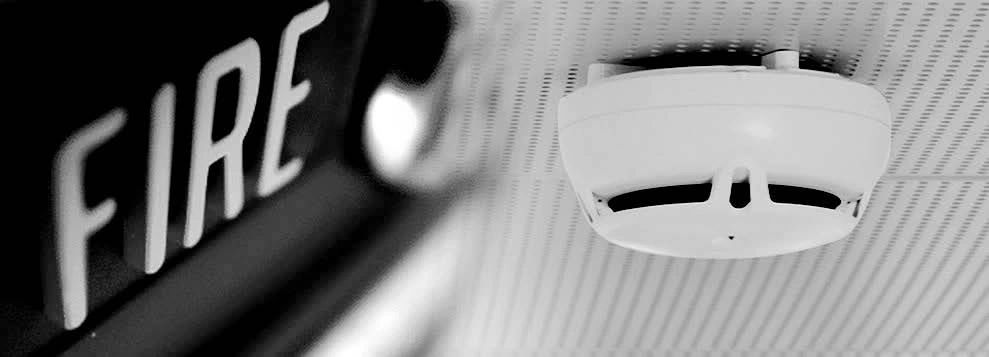
Under the Residential Tenancies Act, landlords must ensure rental properties have working smoke alarms that comply with the regulations. The key requirements are:
- Photoelectric smoke alarms are required (not ionisation-type alarms). Photoelectric alarms respond more reliably to slow, smouldering fires — the most common type in homes.
- Alarms must be long-life (sealed battery) or hard-wired. Long-life alarms have a battery designed to last the life of the alarm (typically around 10 years), reducing the risk of tenants removing batteries.
- At least one alarm must be within 3 metres of each bedroom door, measured along the ceiling or wall.
- Alarms must also be installed in any sleeping area that is not a bedroom (e.g. a sleep-out).
- Multi-storey homes must have an alarm on each level.
Always check Tenancy Services for the current, up-to-date requirements, as the rules have been updated in recent years and may change again.
Landlord Responsibilities at the Start and During a Tenancy
| Obligation | Who is responsible |
|---|---|
| Install compliant smoke alarms before tenancy begins | Landlord |
| Test alarms and confirm they work at the start of tenancy | Landlord |
| Replace alarms that have reached end of life | Landlord |
| Replace alarms damaged by the tenant (fair wear and tear aside) | Tenant |
| Not remove or interfere with alarms | Both parties |
| Report a faulty alarm promptly | Tenant |
Landlords must not rent out a property without the required alarms in place. Failure to comply can result in a financial penalty — Tenancy Services can issue infringement notices, and the Tenancy Tribunal can award exemplary damages.
Healthy Homes Standards and Fire Safety
The Healthy Homes Standards set minimum requirements for heating, insulation, ventilation, moisture ingress, and draught stopping in rental properties. While smoke alarms are covered separately under the Residential Tenancies Act regulations, the Healthy Homes Standards are part of the broader legal framework landlords must comply with. Deadlines for compliance have applied in stages depending on your tenancy type — check Tenancy Services for the current compliance dates that apply to your situation.
Recommended Alarm Placement
FENZ recommends going beyond the legal minimum where possible:
- Install alarms in living areas and hallways as well as near bedrooms.
- In open-plan homes, position alarms to cover sleeping areas effectively.
- Consider interconnected alarms so that when one sounds, they all sound — giving everyone in the home maximum warning time.
For specific product guidance, major hardware retailers such as Bunnings and Mitre 10 stock a range of compliant photoelectric alarms.
What About Commercial or Multi-Unit Rental Buildings?
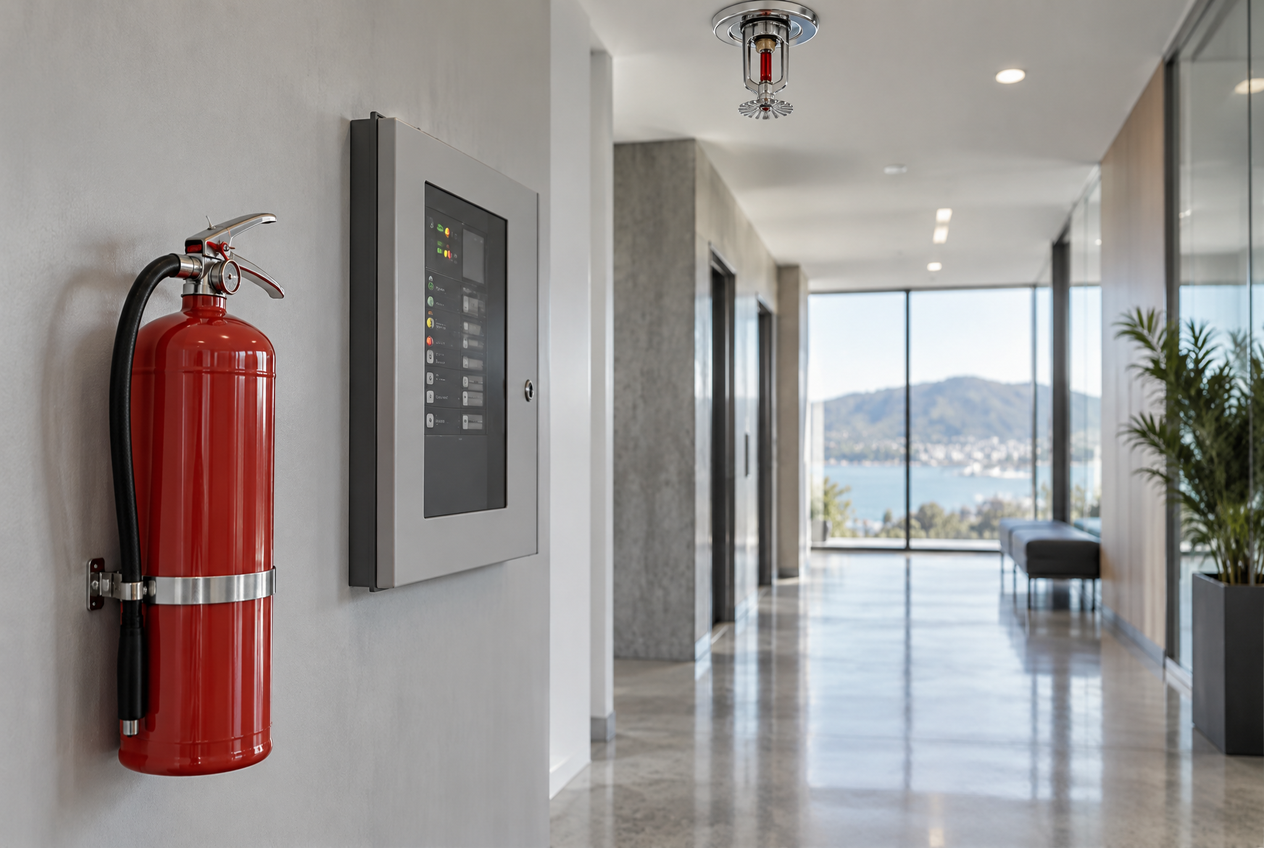
If you own a commercial building or a larger multi-unit residential building (such as an apartment block), the obligations are significantly more complex. These buildings typically require a compliance schedule and an annual Building Warrant of Fitness (BWOF), which the building owner must supply to the local council each year. This confirms that specified systems — which can include automatic fire alarms, sprinkler systems, emergency lighting, fire doors, and means of escape — have been inspected and maintained by a suitably qualified person.
Specified systems must be inspected by an Independent Qualified Person (IQP) registered with your local council. You cannot sign off your own specified systems. Contact your territorial authority (local council) and refer to MBIE Building Performance for guidance on compliance schedules and BWOFs.
Fire Doors and Escape Routes
In properties that have fire doors (common in multi-unit buildings), landlords must ensure:
- Fire doors are never wedged or propped open — this is a serious safety and legal issue.
- Escape routes are kept clear and unobstructed at all times.
- Tenants are informed of escape routes and any fire-safety features in the property.
Building Code Clause C covers protection from fire, and escape route requirements are also addressed in the Building Code. A fire protection specialist or your local council can advise on what applies to your specific building.
When to Call a Professional
For straightforward residential rentals, a competent landlord can install and test standard photoelectric smoke alarms. However, you should engage a qualified fire protection specialist if:
- Your property has or requires a hard-wired alarm system (electrical work must be done by a registered electrician — see EWRB for licensing requirements).
- You own a multi-unit or commercial building with a compliance schedule and specified systems.
- You are unsure whether your building requires a BWOF or IQP inspections.
- You are installing or maintaining fire sprinkler systems, fire suppression equipment, or emergency lighting.
- You want a professional audit of your property's overall fire safety.
A licensed fire protection specialist will be familiar with the relevant NZ Standards (including those covering fire detection and alarm systems and hand-operated firefighting equipment) and can ensure your property meets all legal requirements. You can find qualified local fire protection specialists on tradedirectory.co.nz.