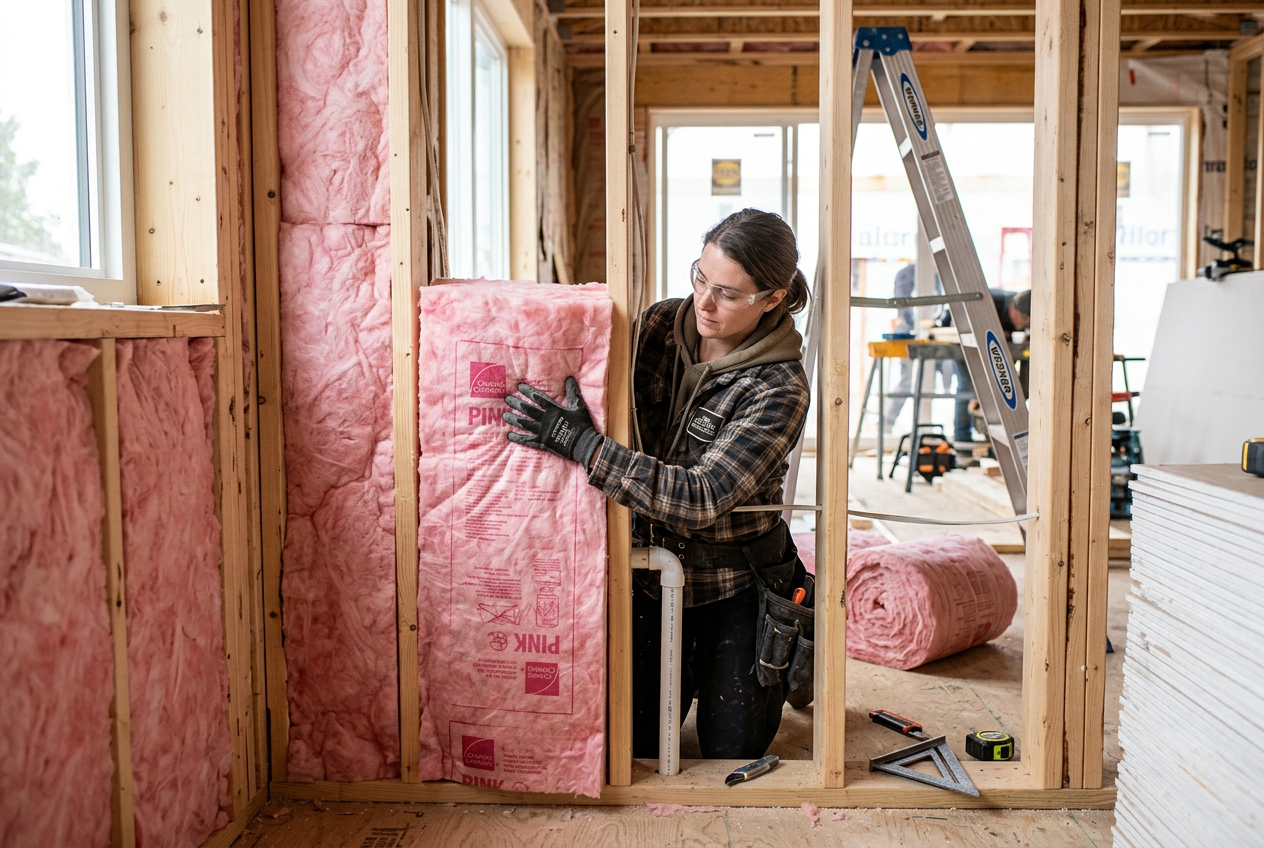
Hiring the right insulation company in New Zealand means more than just getting the cheapest quote. Checking a company's accreditations and memberships before you sign anything can save you from poor workmanship, compliance headaches, and wasted money. Here's what to look for.
The Insulation Association of New Zealand (IAONZ)
The most important industry body to look for is membership of the Insulation Association of New Zealand (IAONZ). Member companies agree to a code of practice covering installation quality, product standards, and professional conduct. While IAONZ membership is not a legal requirement, it's a strong signal that a company takes its trade seriously and keeps up with industry developments. Ask any prospective installer whether they are a current IAONZ member and don't be shy about verifying it.
Licensed Building Practitioners (LBP)
Some insulation work — particularly when it is part of a broader building project or involves restricted building work — may need to be carried out or supervised by a Licensed Building Practitioner (LBP). The Licensed Building Practitioners scheme is administered by MBIE and ensures tradespeople meet a defined competency standard. If your insulation job is connected to a new build, a renovation requiring building consent, or work on the building envelope, ask whether the installer holds or works under an LBP licence.
Compliance with the NZ Building Code
All insulation installed in New Zealand must meet the requirements of the NZ Building Code, in particular:
- Clause H1 (Energy Efficiency) — sets minimum R-values (thermal resistance) for ceilings, walls, underfloor, and glazing depending on your climate zone. New Zealand has six climate zones, so the required R-value in Auckland differs from that in Queenstown.
- Clause E3 (Internal Moisture) — relevant where insulation affects moisture management inside walls and ceilings.
A reputable installer should be able to tell you exactly which R-values apply to your home's climate zone and confirm that the products they're installing meet those minimums. You can check the current requirements at MBIE Building Performance.
Healthy Homes Standards Knowledge
If you're a landlord, your rental property must comply with the Healthy Homes Standards, which include specific insulation requirements for ceiling and underfloor insulation. A good insulation company working in the rental sector should be thoroughly familiar with these standards. Tenancy Services publishes the current requirements, and a compliant installer should be able to provide you with a signed statement of compliance after the work is done.
Electrical and Other Restricted Work
Insulation installers sometimes work near electrical wiring, particularly in ceiling spaces. It's important to understand that any work on electrical wiring is restricted work and must only be carried out by a registered electrician under the Electrical Workers Registration Board (EWRB). A good insulation company will know to work safely around wiring and will not interfere with it. If recessed lighting (downlights) is present, ask how they manage the required clearances — this is a common fire risk if handled incorrectly.
Product and Installation Standards
Look for companies that install products tested to recognised standards, such as the relevant NZ Standards for thermal insulation (check with the manufacturer or BRANZ for the applicable standard) (thermal insulation) or products that carry third-party testing certification. Reputable brands available in New Zealand include products from suppliers stocked at Bunnings, Mitre 10, and PlaceMakers, though professional installers typically source commercial-grade product directly. Ask for the product data sheet and confirm the stated R-value matches what will be installed.
What to Ask Before You Hire
Here's a quick checklist of questions to put to any insulation company:
| Question | Why It Matters |
|---|---|
| Are you an IAONZ member? | Industry accountability and code of practice |
| Do you hold or work under an LBP licence? | Required for some consent-related work |
| What R-values will you install, and do they meet H1? | Legal compliance and energy performance |
| Can you provide a compliance certificate or statement? | Essential for landlords under Healthy Homes |
| Are your installers trained and supervised? | Quality assurance on the job |
| Do you carry public liability insurance? | Protects you if something goes wrong |
| What warranties apply to materials and workmanship? | Peace of mind after the job is done |
Building Consent — Do You Need One?
Most straightforward insulation top-ups or replacements fall under Schedule 1 exemptions of the Building Act and do not require a building consent. However, this depends on the scope of work and your specific situation. Always confirm with your local council before starting work, particularly if insulation is being installed as part of a larger renovation or new build.
For further guidance, BRANZ publishes excellent technical resources on insulation installation best practice that both homeowners and tradespeople can reference.
When to Call a Professional
Insulation installation may look straightforward, but working in confined ceiling and underfloor spaces carries real risks — from falls and respiratory hazards (some older insulation contains fibres requiring respiratory protection) to the electrical dangers mentioned above. WorkSafe NZ provides guidance on working safely in these environments. For anything beyond a very minor top-up, hiring a qualified professional is strongly recommended.
You can find accredited, local insulation installers on tradedirectory.co.nz — look for companies that clearly list their memberships and qualifications in their profile.